June 2, 2026

Month: September 2025

Cryptocurrency business kya hai? It’s a question that intrigues many, especially as digital currencies become a dominant force in global finance. This field combines innovative technology with complex market dynamics, presenting unique opportunities and challenges for entrepreneurs and investors alike.

At its core, the cryptocurrency business encompasses various aspects, from understanding the technology behind it, like blockchain, to exploring different business models such as exchanges and Initial Coin Offerings (ICOs). The evolving regulatory landscape and investment opportunities further shape this sector, making it a compelling area for exploration.

Understanding Cryptocurrency

Cryptocurrency Faucet Bitcoin Free Frame Transparent HQ PNG Download ...

Cryptocurrency has revolutionized the way we perceive money in the digital age. It represents a decentralized form of currency that exists entirely online, free from traditional banking systems. At its core, cryptocurrency employs cryptographic techniques to secure transactions and control the creation of new units, which makes it distinct from conventional currencies.The market is filled with various types of cryptocurrencies, each serving different purposes and functionalities.

Popular currencies like Bitcoin and Ethereum have paved the way for thousands of alternatives, ranging from stablecoins that peg their value to traditional currencies, to utility tokens that power specific applications within their ecosystems. The diversity in cryptocurrencies allows for a wide range of investment and use-case opportunities.

Blockchain Technology

Blockchain technology is the backbone of the cryptocurrency ecosystem, providing a transparent and immutable ledger for transactions. Each block in the chain contains a number of transactions, and once a block is filled, it is added to the chain in a way that is verifiable and secure. This technology enhances trust, as it eliminates the need for intermediary institutions and reduces the risk of fraud.

Cryptocurrency Business Models

The cryptocurrency market has fostered various innovative business models that are reshaping industries. Several companies are leveraging these models to create sustainable revenue streams in a highly volatile environment.

Cryptocurrency Exchanges

Cryptocurrency exchanges are platforms that facilitate the buying, selling, and trading of cryptocurrencies. These platforms generate revenue through trading fees, withdrawal fees, and listing fees charged to projects seeking to have their tokens listed. Some exchanges also offer services like margin trading and staking, creating additional layers of income.

Initial Coin Offerings (ICOs)

ICOs serve as a fundraising mechanism for new cryptocurrency projects, allowing developers to raise capital by selling tokens directly to investors. This model has gained popularity due to its accessibility and the potential for high returns. However, it also requires thorough due diligence from investors due to the inherent risks involved.

Regulatory Landscape

The regulatory environment surrounding cryptocurrency is complex and dynamic, varying significantly across different jurisdictions. This creates both opportunities and challenges for businesses operating in this space.

Global Regulatory Challenges

Cryptocurrency businesses face a myriad of regulatory challenges, including compliance with anti-money laundering (AML) and know your customer (KYC) regulations. In many countries, the lack of clear guidelines can hinder the establishment and growth of crypto enterprises. Moreover, the evolving legal landscape means that businesses must stay informed and agile to adapt to changes.

Compliance Requirements

Starting a cryptocurrency business often entails navigating a labyrinth of compliance requirements. For example, in the United States, businesses must register with the Financial Crimes Enforcement Network (FinCEN) and may need to comply with state-specific regulations. In contrast, countries like Malta have created favorable environments with clear frameworks for crypto businesses, attracting a surge of new ventures.

Investment Opportunities

Investing in cryptocurrencies can be both exciting and daunting due to the market’s inherent volatility. Understanding the landscape is crucial for making informed investment decisions.

Safe and Effective Investment Guide

IMF Warns about Cryptocurrency - Economy news - Tasnim News Agency

Investing in cryptocurrencies requires careful planning and strategy. Here are some key considerations:

  • Start by educating yourself about the basics of cryptocurrency and the specific coins you are interested in.
  • Consider your risk tolerance and only invest what you can afford to lose.
  • Diversify your portfolio to mitigate risks associated with individual assets.
  • Utilize secure wallets for storing your digital assets to protect against hacks.

Risks and Rewards

The cryptocurrency market is known for its potential high rewards but equally high risks. Price volatility can lead to significant gains or losses within short time frames. Investors must weigh these factors carefully, taking into account their financial goals and risk appetite.

Importance of Market Research

Conducting thorough market research and analysis is essential before making investments. This includes studying market trends, understanding the technology behind cryptocurrencies, and evaluating the team behind projects. Reliable sources of information and community feedback can also provide valuable insights into the potential success of a cryptocurrency.

Technological Innovations

Technological advancements are a driving force behind the growth of the cryptocurrency industry, pushing the boundaries of what is possible within financial systems.

Decentralized Finance (DeFi)

Decentralized finance, commonly known as DeFi, has emerged as a significant innovation impacting traditional financial systems. By utilizing smart contracts on blockchain platforms, DeFi applications offer users services such as lending, borrowing, and earning interest without middlemen typically associated with banks.

Innovative Blockchain Projects

Various innovative blockchain projects are showcasing the technology’s potential. For instance, supply chain management solutions leverage blockchain to enhance transparency and traceability. Other projects are focused on digital identity verification, enabling individuals to control their personal data securely.

Marketing Strategies for Cryptocurrency Businesses

Marketing plays a crucial role in the success of cryptocurrency businesses, especially in a crowded market. Implementing targeted strategies can help startups stand out and attract users.

Effective Marketing Strategies

Successful marketing strategies for cryptocurrency startups include:

  • Utilizing social media platforms to build a community and engage with potential users.
  • Creating informative content that educates users about your product and the cryptocurrency ecosystem.
  • Partnering with influencers and industry leaders to increase visibility and credibility.

Promotion Channels and Platforms

Identifying the right channels for promotion is vital. Platforms like Twitter, Telegram, and Reddit are popular within the crypto community, making them effective for targeting potential users. Additionally, participating in industry conferences and webinars can help establish authority and connect with a broader audience.

Security Best Practices

With the increase in cryptocurrency transactions, security has become paramount. Implementing best practices can help safeguard digital assets from cyber threats.

Importance of Security

Security in cryptocurrency transactions is critical to prevent losses from hacks and fraud. Users must remain vigilant and adopt comprehensive security measures to protect their investments.

Best Practices for Safeguarding Assets

To ensure the safety of digital assets, businesses and individuals should consider the following best practices:

  • Use hardware wallets for long-term storage of cryptocurrencies.
  • Implement two-factor authentication (2FA) for all accounts related to cryptocurrencies.
  • Regularly update software and security protocols to mitigate vulnerabilities.

Future Trends

The cryptocurrency market is continuously evolving, and several emerging trends are expected to shape its future.

Emerging Trends

Some key trends to watch include:

  • The increasing participation of institutional investors, which could lead to greater market stability and legitimacy.
  • The rise of central bank digital currencies (CBDCs) as governments explore digital alternatives to traditional money.
  • Innovations in interoperability between different blockchain networks to enhance usability and functionality.

Challenges Ahead

Despite its promising future, the cryptocurrency market may face challenges such as regulatory hurdles, technological barriers, and market volatility. Addressing these challenges will be crucial for the sustained growth of the cryptocurrency ecosystem.

Closure

In summary, the cryptocurrency business is a multifaceted domain that blends technology, finance, and regulatory considerations. As we look towards the future, staying informed about trends and best practices in this space will be essential for anyone looking to engage in the industry.

Common Queries

What is cryptocurrency?

Cryptocurrency is a digital or virtual currency that uses cryptography for security and operates on a technology called blockchain.

How do I start a cryptocurrency business?

To start a cryptocurrency business, you need to understand the market, comply with regulations, and choose a suitable business model, such as an exchange or ICO.

What are the risks of investing in cryptocurrencies?

Risks include high volatility, regulatory uncertainties, and security threats, making thorough research essential before investing.

How can I secure my cryptocurrency assets?

Secure your assets by using hardware wallets, enabling two-factor authentication, and following best security practices for online transactions.

What is DeFi and its significance?

Decentralized Finance (DeFi) refers to financial services built on blockchain technology, allowing users to engage in activities like lending and trading without traditional intermediaries.

Crypto exchange companies are the bustling heart of the cryptocurrency ecosystem, bridging the gap between traditional finance and the digital asset world. They enable users to buy, sell, and trade various cryptocurrencies, facilitating seamless transactions and fostering market liquidity.

With a range of platforms available, from centralized exchanges offering robust security and user support to decentralized options promoting greater privacy and control, crypto exchanges cater to diverse user needs. Understanding their significance is vital for anyone looking to engage in the ever-evolving landscape of digital currencies.

Overview of Crypto Exchange Companies

Crypto exchange companies serve as platforms that facilitate the trading of cryptocurrencies for other digital currency or traditional currency. They play a critical role in the cryptocurrency ecosystem by providing users with a means to buy, sell, and exchange cryptocurrencies like Bitcoin, Ethereum, and others in a secure environment.There are several types of crypto exchanges available in the market, each catering to different user needs and preferences.

These include centralized exchanges (CEXs), decentralized exchanges (DEXs), and peer-to-peer exchanges (P2P). Crypto exchanges are essential for maintaining liquidity in the market, enabling price discovery, and offering trading opportunities for both retail and institutional investors.

Types of Crypto Exchanges

Centralized exchanges are managed by a single organization that acts as an intermediary, while decentralized exchanges operate on a blockchain, allowing users to trade directly without an intermediary. Peer-to-peer exchanges connect buyers and sellers directly, enabling transactions without the need for a central authority.

  • Centralized Exchanges (CEXs): Examples include Binance and Coinbase. They offer high liquidity and user-friendly interfaces.
  • Decentralized Exchanges (DEXs): Examples include Uniswap and PancakeSwap. They provide greater privacy and control but often have lower liquidity.
  • Peer-to-Peer Exchanges (P2P): Examples include LocalBitcoins and Paxful. They allow users to set their own prices and terms for trading.

The unique features of peer-to-peer exchanges include the ability to negotiate directly with other users and often a wider range of payment methods. Each type of exchange has its pros and cons. Centralized exchanges are usually easier to use but may be more vulnerable to hacks, while decentralized exchanges provide increased security but can be complex for beginners.

Security Measures in Crypto Exchanges

Top 5 Crypto Exchange Development Companies That Uplift Your Business

Security is a top priority for crypto exchanges, which implement various practices to protect users and their assets. Common security measures include cold storage of funds, regular security audits, and compliance with industry standards. Two-factor authentication (2FA) and encryption are crucial in ensuring user accounts remain secure. 2FA adds an additional layer of security by requiring users to provide two forms of identification before accessing their accounts.

Encryption protects sensitive data from unauthorized access.Several case studies highlight the importance of security in crypto exchanges. For instance, the Mt. Gox incident in 2014, where hackers stole 850,000 bitcoins, serves as a lesson on the necessity of robust security protocols.

Regulatory Environment

Crypto exchange companies face various regulatory challenges that differ across countries. Some markets impose strict regulations, while others are more lenient, creating a complex landscape for compliance. Adhering to financial regulations is critical for exchanges to operate legally and build user trust.Regulations vary significantly between centralized and decentralized exchanges. Centralized exchanges often require licenses and must comply with anti-money laundering (AML) and know your customer (KYC) regulations.

In contrast, decentralized exchanges may operate with less oversight, which can affect their legitimacy and user protection measures.

User Experience and Interface Design

A user-friendly interface is essential for any crypto exchange to attract and retain users. Key elements of a good design include intuitive navigation, clear graphics, and accessible trading tools. An effective exchange interface should also provide real-time price updates and market analysis.Mobile accessibility has become increasingly important as more users engage in trading via smartphones. A seamless mobile experience can significantly enhance user satisfaction and engagement.To ensure a positive user experience, exchanges should include the following features:

  • Real-time analytics and price charts
  • Simple deposit and withdrawal processes
  • Customer support options
  • Secure account management tools
  • Educational resources for beginners

Fees and Charges on Crypto Exchanges

Cryptocurrency exchanges typically charge various fees, which can impact trading profitability. Common fee types include trading fees, withdrawal fees, and deposit fees. Fee structures can vary widely among exchanges, making it important for users to compare options before choosing a platform. Below is a table summarizing fee comparisons of several well-known exchanges:

Exchange Trading Fee Withdrawal Fee Deposit Fee
Binance 0.1% 0.0005 BTC Free
Coinbase 0.5% to 4% 0.0005 BTC Free
Kraken 0.16% to 0.26% 0.0005 BTC Free

Liquidity and Trading Volume

Liquidity in crypto exchanges refers to the ease with which assets can be bought or sold without causing significant price changes. High liquidity is generally favorable as it allows for smoother trading experiences and improved price stability.Trading volume plays a vital role in determining market pricing. Higher trading volumes often lead to tighter spreads and improved liquidity. Factors influencing liquidity include market sentiment, trading activity, and the number of active participants.

Future Trends in Crypto Exchanges

The future of crypto exchange companies is poised for exciting developments driven by technological advancements and evolving user preferences. Innovations like decentralized finance (DeFi) and automated market makers (AMMs) are reshaping how exchanges operate.User preferences for enhanced security, lower fees, and better user experiences are influencing the design and functionality of future trading platforms. As more investors enter the cryptocurrency space, exchanges will need to adapt to meet these changing demands.

Case Studies of Successful Crypto Exchanges

Leading crypto exchange companies have demonstrated successful business models that combine innovation with user-centric features. For instance, Binance has scaled rapidly by offering low fees and a wide selection of cryptocurrencies. Its success stems from strategic partnerships and constant platform improvements.Challenges faced by these companies include regulatory scrutiny, security threats, and market volatility. However, their ability to navigate these obstacles has solidified their positions in the marketplace and contributed to their ongoing growth.

Concluding Remarks

Top Cryptocurrency Exchange Development Companies in USA - 2025 ...

In conclusion, crypto exchange companies play a pivotal role in shaping the future of finance, providing essential services that empower users in the digital currency space. As technology advances and user preferences evolve, these platforms will continue to adapt, ensuring they meet the demands of a rapidly changing market.

Quick FAQs

What are crypto exchange companies?

Crypto exchange companies are platforms that facilitate the trading of cryptocurrencies for other digital assets or fiat currencies.

How do decentralized exchanges differ from centralized ones?

Decentralized exchanges allow peer-to-peer trading without a central authority, while centralized exchanges manage transactions through a central organization.

What security measures should I look for in a crypto exchange?

Look for features such as two-factor authentication, encryption, and a track record of security to ensure the safety of your funds.

Are there fees associated with using crypto exchanges?

Yes, crypto exchanges typically charge various fees, including trading fees, withdrawal fees, and deposit fees, which vary by platform.

How can I ensure a good user experience on a crypto exchange?

Choose an exchange with an intuitive interface, mobile accessibility, and essential features tailored to your trading needs for a better user experience.

Crypto network meaning delves into the fascinating world of digital currencies and the underlying technology that supports them. These networks are not just systems for exchanging value; they represent a revolutionary shift in how we think about finance, security, and transparency in transactions.

At their core, crypto networks consist of various components that work together to facilitate secure transactions and maintain the integrity of the network. From nodes that validate transactions to smart contracts that automate agreements, each element plays a vital role in shaping the ecosystem of cryptocurrencies.

Understanding Crypto Networks

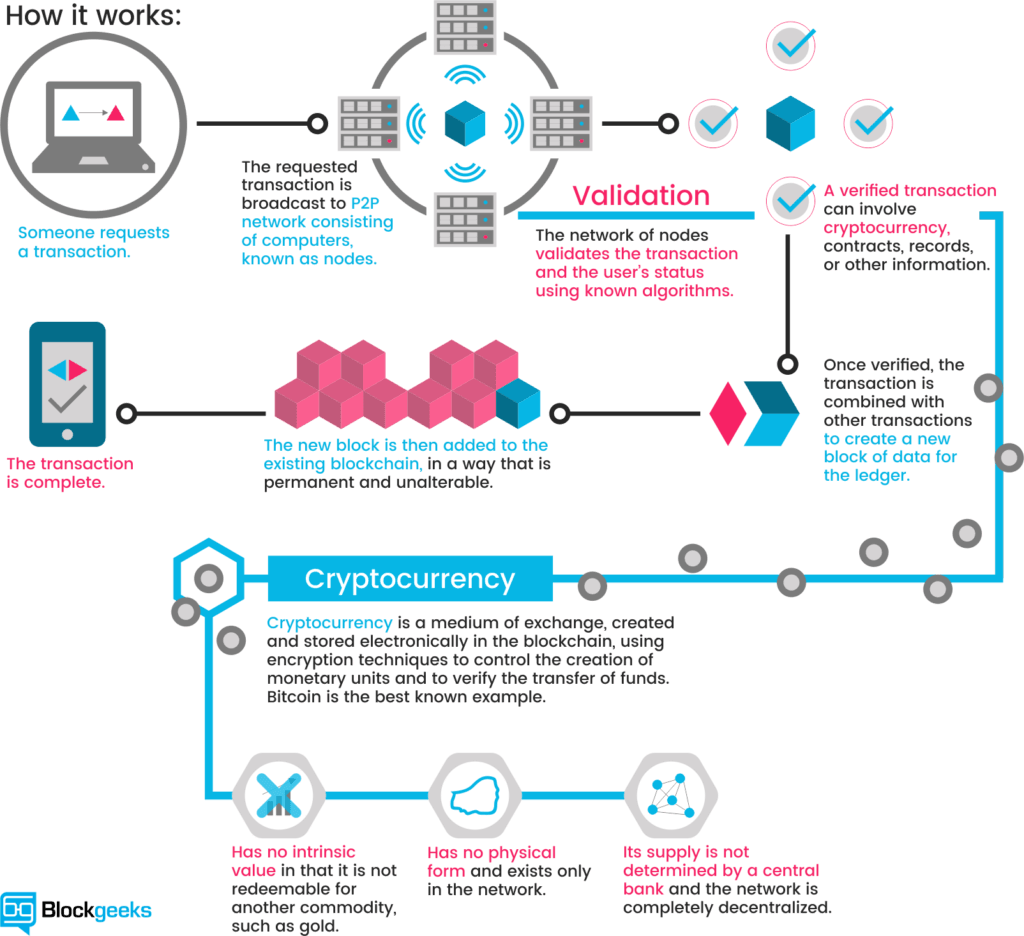
Crypto networks are decentralized systems that enable the transfer and management of digital assets using cryptographic techniques. They facilitate secure, transparent, and peer-to-peer transactions without the need for intermediaries. At their core, these networks leverage blockchain technology, which serves as a distributed ledger that records all transactions across a network of computers.The primary components of a crypto network include nodes, which are individual devices connected to the network; the blockchain itself, which is the underlying technology; and the consensus mechanism, which helps validate transactions.

Nodes play a critical role as they maintain a copy of the blockchain and help process transactions. The integrity and efficiency of a crypto network heavily rely on the distribution and functionality of these nodes.

Types of Crypto Networks

Crypto networks can largely be categorized into public, private, and hybrid networks. Each type serves different purposes and offers unique characteristics.

  • Public Crypto Networks: These networks allow anyone to join and participate in the transaction process. Bitcoin and Ethereum are prime examples, providing open access and transparency.
  • Private Crypto Networks: These are restricted networks where access is limited to specific users or organizations. They offer more control and privacy, often used by businesses for internal processes.
  • Hybrid Crypto Networks: Combining elements of both public and private networks, hybrid networks offer flexibility by allowing public access while maintaining certain private aspects. An example includes R3 Corda, used in financial services.

Functionality of Crypto Networks

Transactions within a crypto network are validated through a series of steps that ensure accuracy and prevent fraud. Users initiate transactions, which are then grouped into blocks. These blocks require validation by the network’s nodes.Consensus mechanisms are vital for maintaining network integrity. They ensure that all participants in the network agree on the validity of transactions. Popular mechanisms include Proof of Work (PoW) and Proof of Stake (PoS), which differ in how they reward participants for validating transactions.Smart contracts, self-executing agreements coded into the blockchain, operate seamlessly within these networks.

They automate processes and facilitate trustless transactions without needing intermediaries, creating efficiency and reducing costs.

Security Features of Crypto Networks

The security of crypto networks hinges on various protocols and cryptographic techniques that protect transactions and user data. These include hashing algorithms like SHA-256, which ensure data integrity, and digital signatures, which authenticate transactions.Cryptographic techniques are crucial in securing transactions against unauthorized access and fraud. They provide the foundation for trust within the network, enabling users to transact confidently.Despite their robust security features, crypto networks are not immune to vulnerabilities.

Common vulnerabilities include 51% attacks, where a single entity gains control over the majority of nodes, and smart contract bugs. Networks address these risks through regular updates, audits, and the implementation of best practices in coding and network management.

Impact of Crypto Networks on Financial Systems

Crypto networks are reshaping traditional banking systems by offering alternatives to conventional financial services. They enable users to bypass banks, allowing for direct peer-to-peer transactions that can be faster and more cost-effective.These networks facilitate cross-border transactions by eliminating the need for intermediaries and reducing transaction times and fees. This capability is especially beneficial for remittances, where traditional methods can be slow and expensive.Financial inclusion is another critical impact of crypto networks.

By providing access to financial services to the unbanked and underbanked populations, they empower individuals globally to participate in the economy without traditional banking infrastructure.

Future Trends in Crypto Networks

The future of crypto networks is promising, with potential developments in scalability, interoperability, and user experience. Innovations like layer-2 solutions aim to enhance transaction speeds and reduce costs, addressing current limitations.Regulatory changes will significantly influence the landscape of crypto networks. Governments are increasingly scrutinizing the sector, which could lead to more robust regulations that promote responsible usage while encouraging innovation.Emerging trends in decentralized finance (DeFi) are closely linked to crypto networks, as they enable various financial services without intermediaries.

DeFi projects are redefining borrowing, lending, and trading by utilizing crypto networks, thus revolutionizing the financial sector as we know it.

Ending Remarks

In conclusion, the understanding of crypto network meaning highlights the transformative potential of these networks within our financial systems and beyond. As technology evolves and regulatory landscapes change, the future of crypto networks promises to bring even more innovation and inclusivity to global finance.

FAQ Explained

What is a crypto network?

A crypto network is a decentralized system that enables the secure exchange and verification of digital currencies through blockchain technology.

Why are nodes important in a crypto network?

Nodes validate transactions and maintain the integrity of the network by ensuring that all participants have a consistent view of the blockchain.

What is the difference between public and private crypto networks?

Public crypto networks allow anyone to participate and validate transactions, while private networks restrict access to specific users or organizations.

How do smart contracts function in crypto networks?

Smart contracts are self-executing agreements with the terms directly written into code, enabling automation and reducing the need for intermediaries.

What security measures do crypto networks use?

Crypto networks employ cryptographic techniques, consensus mechanisms, and various protocols to secure transactions and protect against vulnerabilities.

Looking to buy and send Bitcoin without breaking the bank? This guide dives deep into the world of low-fee Bitcoin transactions, covering everything from reputable platforms to various sending methods and the factors impacting fees. We’ll explore the different options available, helping you make informed decisions and secure your Bitcoin transactions efficiently.

Navigating the crypto landscape can feel overwhelming. This comprehensive guide simplifies the process of buying and sending Bitcoin with minimal fees. We’ll provide a clear and concise overview of the essential elements to understand and implement effective strategies for optimizing your Bitcoin transactions.

Low-Fee Bitcoin Buying Platforms

Bitcoin’s popularity has spurred the development of numerous platforms catering to users seeking cost-effective transactions. This section explores reputable platforms offering low transaction fees, providing comparisons of their fee structures, and outlining the processes involved in buying and sending Bitcoin. It also details account verification and transaction procedures, culminating in a table summarizing key platform features.Many platforms prioritize ease of use and security to attract and retain users.

Understanding the nuances of fee structures, security measures, and user experiences is crucial for making informed decisions when choosing a platform for Bitcoin transactions.

Reputable Platforms for Low-Fee Bitcoin Purchases

Several platforms are known for their competitive transaction fees and user-friendly interfaces. These platforms often employ various methods for buying and sending Bitcoin, each with its own set of advantages and disadvantages.

  • Coinbase Pro: A popular choice for experienced traders, Coinbase Pro offers competitive fees for large-volume transactions. Its advanced charting tools and order types are appealing to sophisticated users. However, it may have higher fees for smaller transactions than other platforms. It supports various methods for buying Bitcoin, including bank transfers and debit/credit cards.
  • Kraken: Known for its diverse trading options, Kraken often boasts competitive fees, especially for larger transactions. The platform is known for its security measures and advanced trading features. Users can buy and send Bitcoin through various methods like bank transfers and credit/debit cards.
  • Binance: A global exchange with a vast selection of cryptocurrencies, Binance frequently offers low fees for Bitcoin transactions, particularly for larger trades. The platform caters to a broad range of users, from beginners to experienced traders. It offers multiple payment options for buying and sending Bitcoin, including bank transfers, credit/debit cards, and others.

Comparison of Fee Structures

The fee structure of each platform varies significantly. Transaction fees are typically dependent on the transaction volume and method of payment. Some platforms offer tiered fee structures that become more favorable with higher trading volumes. The method of payment can also influence the fees.

  • Example: Coinbase Pro’s fees might be lower for larger trades than for small ones, while Binance might have lower fees for trading larger volumes. The specific fee amounts can vary depending on the specific payment methods and the current market conditions.

Methods for Buying and Sending Bitcoin

Different platforms support diverse methods for acquiring and sending Bitcoin. The choice of method often correlates with the user’s financial preferences and the platform’s regional compliance.

  • Bank Transfers: Often associated with slightly higher fees compared to other methods. They provide a more traditional and secure approach to funding Bitcoin purchases.
  • Debit/Credit Cards: A convenient option for immediate transactions. However, these methods often incur higher fees compared to bank transfers, especially if international transactions are involved.

Account Verification and Transaction Procedures

Verification procedures vary between platforms, reflecting their risk management policies and regional regulations. The transaction procedures typically involve a series of steps, from completing account registration to making the actual purchase.

  • Verification Steps: Typically involve providing identification documents, such as government-issued IDs and proof of address. The process might take a few days to a couple of weeks, depending on the platform and the thoroughness of the verification.
  • Transaction Procedure: Usually involves selecting the desired payment method, entering the amount, and confirming the transaction. It’s crucial to review the transaction details before confirmation to avoid errors.

Platform Feature Comparison

Platform Fee Structure Security Measures User Experience
Coinbase Pro Competitive, tiered fees for high volume; potentially higher for smaller transactions Robust security measures, including multi-factor authentication Advanced charting and trading tools, suitable for experienced traders
Kraken Competitive, tiered fees for high volume Strong security features, including cold storage and advanced security protocols User-friendly interface, suitable for experienced and novice traders
Binance Generally low fees for high volume; potentially higher for smaller transactions Multi-layer security measures, including KYC/AML compliance Wide range of cryptocurrencies and trading tools; suitable for beginners and experienced traders

Bitcoin Sending Methods with Low Fees

Sending Bitcoin with low fees is a crucial aspect of user experience and cost-effectiveness. Various methods exist, each with trade-offs in speed, security, and cost. Understanding these methods and the factors influencing fees empowers users to make informed decisions. This section details strategies for minimizing Bitcoin transaction costs while maintaining security.Optimizing Bitcoin transactions for low fees involves a multifaceted approach.

Factors such as network congestion, transaction volume, and the desired confirmation level all contribute to the final cost. By understanding these components, users can strategize to send Bitcoin effectively and affordably.

Bitcoin Network Settings and Transaction Fees

Bitcoin transaction fees are dynamic and depend on network congestion. Higher demand often leads to higher fees. Network settings, such as the transaction size and desired confirmation levels, influence fees. The higher the number of confirmations requested, the greater the potential fee. Transactions with a high priority (meaning they are prioritized in processing) will incur higher fees to be processed ahead of other transactions.

Transaction Confirmation Levels and Fees

The number of confirmations a Bitcoin transaction receives significantly impacts the security and perceived finality of the transaction. A higher number of confirmations generally suggests a greater chance that the transaction won’t be reversed. However, the required number of confirmations and the associated fee are often correlated. A user seeking immediate confirmation will pay a higher fee compared to someone willing to wait for a greater number of confirmations, which usually come at a lower cost.

Transaction Volume and Fees

Transaction volume plays a pivotal role in influencing Bitcoin fees. High transaction volume often leads to congestion on the Bitcoin network, increasing the fees associated with sending transactions. In periods of high demand, users may face higher costs compared to periods of lower network activity. Historical data shows correlations between transaction volume and fees, demonstrating the direct impact of supply and demand on the cost of Bitcoin transactions.

Bitcoin Wallets and Transaction Fees

Different Bitcoin wallets can affect transaction fees. Some wallets offer options for prioritizing transactions, which may lead to higher fees. Other wallets use different fee estimation methods, potentially leading to varied fee structures. The wallet’s fee estimation algorithm is a significant factor to consider when selecting a wallet and understanding the associated fees.

Bitcoin Networks and Their Impact on Fees

Bitcoin networks, including the main network and potential sidechains, play a crucial role in determining transaction fees. The main Bitcoin network is the most widely used, but its congestion can lead to higher fees. Alternative networks, if available, may offer lower fees, though their security and acceptance levels should be carefully assessed.

Comparison of Bitcoin Sending Methods

Sending Method Typical Fee Speed Security
Using a dedicated Bitcoin exchange Variable, often higher Variable, typically fast High, due to established security protocols
Using a peer-to-peer (P2P) platform Variable, often lower than exchanges Variable, potentially slower than exchanges Medium, security depends on platform and user practices
Using a Bitcoin wallet with a fee estimator Variable, often optimized Variable, depends on network congestion High, security depends on wallet and user practices

Factors Affecting Bitcoin Transaction Fees

Bitcoin transaction fees, a crucial component of the Bitcoin network, are dynamic and influenced by various factors. Understanding these factors is essential for anyone sending or receiving Bitcoin, as it allows for better fee estimations and informed decision-making. These fees, while seemingly small, can significantly impact the overall cost of a transaction, especially for large or urgent transfers.Transaction fees on the Bitcoin network are not fixed.

Instead, they are determined by the current state of the network, with fluctuations influenced by a multitude of variables. This dynamic pricing mechanism helps maintain network stability and encourages efficient transaction processing.

Network Congestion

Network congestion, a common phenomenon in decentralized networks, significantly impacts Bitcoin transaction fees. When the network experiences high transaction volume, it becomes more challenging for transactions to be processed quickly. This increased demand leads to higher fees as users compete to get their transactions included in the next block. For example, during periods of high trading activity or significant market events, the Bitcoin network can become congested, causing fees to spike.

This congestion often necessitates users to pay higher fees to ensure their transactions are prioritized and processed promptly.

Transaction Volume

The volume of transactions on the Bitcoin network directly correlates with the overall demand for transaction processing. Higher transaction volume typically translates to higher fees. The more users actively sending and receiving Bitcoin, the more competition for available block space and processing capacity. This increased competition naturally drives up the price of transaction slots, hence the fees.

For instance, during periods of intense market activity, the volume of transactions dramatically increases, which frequently leads to higher transaction fees.

Transaction Size

The size of a Bitcoin transaction, measured in bytes, directly influences the fee amount. Larger transactions require more space in a block, creating more competition for that limited space. As a result, larger transactions often incur higher fees. A simple example illustrates this: a transaction sending a small amount of Bitcoin requires less space than one sending a significant amount.

Transaction Priority

Transaction priority is a mechanism that allows users to specify the urgency of their transactions. Transactions with higher priority are given preferential treatment, which means they are more likely to be included in the next block. This higher priority often comes at a cost, as users must pay higher fees to achieve this preference. This approach allows users with urgent transactions to pay more to have them processed more quickly, whereas less urgent transactions are processed at lower fees.

Block Size

The block size, which represents the maximum amount of data a block can hold, is a crucial factor affecting fees. A smaller block size limits the number of transactions that can be included in a block, which increases competition for the limited space. Consequently, this often results in higher transaction fees. Conversely, a larger block size allows for more transactions to be included, which can lead to lower fees, as competition for space is reduced.

The optimal block size is a subject of ongoing debate, as it balances transaction processing speed with network stability.

Factors Affecting Bitcoin Transaction Fees

  • Network congestion: High transaction volume leads to increased competition for block space, driving up fees.
  • Transaction volume: Higher transaction volume intensifies competition for block space, leading to higher fees.
  • Transaction size: Larger transactions require more space in a block, increasing competition and fees.
  • Transaction priority: Higher priority transactions are processed faster but require higher fees.
  • Block size: A smaller block size limits transaction capacity, leading to greater competition and higher fees.

Understanding Buy Bitcoin Processes

Purchasing Bitcoin involves a series of steps, from selecting a platform to confirming the transaction. This process, while straightforward for many, requires careful consideration to ensure a smooth and secure experience. Understanding the various stages is crucial for minimizing potential risks and maximizing efficiency.

Overview of the Bitcoin Buying Process

The Bitcoin buying process generally follows a structured path, starting with account creation and progressing through funding and transaction confirmation. Each stage plays a critical role in the overall transaction, contributing to the security and legitimacy of the purchase.

Different Stages in Acquiring Bitcoin

Several distinct stages contribute to completing a Bitcoin purchase. These stages are interconnected and critical for a successful transaction.

  • Account Creation and Verification: Creating an account on a Bitcoin exchange platform typically involves providing personal information and verifying your identity. This verification process is essential for security and compliance purposes, helping to prevent fraudulent activities. Examples of verification steps include providing government-issued ID and address proof.
  • Funding the Account: Once your account is verified, you need to fund it with a suitable payment method. Popular options include bank transfers, credit/debit cards, and other digital payment methods. The specific methods available depend on the exchange platform.
  • Placing the Bitcoin Order: After funding your account, you can place an order to buy Bitcoin. This typically involves specifying the amount of Bitcoin you want to purchase and the price you’re willing to pay. Different exchanges may have various order types (market, limit, etc.).
  • Transaction Confirmation: Once your order is placed, the exchange initiates the transaction. This involves transferring the funds from your payment method to the exchange and then sending the Bitcoin to your designated wallet address. Confirmation time varies depending on the exchange and network congestion.

Necessary Steps for Completing a Bitcoin Purchase

Following these steps ensures a smooth and secure Bitcoin purchase.

  1. Choose a Reputable Bitcoin Exchange: Research and select a platform known for its security, user-friendliness, and transparent policies. Consider factors such as transaction fees, customer support, and security measures.
  2. Create and Verify Your Account: Provide the required information and undergo verification procedures. This step is essential for security and compliance.
  3. Fund Your Account: Deposit funds into your account using the chosen payment method. Be mindful of any fees associated with the funding method.
  4. Place Your Bitcoin Order: Specify the amount of Bitcoin you wish to buy and the price you’re willing to pay. Review the details carefully before confirming the order.
  5. Confirm the Transaction: Once the transaction is initiated, review the details and confirm the purchase. Monitor the transaction status until it is confirmed on the blockchain.

Bitcoin Exchange Platforms and Their Features

Different Bitcoin exchanges offer various features and functionalities.

Exchange Platform Key Features
Coinbase User-friendly interface, widely accepted, strong security measures, various payment methods.
Kraken Advanced trading tools, suitable for experienced traders, high volume trading capabilities.
Binance Global reach, high trading volume, extensive selection of cryptocurrencies, competitive fees.
Gemini User-friendly platform, strong security protocols, regulated exchange.

Flowchart Illustrating the Bitcoin Buying Process

(A visual representation of the Bitcoin buying process is a flowchart. It would show a series of interconnected boxes or shapes representing each stage, such as “Create Account,” “Fund Account,” “Place Order,” “Confirm Transaction,” etc. Arrows would connect these shapes to indicate the flow. The flowchart would clearly Artikel the steps involved in purchasing Bitcoin, from beginning to end.)

Alternative Payment Methods for Bitcoin Purchases

Purchasing Bitcoin often involves navigating various payment options. Understanding the advantages and drawbacks of each method is crucial for a secure and efficient transaction. Different payment platforms offer unique features, affecting transaction speed, costs, and security. This section details several alternative payment methods for buying Bitcoin, along with their associated considerations.Alternative payment methods provide diverse options for acquiring Bitcoin, each with its own strengths and weaknesses.

The optimal choice depends on individual needs and priorities, considering factors like transaction speed, cost, security, and user experience.

Credit Card Payments

Credit cards are a widely used payment method for online purchases, including Bitcoin. Their convenience and familiarity make them appealing to many users.

  • Pros: Ease of use, wide acceptance, often integrated with existing payment systems.
  • Cons: Higher transaction fees compared to some other methods, potential for security risks if not used cautiously.
  • Security: Security depends on the cardholder’s vigilance. Using strong passwords, enabling two-factor authentication, and monitoring transaction activity are vital. Employing reputable platforms with robust security measures is also critical.

Debit Card Payments

Debit cards, similar to credit cards, offer a straightforward way to buy Bitcoin.

  • Pros: Funds are directly drawn from a linked bank account, often with immediate transaction processing.
  • Cons: Transaction fees might vary depending on the issuing bank and platform, potential for security risks if not handled carefully.
  • Security: The same security precautions as with credit cards apply: strong passwords, two-factor authentication, and careful monitoring of transactions are essential. Using reputable platforms and avoiding suspicious links or websites is crucial.

Bank Transfer

Bank transfers are another common method for purchasing Bitcoin, often used by individuals seeking lower transaction fees.

  • Pros: Lower transaction fees compared to credit/debit cards, often considered a more secure option.
  • Cons: Slower transaction processing times, not as widely available as credit/debit card options.
  • Security: Using trusted platforms with secure payment gateways is essential. Verifying the recipient’s details and confirming the transfer are key steps.

Other Payment Methods

Other methods include using pre-paid cards, cryptocurrency exchanges, and peer-to-peer (P2P) platforms. These methods often offer varying levels of convenience, security, and transaction fees.

Comparison Table

Payment Method Pros Cons Security
Credit Card Ease of use, wide acceptance Higher transaction fees, potential security risks Requires vigilance, use of strong passwords and two-factor authentication
Debit Card Funds directly from bank account, often immediate Transaction fees vary, potential security risks Requires vigilance, use of strong passwords and two-factor authentication
Bank Transfer Lower transaction fees, often perceived as secure Slower processing times, less readily available Use trusted platforms, verify recipient details, confirm transfer

Last Point

Why We Buy: The Science of Shopping—Updated and Revised for the ...

In conclusion, acquiring and transferring Bitcoin at low costs is achievable through careful platform selection, optimal sending methods, and a keen understanding of the underlying factors affecting transaction fees. By following the strategies Artikeld in this guide, you can confidently manage your Bitcoin transactions with minimized costs and maximized efficiency. Ultimately, this knowledge empowers you to navigate the crypto market effectively.

Answers to Common Questions

What are some reputable platforms for buying Bitcoin with low fees?

Several platforms offer competitive fees for Bitcoin purchases. Factors like security, user experience, and available payment methods should be considered when choosing a platform. Research and compare options before making a decision.

How do different sending methods affect Bitcoin transaction fees?

Transaction fees are influenced by factors like network congestion, transaction size, and priority. Faster transaction speeds usually come with higher fees. Understanding these variables allows you to make informed choices about your sending method.

What is the impact of network congestion on Bitcoin transaction fees?

High network congestion leads to increased transaction fees. During peak periods, fees can rise significantly. Using a platform or method that prioritizes efficient transactions can help mitigate this issue.

How can I ensure my Bitcoin purchases are secure?

Choose platforms with strong security measures, verify their legitimacy, and store your private keys securely. Always be cautious about suspicious requests or offers. Due diligence is essential for safeguarding your Bitcoin investments.
Marketing business quiz questions answers provide a fascinating lens through which to explore the dynamics of modern marketing strategies. Quizzes are not just fun; they serve as powerful tools for assessing knowledge, engaging audiences, and enhancing brand interaction. Companies utilizing quizzes can create memorable experiences that educate and entertain, making them an essential component of effective marketing.

These quizzes come in various formats, from multiple-choice to fill-in-the-blank, each designed with the goal of instilling knowledge while keeping participants engaged. As businesses strive to connect with their customers on a deeper level, understanding how to craft and leverage these quizzes becomes paramount.

Importance of Marketing Quizzes in Business

Marketing quizzes have become a valuable tool for businesses in assessing their marketing knowledge and strategies. These interactive assessments allow businesses to gauge their understanding of market trends, consumer behavior, and brand positioning. Not only do they provide insights into the effectiveness of marketing campaigns, but they also serve as a platform for educating both staff and customers about products and services.

Quizzes can significantly enhance engagement with audiences. They create a fun and interactive experience that encourages participation and fosters a deeper connection with the brand. For instance, companies like BuzzFeed have effectively used quizzes to drive user engagement and generate leads. Their quizzes not only entertain but also gather data about their audience’s preferences, which can be utilized in future marketing efforts.

Types of Marketing Quiz Questions

Understanding the various types of quiz questions is essential for creating effective marketing quizzes. They can be categorized into multiple-choice questions, true/false questions, and fill-in-the-blank questions. Each type serves a unique purpose and can elicit different levels of engagement from participants.

  • Multiple-choice questions are versatile and allow for a range of responses, making them ideal for gauging audience preferences and knowledge.
  • True/false questions provide a straightforward way to assess knowledge and can simplify data analysis.
  • Fill-in-the-blank questions encourage more critical thinking and can reveal deeper insights into consumer perceptions.

Crafting Effective Quiz Questions

Writing clear and concise quiz questions is crucial for participant engagement. Questions should be straightforward and free of jargon to ensure that all participants understand what is being asked. To make quizzes more engaging, incorporate fun elements such as humor or pop culture references that resonate with the target audience. A basic template for structuring quiz questions could include:

  • Question stem: Clearly state what the question is asking.
  • Answer options: Provide a range of response choices, ensuring they are plausible and relevant.
  • Feedback: Offer immediate feedback based on responses to enhance learning.

Analyzing Quiz Results

Interpreting the results of marketing quizzes involves using various methods to extract actionable insights. This can include statistical analysis of responses, identifying trends, and measuring performance against benchmarks. Responses can be categorized into actionable insights by:

  • Grouping similar answers to identify common themes or misconceptions.
  • Using scoring systems to segment participants based on their knowledge levels.

Leveraging Quiz Data for Marketing Strategies

Integrating quiz results into overall marketing plans can boost targeted marketing efforts. The data gathered can inform customer segmentation strategies, allowing businesses to tailor their messaging and offers based on quiz outcomes. A checklist for actions based on quiz data analysis might include:

  • Identify audience segments based on quiz performance.
  • Adjust marketing strategies to address knowledge gaps revealed by the quiz.
  • Create targeted content or campaigns based on participant interests.

Case Studies of Successful Marketing Quizzes

Several companies have successfully implemented marketing quizzes to engage their audiences. For example, the online retailer ASOS used quizzes to help customers find the perfect outfit, which not only increased engagement but also significantly boosted sales. The objective was to create a seamless shopping experience, and the execution involved incorporating style questions that matched user preferences. The outcome was a notable increase in conversion rates.Another example is the skincare brand Olay, which used quizzes to educate consumers about product benefits.

The execution involved personalized recommendations based on quiz answers, ultimately leading to higher customer satisfaction and loyalty.

Tools and Platforms for Creating Marketing Quizzes

There are numerous platforms available for designing and distributing marketing quizzes. Popular tools include Typeform, Quizizz, and SurveyMonkey, each offering unique features to enhance quiz creation. Features to look for in quiz creation tools include:

  • User-friendly interfaces for easy quiz design.
  • Analytics capabilities to track engagement and performance.
  • Customization options to align quizzes with brand aesthetics.

A comparison table of the top quiz-making tools might include:

Tool Features Pricing
Typeform Interactive forms, customizable templates Free with paid plans
Quizizz Live quizzes, gamification Free with premium options
SurveyMonkey Robust analytics, customizable surveys Free basic version, paid plans

Future Trends in Marketing Quizzes

Emerging trends in quiz-based marketing strategies indicate a shift towards more personalized and interactive experiences. As technology evolves, quizzes will likely incorporate AI and machine learning to provide real-time feedback and tailor experiences to individual users.Predictions suggest that quizzes will become more integrated into social media platforms, enhancing their reach and engagement potential. Businesses can stay ahead by experimenting with innovative formats like video quizzes or integrating gamification elements.To remain competitive in quiz marketing innovations, businesses should:

  • Continuously analyze quiz data to refine strategies.
  • Embrace new technologies to enhance user experiences.
  • Engage with audiences through multi-channel approaches.

Wrap-Up

In summary, marketing business quiz questions answers represent a significant trend in interactive marketing. By effectively analyzing quiz results and incorporating them into broader marketing strategies, businesses can not only enhance their engagement but also gain invaluable insights into their audience’s preferences and behaviors. As we look to the future, embracing these innovative tools will be crucial for staying relevant in the ever-evolving marketing landscape.

General Inquiries

Why are quizzes important for marketing?

Quizzes engage audiences, assess knowledge, and provide insights into customer preferences, making them a valuable marketing tool.

What types of questions can be used in marketing quizzes?

Common types include multiple-choice, true/false, and fill-in-the-blank questions tailored to marketing concepts.

How can quiz results inform marketing strategies?

Results can reveal audience interests and behaviors, allowing businesses to tailor their marketing efforts and strategies accordingly.

What platforms can I use to create marketing quizzes?

Popular platforms include Typeform, SurveyMonkey, and Google Forms, each offering various features for quiz creation.

What are some best practices for crafting quiz questions?

Effective quiz questions should be clear, concise, and engaging, often utilizing a mix of formats to maintain participant interest.

Bitcoin meaning in punjabi sets the stage for this enthralling narrative, offering readers a glimpse into a story that is rich in detail and brimming with originality from the outset. Bitcoin, the pioneering digital currency, has transformed the landscape of financial transactions and investments globally, and its influence is steadily making waves in Punjabi culture.

This overview will delve into the significance of Bitcoin within the digital economy, its underlying technology, and how it is perceived and adopted in Punjabi communities. From understanding its historical backdrop to exploring its practical applications, we will uncover the multifaceted nature of Bitcoin in the context of Punjab.

Understanding Bitcoin

Bitcoin has emerged as a revolutionary digital currency that significantly influences the modern economy. It operates independently of traditional financial institutions, allowing peer-to-peer transactions without intermediaries. This decentralized nature empowers individuals by providing greater control over their finances and enabling borderless transactions. Bitcoin is not just a form of currency; it represents a paradigm shift in how we perceive money and financial systems.The technology underlying Bitcoin is rooted in blockchain and cryptography.

Blockchain is a distributed ledger that records all transactions across a network of computers, ensuring transparency and security. Each transaction is verified by network nodes through cryptography, making it nearly impossible to alter past records. This technological framework establishes Bitcoin’s credibility and security, which is crucial for its acceptance as a reliable medium of exchange.Bitcoin was created in 2009 by an anonymous entity known as Satoshi Nakamoto.

Initially, it was seen as a niche project, but over the years, its popularity has surged. From being worth just a few cents, Bitcoin has reached significant valuations, capturing the attention of investors and financial institutions alike. Its evolution highlights the growing acceptance of cryptocurrencies in global finance, paving the way for innovations in digital assets.

Bitcoin in Punjabi Culture

Within Punjabi communities, Bitcoin’s perception is gradually changing as awareness grows. Initially viewed with skepticism, many Punjabis are now recognizing its potential as an investment and a means of transaction. The increasing connectivity through the internet has played a vital role in this shift, as more individuals learn about Bitcoin’s advantages.Entrepreneurs and investors in Punjab are increasingly adopting Bitcoin. Startups in technology and finance sectors are exploring its use for transactions and fundraising, while investors are looking at Bitcoin as a hedge against inflation and currency fluctuations.

This trend indicates a burgeoning interest in digital currencies among the youth in Punjab.Local businesses in Punjab are also beginning to accept Bitcoin as a form of payment. Cafes, tech hubs, and retail shops are experimenting with cryptocurrency transactions, allowing customers to pay for goods and services using Bitcoin. This growing acceptance signifies a shift in the traditional business landscape and showcases the adaptability of Punjabi entrepreneurs.

Translation of Bitcoin Meaning

In Punjabi, Bitcoin is often translated as “ਬਿਟਕੋਇਨ.” This term encapsulates the essence of the cryptocurrency but also reflects the cultural context of its usage. Understanding Bitcoin in Punjabi terms goes beyond translation; it requires an appreciation of the cultural implications of integrating such a modern financial concept.Translating Bitcoin into Punjabi highlights the need for clear financial terminology that resonates with local speakers.

Financial literacy among Punjabis is essential for embracing new technologies like Bitcoin. The nuances involved in translating financial terms can create barriers or facilitate understanding, emphasizing the importance of accurate communication in this domain.

Advantages and Disadvantages of Bitcoin

Bitcoin offers several benefits for financial transactions, making it an attractive option for users. Here are some key advantages:

  • Decentralization: Bitcoin operates without central authority, reducing reliance on banks.
  • Lower Transaction Fees: Compared to traditional banking methods, Bitcoin transactions often incur lower fees.
  • Security: Transactions are secured through cryptographic technology, making them resistant to fraud.
  • Privacy: Users can maintain a degree of anonymity in their transactions, protecting their identity.
  • Global Reach: Bitcoin can be sent and received from anywhere in the world, facilitating international transactions.

However, there are also challenges and risks associated with Bitcoin investment:

  • Price Volatility: Bitcoin is known for its fluctuating prices, leading to potential financial losses.
  • Lack of Regulation: The absence of regulatory oversight can expose users to scams and fraud.
  • Technological Barriers: Understanding and using Bitcoin requires a certain level of technical knowledge.
  • Irreversibility: Once a transaction is made, it cannot be reversed, leading to potential issues in case of errors.
  • Security Risks: While secure, Bitcoin wallets can be vulnerable to hacking if not properly protected.

Comparing Bitcoin with traditional currencies reveals a unique set of advantages and challenges in Punjab. While Bitcoin provides innovative solutions, the risks and volatility can be daunting for those accustomed to stable fiat currencies.

Future of Bitcoin in Punjab

The future of Bitcoin in Punjab looks promising as awareness and adoption continue to grow. Over the next decade, several trends are likely to shape its integration into the local economy. Increased internet penetration and smartphone usage will facilitate access to Bitcoin, especially among the younger population. Key industries in Punjab that may benefit from Bitcoin integration include agriculture, manufacturing, and e-commerce.

For instance, farmers could use Bitcoin for direct transactions with buyers, reducing dependency on intermediaries. Similarly, manufacturers could streamline their cross-border payments using cryptocurrency.Individuals and businesses interested in Bitcoin can start by educating themselves about its workings. Creating user-friendly platforms for buying and selling Bitcoin will be essential. Local merchant adoption will also play a crucial role, as more businesses accept Bitcoin, creating a cycle of use and acceptance within the community.

Practical Guidance on Bitcoin

For those looking to buy Bitcoin in Punjab, the process is relatively straightforward. Here is a step-by-step guide:

  1. Choose a Bitcoin wallet: Select a secure wallet to store your Bitcoin. Options include software wallets and hardware wallets.
  2. Register on a cryptocurrency exchange: Sign up on a reputable exchange that operates in India, such as WazirX or CoinDCX.
  3. Verify your identity: Complete any necessary KYC (Know Your Customer) requirements, which may involve providing identification.
  4. Deposit funds: Transfer money to your exchange account using bank transfer or other accepted methods.
  5. Buy Bitcoin: Use the deposited funds to purchase Bitcoin at the current market rate.

Storing Bitcoin securely is crucial. Users should consider the following methods:

  • Hardware Wallets: These are physical devices that store your Bitcoin offline, providing enhanced security.
  • Software Wallets: These apps can be installed on mobile or desktop devices for easy access, though they may be less secure than hardware options.
  • Paper Wallets: Writing down your Bitcoin address and private key on paper is a secure method, provided it is kept safe from damage or loss.

For those looking to trade Bitcoin, understanding market trends and using reliable trading platforms is vital. Engaging in research and joining local cryptocurrency communities can provide valuable insights and support for new investors.

Final Summary

In conclusion, as we have explored, the story of Bitcoin meaning in punjabi is not just about a currency; it represents a shift towards new financial possibilities for individuals and businesses in Punjab. The future holds promising opportunities for integration and growth, as more people become aware of the advantages and challenges that Bitcoin presents.

FAQ Resource

What is Bitcoin?

Bitcoin is a decentralized digital currency that allows peer-to-peer transactions without the need for intermediaries like banks.

How do I buy Bitcoin in Punjab?

You can buy Bitcoin in Punjab through cryptocurrency exchanges or peer-to-peer platforms that facilitate buying and selling.

Is Bitcoin legal in Punjab?

Yes, Bitcoin is legal in India, including Punjab, but it’s important to stay updated on regulations as they can change.

What are the risks of investing in Bitcoin?

The risks include market volatility, potential loss of funds, and the need for secure storage and management of cryptocurrency.

How is Bitcoin perceived in Punjabi culture?

In Punjabi culture, Bitcoin is gradually gaining recognition, with increasing interest among entrepreneurs and local businesses.