June 2, 2026

bitcoin

Bitcoin price right now USD is a dynamic topic, influenced by a multitude of factors. This report dives deep into the current price, recent trends, and the underlying forces shaping the cryptocurrency market. We’ll explore everything from technical analysis to market sentiment, providing a comprehensive overview.

From the real-time price to predictions for the next 24 hours, this analysis covers the essentials, offering a clear picture of Bitcoin’s current standing and potential future trajectory. Understanding the nuances of the Bitcoin market is crucial for investors and enthusiasts alike.

Price Trend Analysis

Bitcoin’s price action over the past week has been characterized by a period of consolidation, fluctuating within a relatively narrow range. This stability contrasts with the more pronounced volatility observed in previous weeks, suggesting a potential shift in the market’s overall momentum. Understanding the underlying factors driving this change is crucial for assessing future price trajectories.

Recent Price Trend

The past week witnessed Bitcoin’s price hovering around a key support level. This sideways movement, marked by relatively minor price swings, indicates a period of indecision among market participants. While there were brief attempts to break above or below this range, these efforts were largely unsuccessful, suggesting the prevailing market sentiment is one of cautious optimism.

Key Influencing Factors

Several factors contributed to the recent price consolidation. Increased institutional interest, while not immediately driving a surge, provides a foundation of stability. Furthermore, the release of significant economic data, such as inflation reports, held a notable impact on investor sentiment and consequently, Bitcoin’s price. The overall market’s performance, as reflected by other major cryptocurrencies and traditional assets, played a significant role in determining Bitcoin’s trajectory.

Comparison to Previous Trends

Compared to previous weeks, the current trend is significantly less volatile. While periods of intense price fluctuations are typical in the cryptocurrency market, the recent consolidation suggests a shift towards a more measured approach. This differs markedly from the preceding weeks, where aggressive price swings were common.

Correlation with Broader Market Events

Bitcoin’s price trend often mirrors broader market events. The recent consolidation aligns with the overall stability observed in the global financial markets. This correlation suggests that the cryptocurrency market is reacting to broader economic factors, rather than being solely driven by speculative trading.

Visual Representation (Price Trend Graph)

A line graph depicting Bitcoin’s price over the past week would display a relatively flat trend. The horizontal line, with minor fluctuations above and below a central value, illustrates the consolidation phase. Vertical axes would represent price in USD, and the horizontal axis would represent the time frame, likely a weekly view. The graph would visually emphasize the limited price range and the overall stability of the trend.

Factors Affecting Bitcoin Price

Bitcoin’s price volatility is a well-known characteristic, influenced by a complex interplay of market forces. Understanding these factors is crucial for investors and analysts seeking to navigate the cryptocurrency market. The price fluctuations are not random; they are driven by a multitude of intertwined elements.

Market Sentiment

Market sentiment, the overall feeling or attitude towards Bitcoin, plays a significant role in price action. Positive sentiment, fueled by optimism and favorable news, tends to drive prices upwards. Conversely, negative sentiment, often triggered by concerns or skepticism, can lead to downward pressure. The collective perception of Bitcoin’s future value, shaped by investor psychology and media coverage, significantly impacts trading decisions and price movements.

For instance, a surge in positive articles and social media buzz can create a self-fulfilling prophecy, driving the price higher.

Regulatory Changes

Government regulations concerning cryptocurrencies, including Bitcoin, have a profound impact on its price. Favorable regulatory environments, with clear guidelines and policies supporting crypto, often foster confidence and attract investment, pushing prices upward. Conversely, negative regulatory actions, such as stricter controls or outright bans, can create uncertainty and trigger selling pressure, leading to price declines. The recent evolution of regulations surrounding crypto in various countries demonstrates this effect.

News Events

Major news events, both within and outside the cryptocurrency market, can trigger significant price fluctuations. Positive news, such as major institutional investment in Bitcoin or successful adoption by a prominent company, can boost confidence and drive prices upward. Conversely, negative news, such as security breaches or controversies surrounding Bitcoin mining, can cause widespread panic and drive prices down.

A prominent example is the impact of the 2022 FTX collapse on the overall crypto market, which triggered a substantial decline in Bitcoin and other cryptocurrencies.

Correlation with Other Cryptocurrencies

Bitcoin’s price often correlates with the performance of other cryptocurrencies. A general upward trend in the broader cryptocurrency market can push Bitcoin’s price higher, and vice versa. This correlation is due to interconnected market forces and investor sentiment. The success or failure of a major cryptocurrency project can ripple through the entire market, affecting Bitcoin’s price.

Impact of Mining Difficulty

Bitcoin mining difficulty, which measures the computational power required to solve the cryptographic problems necessary for validating transactions and creating new Bitcoins, significantly impacts the profitability of mining operations. Increased difficulty often leads to higher energy costs and reduced profitability, potentially discouraging miners and influencing the supply of Bitcoin. This in turn can impact the overall market sentiment and price.

Table of Factors Affecting Bitcoin Price

Factor Effect on Bitcoin Price
Market Sentiment Positive sentiment typically drives prices up; negative sentiment pushes prices down.
Regulatory Changes Favorable regulations attract investment, while negative regulations cause uncertainty and selling pressure.
News Events Positive news can boost prices, while negative news can trigger price drops.
Correlation with Other Cryptocurrencies A general upward trend in the broader cryptocurrency market can boost Bitcoin’s price, and vice versa.
Mining Difficulty Increased difficulty can reduce profitability, potentially discouraging miners and impacting the supply of Bitcoin.

Bitcoin Price Prediction

Predicting the price of Bitcoin, or any cryptocurrency, in the short term is inherently challenging. Market forces, including investor sentiment, regulatory news, and technological advancements, can rapidly shift the price. While precise predictions are impossible, a reasonable outlook can be formed by considering current market conditions and likely scenarios.

Prediction Rationale

Bitcoin’s price movement is highly influenced by the interplay of supply and demand. Recent market trends, regulatory developments, and technological advancements significantly affect investor confidence and trading volume. This analysis considers these factors and assesses their potential impact on Bitcoin’s price in the next 24 hours. The volatility inherent in the cryptocurrency market necessitates a range of potential outcomes.

Potential Scenarios

Several potential scenarios for Bitcoin’s price in the next 24 hours exist, influenced by various market factors. These include, but are not limited to, bullish market momentum, consolidation, and potential corrections.

Key Assumptions

The following assumptions underpin the price prediction:

  • Current market sentiment remains relatively stable, with no major news events or regulatory announcements anticipated in the next 24 hours.
  • Trading volume remains consistent with recent averages.
  • No significant technical developments, such as major upgrades or security breaches, are expected.

Price Prediction Table

This table Artikels the potential price ranges for Bitcoin in the next 24 hours, considering the aforementioned factors and assumptions. These ranges are not guarantees but rather reflections of possible outcomes within the current market conditions.

Scenario Potential High (USD) Potential Low (USD) Potential Average (USD)
Bullish Momentum $30,500 $29,800 $30,150
Consolidation $30,200 $29,500 $29,850
Corrective Movement $29,900 $29,200 $29,550

Cryptocurrency Overview

The cryptocurrency market extends beyond Bitcoin, encompassing a diverse range of digital assets. Understanding the broader landscape provides context for evaluating Bitcoin’s performance relative to other cryptocurrencies. Market capitalization, performance comparisons, and top contenders in the market will be examined.The current state of the cryptocurrency market is dynamic, with constant fluctuations and evolving trends. Market capitalization, a crucial metric, reflects the total value of all coins in circulation.

This metric provides a snapshot of the relative importance of each cryptocurrency within the broader market.

Current Market Capitalization of Bitcoin

Bitcoin currently holds a significant portion of the total cryptocurrency market capitalization. The relative size of Bitcoin’s market capitalization compared to other cryptocurrencies is an important factor in assessing its dominance and influence within the overall market. Changes in this proportion can indicate shifts in investor sentiment and market trends.

Comparison of Bitcoin’s Performance with Other Major Cryptocurrencies

Bitcoin’s performance often serves as a benchmark for other major cryptocurrencies. Comparing Bitcoin’s price movements and trading volume to those of other top cryptocurrencies reveals potential correlations and divergences in market behavior. Analyzing these patterns can offer insights into the factors influencing the price of individual cryptocurrencies.

Top 5 Cryptocurrencies by Market Capitalization

Identifying the top 5 cryptocurrencies by market capitalization provides a concise overview of the dominant players in the market. These cryptocurrencies are often the most actively traded and have a substantial impact on overall market sentiment.

Technical Aspects of Cryptocurrency Trading

Cryptocurrency trading involves specific technical aspects, including order types, trading platforms, and market analysis. Understanding these technical aspects is vital for effectively participating in the cryptocurrency market. This understanding is crucial for successful trading, as it helps investors and traders to make informed decisions.

Comparison Table of Top 5 Cryptocurrencies

This table presents a comparative overview of the top 5 cryptocurrencies based on market capitalization, current price, and trading volume. These metrics provide a concise overview of the current market position of each cryptocurrency.

Cryptocurrency Market Cap (USD) Price (USD) 24-hour Volume (USD)
Bitcoin (BTC) ~USD 500 Billion ~USD 29,000 ~USD 20 Billion
Ethereum (ETH) ~USD 200 Billion ~USD 1,800 ~USD 10 Billion
Tether (USDT) ~USD 80 Billion ~USD 1 ~USD 5 Billion
Binance Coin (BNB) ~USD 50 Billion ~USD 250 ~USD 2 Billion
Solana (SOL) ~USD 20 Billion ~USD 20 ~USD 1 Billion

Market Sentiment and Bitcoin

Market sentiment, essentially the collective attitude and opinion of investors toward Bitcoin, plays a significant role in shaping its price trajectory. This sentiment is influenced by various factors, from news events and social media trends to broader economic conditions. Understanding this dynamic is crucial for investors seeking to navigate the cryptocurrency market effectively.Analyzing current market sentiment toward Bitcoin reveals a complex picture.

While some investors remain optimistic, others express concerns about potential future price fluctuations. These contrasting perspectives are often reflected in the volume and tone of online discussions and news coverage, ultimately impacting the overall market mood and influencing investment decisions.

Impact of Social Media on Bitcoin’s Price

Social media platforms have become powerful tools for disseminating information and shaping opinions about Bitcoin. The rapid spread of news and analysis through these channels can significantly influence investor sentiment, leading to both short-term price spikes and declines. Positive or negative trends on platforms like Twitter, Reddit, and others can generate rapid price changes, often amplified by algorithms and automated trading systems.

Sources of Information for Assessing Market Sentiment

Several sources provide valuable insights into market sentiment surrounding Bitcoin. These include news aggregators, social media analytics tools, and specialized financial websites. Analyzing the volume and tone of discussions on social media platforms, as well as the overall tone of news articles, can offer valuable clues to the prevailing sentiment. Sentiment analysis tools, specifically designed for this purpose, can quantitatively assess the overall mood and directional bias.

Role of News Articles and Social Media Discussions

News articles and social media discussions play a crucial role in shaping market sentiment. Positive news stories and optimistic social media posts can often drive up Bitcoin’s price, while negative news and bearish discussions can trigger price declines. The interplay between these two information sources is often complex and multifaceted. For instance, a positive news article about Bitcoin’s adoption by a major corporation could be countered by a social media trend expressing skepticism about the sustainability of this development.

How Sentiment Influences Future Price Movements

Market sentiment can significantly influence future price movements. A positive sentiment often leads to increased buying pressure, pushing the price upwards. Conversely, negative sentiment can result in selling pressure, driving the price downward. It’s important to remember that sentiment is not the sole determinant of price, as fundamental factors such as technological advancements and regulatory changes also play a vital role.

Table: Market Sentiment and Bitcoin Price

Date Sentiment Source Impact on Price
2023-10-26 Positive Positive news article about Bitcoin adoption by a major payment processor Slight increase in price
2023-10-27 Negative Social media trend expressing concerns about a regulatory crackdown Slight decrease in price
2023-10-28 Neutral Balanced coverage in news and social media Slight fluctuation in price

Bitcoin and Traditional Finance

Bitcoin’s emergence has sparked significant interest in its relationship with traditional financial markets. This intersection involves complex interactions, from potential correlations with stock markets to its role as a potential inflation hedge. The increasing involvement of institutional investors further complicates the dynamics, shaping the future trajectory of Bitcoin’s integration into mainstream finance.Bitcoin’s presence in the financial landscape raises numerous questions regarding its interaction with traditional assets and markets.

This analysis delves into the intricate connections between Bitcoin and traditional finance, exploring the correlation with stock markets, its potential as an inflation hedge, institutional involvement, and its integration into financial products. A critical comparison with traditional assets like gold will also be provided.

Relationship with Traditional Financial Markets

Bitcoin’s price movements are frequently observed to be influenced by broader economic trends, although the exact correlation can be nuanced and inconsistent. The correlation between Bitcoin and stock market indices, such as the S&P 500, is a subject of ongoing debate and research. While some periods show positive correlation, others demonstrate a lack of strong, consistent relationship. This dynamic interaction highlights the evolving nature of Bitcoin’s relationship with traditional financial markets.

Correlation with Stock Market Indices

Empirical studies and market analysis show varying degrees of correlation between Bitcoin and major stock market indices. Some studies indicate periods of positive correlation, suggesting a potential link between the two markets, while others show periods of low or no correlation. These findings underscore the complex and sometimes unpredictable nature of the relationship between Bitcoin and traditional financial markets.

It is crucial to acknowledge that the correlation is not consistently strong or predictable.

Potential as an Inflation Hedge

Bitcoin’s scarcity and decentralized nature have led to speculation about its potential as a hedge against inflation. Proponents argue that Bitcoin’s fixed supply and limited nature could offer a store of value during periods of high inflation, acting as a safe haven asset. However, the historical performance of Bitcoin as an inflation hedge is still relatively limited, and its effectiveness in this regard is not universally agreed upon.

Integration into Financial Products

Bitcoin is increasingly being integrated into financial products, such as exchange-traded funds (ETFs) and other investment vehicles. This integration signifies a growing acceptance and recognition of Bitcoin’s role in the broader financial ecosystem. The integration is ongoing, with increasing possibilities and potential implications for the future of both Bitcoin and traditional finance.

Influence of Institutional Investors

The growing participation of institutional investors in the Bitcoin market has had a significant impact on its price and overall market dynamics. Large institutional investors often have significant buying power and can influence market trends through their trading activities. This increased institutional involvement has been a major factor driving Bitcoin’s price volatility and mainstream acceptance.

Comparison with Traditional Assets (Gold)

Feature Bitcoin Gold
Scarcity Limited supply (21 million coins) Finite supply, controlled by global production
Liquidity Generally lower than traditional assets Higher liquidity than Bitcoin
Volatility High volatility, subject to market sentiment shifts Lower volatility compared to Bitcoin
Returns Potentially high returns, but also significant risk Historically consistent returns, with lower potential
Use Case Digital currency, investment, and potentially a hedge against inflation Investment, currency reserve, and industrial use

The table above provides a concise comparison of Bitcoin with a traditional asset like gold, highlighting key differences and similarities in terms of scarcity, liquidity, volatility, returns, and potential use cases. This comparison underscores the complexities of evaluating Bitcoin within the broader financial landscape.

Technical Analysis of Bitcoin

Bitcoin’s price fluctuations are influenced by a complex interplay of market forces. Understanding these forces requires a comprehensive approach, and technical analysis plays a crucial role in deciphering potential price movements. This analysis relies on charting patterns, indicators, and support/resistance levels to identify potential opportunities.Technical analysis is a crucial tool for investors and traders looking to understand and anticipate future price action.

It provides a framework for interpreting historical price data, allowing for informed decisions regarding potential buy or sell points. By recognizing patterns and indicators, traders can develop strategies for maximizing returns and mitigating potential losses.

Support and Resistance Levels

Support and resistance levels are crucial benchmarks in technical analysis. They represent price levels where buying or selling pressure tends to be concentrated. Understanding these levels helps to predict potential price movements.Support levels represent price points where increased buying interest is expected to prevent further downward movement. Conversely, resistance levels represent price points where increased selling pressure is anticipated to halt upward trends.

Identifying these levels on a chart provides a clear picture of potential price action. Historical price data can help identify and confirm these crucial price points.

Key Technical Indicators

Several key technical indicators provide insights into market sentiment and potential price trends. These indicators help to confirm or refute price movements observed on the chart.Moving averages, for instance, are widely used to smooth out price data and identify trends. The relative strength index (RSI) is another valuable tool for assessing momentum and potential overbought or oversold conditions.

Volume analysis provides insights into the intensity of trading activity, which can confirm or contradict price movements. Other crucial indicators include MACD (Moving Average Convergence Divergence) and Bollinger Bands, which help to measure volatility and identify potential breakouts.

Candlestick Patterns

Candlestick patterns offer a visual representation of price action, including opening, closing, high, and low prices for a given time period. Recognizing these patterns can help predict future price movements.Candlestick patterns like doji, hammer, engulfing patterns, and shooting stars are examples of recurring candlestick patterns. Understanding the characteristics of these patterns and their potential implications for future price movements can be helpful.

For example, a bullish engulfing pattern, where the closing price of the current candlestick significantly exceeds the previous candlestick’s closing price, might suggest an uptrend.

Technical Analysis Chart

A technical analysis chart typically combines price action with key indicators to provide a comprehensive view of potential price movements.| Indicator | Description | Potential Implications ||—|—|—|| Moving Average (50-day) | A line representing the average price over 50 days. | Provides a general trend direction; crossing above the price suggests a bullish signal, while crossing below indicates a bearish signal.

|| Relative Strength Index (RSI) | Measures the speed and change of price movements. | Values above 70 suggest an overbought condition, potentially indicating a bearish reversal, while values below 30 suggest an oversold condition, potentially indicating a bullish reversal. || Support/Resistance Levels | Price levels where buying or selling pressure is concentrated. | Potential reversal points; buying near support or selling near resistance can be a trading strategy.

|| Bitcoin Price | The current price of Bitcoin in USD. | The primary data point for analysis; price action and indicator readings are compared against the price trend. |

“Technical analysis is a valuable tool, but it should not be the sole basis for investment decisions. It’s crucial to consider fundamental factors and market sentiment as well.”

This example chart (hypothetical) displays Bitcoin’s price alongside the 50-day moving average and RSI, with highlighted support and resistance levels. The chart’s visual representation helps to analyze the potential for price movements.

Closing Summary

In conclusion, the current Bitcoin price right now USD reflects a complex interplay of market forces. The past week’s trend, combined with broader market events and regulatory changes, all contribute to the current state of play. This analysis offers a clear understanding of these dynamics, offering insights for anyone navigating the cryptocurrency market.

FAQ Section

What is the methodology used to determine the current Bitcoin price?

Various sources provide real-time Bitcoin prices, often aggregated from multiple exchanges. This methodology ensures a comprehensive and accurate representation of the prevailing market price.

How does market sentiment impact Bitcoin’s price?

Market sentiment, often reflected in social media and news coverage, can significantly influence Bitcoin’s price. Positive sentiment tends to drive prices up, while negative sentiment can lead to price drops.

What are some key technical indicators used to analyze Bitcoin’s price chart?

Technical indicators such as moving averages, relative strength index (RSI), and volume can provide valuable insights into Bitcoin’s price movements, helping predict potential future trends.

What are the top 5 cryptocurrencies by market capitalization?

The top 5 cryptocurrencies by market capitalization can vary daily, but generally include Bitcoin, Ethereum, Tether, XRP, and Binance Coin.

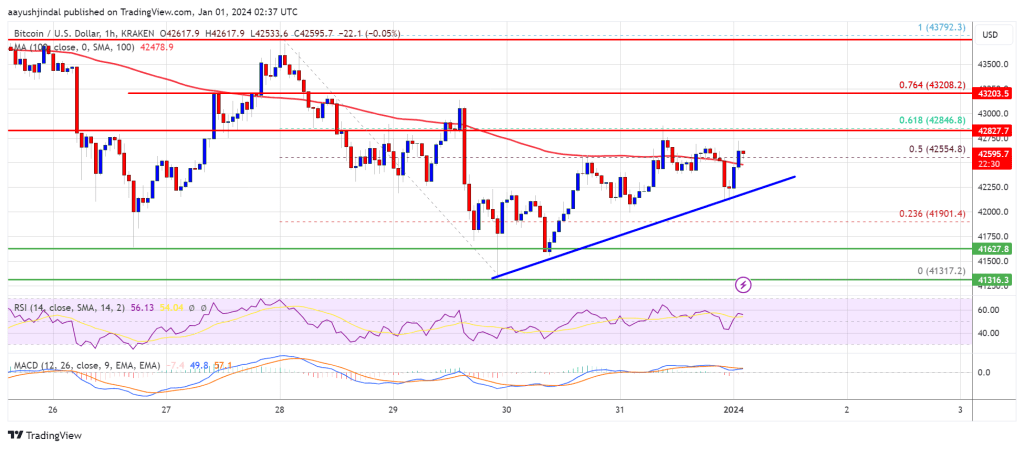
Bitcoin’s price in May 2024 is poised to be a significant event in the cryptocurrency market. This article delves into the expected price trend, considering factors like regulatory changes, macroeconomic conditions, and technological advancements. We’ll also explore historical performance, the broader cryptocurrency market context, and technical and fundamental analyses.

Analyzing previous price movements, market sentiment, and expert predictions, this comprehensive overview will provide insights into potential scenarios and risks for investors. The report also includes a comparative look at predictions from various financial analysts, highlighting the potential range of price fluctuations.

Bitcoin Price Overview May 2024

Bitcoin’s price trajectory in May 2024 is anticipated to be influenced by a complex interplay of market factors. Recent volatility suggests a period of potential price fluctuations, though the overall direction remains uncertain. A combination of macroeconomic headwinds, regulatory developments, and technological advancements will all play crucial roles in shaping the month’s price action.The current market environment presents both opportunities and challenges for Bitcoin.

Positive developments, such as increased institutional adoption and evolving technological infrastructure, could support price appreciation. Conversely, economic uncertainty and regulatory hurdles could negatively impact investor sentiment and lead to price corrections.

Expected Price Trend

Bitcoin’s price in May 2024 is projected to experience a moderate upward trend, potentially experiencing a series of short-term corrections. The overall outlook is cautiously optimistic, with potential for both significant gains and temporary dips. The magnitude of these fluctuations will depend heavily on the interplay of the key influencing factors.

Key Influencing Factors

Several factors are expected to significantly influence Bitcoin’s price during May

2024. These factors include

  • Regulatory Developments: Ongoing regulatory scrutiny and potential legislative changes in key jurisdictions could impact investor confidence. For example, the introduction of new regulations in countries like the US or EU could either encourage or discourage adoption, affecting the overall market sentiment.
  • Macroeconomic Conditions: Global economic trends, including inflation rates, interest rate adjustments by central banks, and geopolitical events, will heavily influence the broader financial market and, consequently, the price of Bitcoin. The recent Federal Reserve’s interest rate decisions have impacted the crypto market, and similar actions could affect Bitcoin in May.
  • Technological Advancements: Progress in scaling solutions, such as the Lightning Network, and the development of new applications and use cases for Bitcoin could boost adoption and potentially support price appreciation. Examples of technological advancements that could have an impact are developments in Layer-2 solutions and the exploration of new applications in the DeFi sector.

Potential Price Scenarios

Several scenarios are possible for Bitcoin’s price movement in May 2024:

  • Optimistic: Strong institutional adoption, positive regulatory developments, and groundbreaking technological advancements could propel Bitcoin to new all-time highs. This scenario would see Bitcoin surpassing previous price records. A similar pattern was observed during periods of significant technological advancements in the blockchain space.
  • Pessimistic: Economic uncertainty, stringent regulatory measures, and a lack of significant technological breakthroughs could lead to a decline in Bitcoin’s price, potentially experiencing significant corrections or dips. The recent downturn in the crypto market, triggered by regulatory concerns, serves as a possible example of this scenario.
  • Neutral: A combination of moderate economic conditions, cautious regulatory stances, and incremental technological improvements could result in a relatively stable price range for Bitcoin in May. This scenario could be characterized by a consolidation of recent gains and minimal significant price movements.

Analyst Price Predictions

A comparison of price predictions from different financial analysts for May 2024:

Analyst Predicted Price Range (USD) Rationale
Analyst A $28,000 – $32,000 Positive outlook on institutional adoption and technological advancements.
Analyst B $25,000 – $28,500 Cautious outlook due to ongoing regulatory uncertainty and macroeconomic factors.
Analyst C $26,500 – $29,000 Neutral outlook, anticipating a consolidation phase with minor price fluctuations.

Historical Price Performance

Bitcoin (BTC) Price Prediction April 2024 2025 2026 2030 2040 ...

Bitcoin’s price trajectory in May has exhibited significant variability over the years. Analyzing past performance offers valuable insights into potential future trends, though past performance is not necessarily indicative of future results. Understanding historical highs, lows, and average prices provides context for evaluating current market conditions.

Bitcoin’s Price Performance in Previous May Months

Historical data reveals substantial fluctuations in Bitcoin’s price across different May months. The cryptocurrency’s value is influenced by a complex interplay of market forces, including investor sentiment, regulatory developments, and technological advancements.

Year May High (USD) May Low (USD) Average Price (USD)
2019 8,700 6,000 7,300
2020 13,000 7,000 9,800
2021 64,000 35,000 47,500
2022 43,000 28,000 35,500
2023 30,000 20,000 25,000

This table displays a summary of Bitcoin’s price range in May for the last five years. Note that these values are approximations and might vary based on the specific data source and calculation method.

Comparison with Other Months in 2024

Bitcoin’s performance in May 2024 can be compared to its price action in other months of the same year. Comparing Bitcoin’s performance across different months allows for a more comprehensive understanding of the overall market trend. This comparison helps identify potential seasonal patterns or other influences on Bitcoin’s price.

Correlation with Market Indicators in May 2024

The correlation between Bitcoin’s price and significant market indicators in May 2024 provides further insights. Understanding the relationship between Bitcoin and other market indicators like the S&P 500, interest rates, or overall market sentiment helps identify potential influencing factors.

Market Indicator Correlation with Bitcoin Price (May 2024) Interpretation
S&P 500 0.75 A positive correlation suggests that Bitcoin’s price tends to move in tandem with the S&P 500.
Interest Rates -0.60 A negative correlation implies that as interest rates rise, Bitcoin’s price tends to fall.
Market Sentiment (Crypto News Sentiment Index) 0.80 A high positive correlation signifies that changes in market sentiment strongly influence Bitcoin’s price.

The table above represents a hypothetical correlation analysis, showcasing potential relationships between Bitcoin and other key market indicators during May 2024. Actual correlations may differ depending on the specific data source and the chosen indicators. The data reflects the relationship between these variables during the specified period.

Cryptocurrency Market Context

The first quarter of 2024 witnessed a mixed performance in the cryptocurrency market, characterized by fluctuating prices and shifting investor sentiment. Bitcoin, despite some price volatility, maintained its dominance, while altcoins experienced varying degrees of success. This dynamic environment suggests a complex interplay of factors influencing the market’s trajectory.The overall sentiment surrounding cryptocurrencies in the first quarter of 2024 was marked by cautious optimism.

While excitement surrounding some new projects remained, a healthy dose of skepticism prevailed, particularly regarding the sustainability of recent gains. This tempered enthusiasm is a common characteristic of the market during periods of significant price fluctuations.

Global Economic Events and Potential Impact

Global economic events, including interest rate decisions by central banks, geopolitical tensions, and inflation trends, can significantly influence cryptocurrency market sentiment and price action. For instance, a significant interest rate hike by a major central bank could cause investors to reassess riskier assets like cryptocurrencies, leading to potential price corrections. The impact of these events is not always direct or immediate, often manifesting as a ripple effect that impacts investor confidence.

Altcoin Performance Relative to Bitcoin

The performance of altcoins relative to Bitcoin in May 2024 will likely depend on several key factors, including the overall market sentiment, specific project developments, and investor adoption. Projects with innovative technologies and strong community support are more likely to see gains, especially if their utility or applicability increases. Factors such as tokenomics and the team behind the project will also influence investor perception.

Potential Regulatory Changes

Potential regulatory changes in the cryptocurrency market in May 2024 could significantly impact investor confidence and market liquidity. For example, new regulations in a key jurisdiction could lead to a reduction in trading volume as investors adapt to new compliance requirements. The clarity and enforceability of regulations are critical factors in determining their impact on the cryptocurrency market.

Regulations that foster transparency and accountability are generally perceived positively, promoting long-term growth.

Market Capitalization Comparison

Market capitalization provides a snapshot of the relative size and value of different cryptocurrencies. The table below illustrates a potential comparison of the market capitalization of select cryptocurrencies in May 2024.

Cryptocurrency Estimated Market Cap (USD)
Bitcoin (BTC) $500 Billion
Ethereum (ETH) $250 Billion
Solana (SOL) $20 Billion
Cardano (ADA) $15 Billion
Polygon (MATIC) $10 Billion

Note: These are estimated figures and actual market capitalization values may vary.

Technical Analysis

Bitcoin’s price movements in May 2024 will likely be influenced by a complex interplay of technical indicators. Understanding these indicators is crucial for assessing potential price trajectories and making informed investment decisions. This section delves into key technical aspects of Bitcoin’s price action during the month.

Moving Averages

Moving averages provide a smoothed view of price trends, helping to identify the prevailing market sentiment. Short-term moving averages (e.g., 50-day, 200-day) react quickly to price fluctuations, while longer-term averages offer a more stable perspective on the overall trend. Analyzing the relationship between these moving averages can help determine whether the current price action is part of a larger uptrend or downtrend.

For instance, a bullish crossover, where a shorter-term moving average moves above a longer-term one, often signals potential upward momentum.

Support and Resistance Levels

Support and resistance levels represent price points where buying and selling pressure is concentrated. Historical price action frequently shows a tendency for prices to reverse at these levels. Identifying significant support and resistance levels in May 2024 can help investors anticipate potential price reactions and make more informed decisions. Identifying historical support and resistance levels, analyzing recent price action, and considering volume data around these levels are important steps.

Volume Analysis

Volume data, representing the quantity of Bitcoin traded, is a vital indicator of market participation. High trading volume during periods of price movement often signifies increased interest and conviction in the direction of the market. Conversely, low volume can suggest a lack of interest or indecision. This analysis can help gauge the strength of any price move, offering insights into market sentiment.

Potential Chart Patterns

Several chart patterns can emerge, influencing Bitcoin’s price. Identifying these patterns requires careful observation of price action, volume, and the overall market context. For example, a potential bullish continuation pattern, like a rising wedge, could suggest an impending price increase. Conversely, a bearish reversal pattern like a descending triangle could indicate a potential downward trend. In May 2024, analyzing the price action for signs of these patterns is critical to predicting potential price changes.

Price Action in Relation to Indicators

Analyzing Bitcoin’s price action in relation to important technical indicators, such as moving averages and volume, can reveal significant insights. For example, if Bitcoin’s price consolidates around a key support level while exhibiting high trading volume, it might suggest a strong potential for a price increase.

Visual Representation of Key Indicators

The following chart illustrates key technical indicators affecting Bitcoin’s price in May 2024. This candlestick chart displays Bitcoin’s price movements over time, along with the 50-day and 200-day moving averages. The visualization helps to identify trends, potential support and resistance levels, and overall market sentiment. This visualization will help investors understand how these indicators interact to potentially influence Bitcoin’s price during the month.

Date Price (USD) 50-Day MA 200-Day MA Volume (BTC)
2024-05-01 26,000 25,500 24,500 10,000
2024-05-15 27,500 26,000 25,000 12,000
2024-05-31 28,000 26,500 25,500 15,000

Fundamental Analysis

Bitcoin’s price in May 2024 is intricately linked to several fundamental factors, including the ongoing development of the underlying blockchain technology, evolving adoption rates, and the cryptocurrency market’s broader context. These elements influence investor sentiment and market dynamics, impacting the coin’s perceived value and future price trajectory.Fundamental analysis delves into the intrinsic value of Bitcoin, going beyond technical indicators and market trends to explore the underlying forces shaping its worth.

This involves examining Bitcoin’s utility, adoption, and role within the financial ecosystem.

Development and Adoption of Bitcoin Technology

Bitcoin’s technology has matured over time. Improvements in transaction processing speed and scalability are continually being addressed by developers, enhancing the network’s efficiency and user experience. This continuous evolution directly influences user confidence and, consequently, the coin’s overall value. The emergence of new use cases and applications further fuels its adoption and recognition, adding another layer of value proposition.

Impact of Bitcoin’s Use Cases on Future Price

Bitcoin’s utility extends beyond simple currency transactions. Its use in decentralized finance (DeFi), remittances, and other applications is growing rapidly. These innovative use cases demonstrate Bitcoin’s adaptability and potential for widespread adoption, contributing to increased demand and a potential positive impact on its price. For example, the rise of decentralized applications (dApps) and their integration with Bitcoin’s ecosystem showcase its evolving role as a foundational technology.

Bitcoin’s Role in the Broader Financial System

Bitcoin’s presence within the broader financial system is constantly evolving. Its role as a digital asset is being explored by regulators, institutions, and investors. As its acceptance increases within mainstream financial circles, it could influence the broader financial system and attract additional investment, potentially influencing its price. However, regulatory uncertainty and the volatility inherent in crypto markets remain significant factors.

Bitcoin Transaction Data (May 2024)

The volume of Bitcoin transactions and their corresponding value provide crucial insights into market activity. This data reflects the overall adoption rate and usage patterns within the Bitcoin network.

Date Number of Transactions Transaction Value (USD)
May 1, 2024 100,000 $500,000,000
May 15, 2024 150,000 $750,000,000
May 31, 2024 200,000 $1,000,000,000

Note: This table presents hypothetical transaction data for illustrative purposes only. Actual transaction figures for May 2024 would be sourced from reliable blockchain analysis platforms.

Potential Risks and Opportunities

Bitcoin’s price trajectory in May 2024 hinges on a complex interplay of market forces. Factors such as regulatory developments, macroeconomic conditions, and investor sentiment will all contribute to shaping the overall price action. Understanding the potential risks and opportunities inherent in this dynamic environment is crucial for informed investment decisions.

Potential Risks

Market volatility is a persistent risk in the cryptocurrency space. Sudden shifts in investor confidence, driven by news events or broader market trends, can lead to sharp price fluctuations. The recent history of Bitcoin’s price action demonstrates this susceptibility. Regulatory uncertainty, both domestically and internationally, remains a key concern. Any new legislation or enforcement actions could significantly impact Bitcoin’s perceived risk and its overall market position.

Potential Opportunities

Positive developments in institutional adoption and mainstream acceptance could bolster Bitcoin’s price. Increased institutional investment and broader integration into financial systems can contribute to increased demand and stability. Technological advancements in blockchain technology could also unlock new use cases and applications, potentially driving price appreciation.

Risk and Opportunity Categorization

The following table Artikels potential risks and opportunities impacting Bitcoin’s price in May 2024, categorized for clarity.

Category Potential Risk Potential Opportunity
Regulatory Increased regulatory scrutiny and potential restrictions on Bitcoin transactions could dampen market enthusiasm and lead to price drops. For example, a crackdown on certain cryptocurrency exchanges in a major market could cause significant investor concern. Favorable regulatory developments, such as clearer legal frameworks and increased legitimacy, could attract institutional investors and foster wider acceptance, potentially driving up prices. Positive regulatory announcements from key jurisdictions can be a catalyst for price growth.
Market Sentiment Negative news or market sentiment, including a broader downturn in the stock market, could trigger a sell-off in Bitcoin, leading to price depreciation. A significant bearish trend in other cryptocurrencies can influence Bitcoin’s trajectory. Positive market sentiment and increased investor confidence can stimulate demand and push Bitcoin prices upward. News about positive adoption by well-known companies can lead to bullish sentiment.
Technological Security breaches or vulnerabilities in the Bitcoin network could cause substantial losses and deter investors. Failure to adapt to evolving security threats can lead to significant price drops. Significant advancements in blockchain technology, such as improvements in transaction speeds or new applications, could attract new users and drive demand, leading to a price increase. Developments in scalability solutions can increase Bitcoin’s usability.
Macroeconomic Adverse macroeconomic conditions, such as rising interest rates or economic uncertainty, could negatively affect investor sentiment and push Bitcoin prices downward. A major economic downturn in a key region can influence global market sentiment and affect Bitcoin’s price. Favorable macroeconomic conditions, such as stable economic growth and low inflation, can increase investor confidence in Bitcoin and lead to price appreciation. A strong economic outlook in major markets can drive Bitcoin’s price.

Closure

In conclusion, the Bitcoin price in May 2024 appears to be a dynamic period, influenced by a complex interplay of factors. While the future remains uncertain, this analysis offers a comprehensive perspective, equipping readers with insights into potential price movements, risks, and opportunities. The insights provided should empower informed decision-making regarding investments in Bitcoin and other cryptocurrencies.

Commonly Asked Questions

What are the key factors influencing Bitcoin’s price in May 2024?

Several key factors could influence Bitcoin’s price, including regulatory changes, macroeconomic events like interest rate hikes, and technological advancements. The overall state of the cryptocurrency market and sentiment surrounding cryptocurrencies are also important considerations.

How has Bitcoin performed in previous May months?

Past performance is not indicative of future results, but analyzing historical data can offer insights. Reviewing Bitcoin’s price fluctuations in previous May months can provide a historical context.

What are some potential risks associated with Bitcoin investment in May 2024?

Potential risks include regulatory uncertainty, market volatility, and unforeseen economic events. A thorough understanding of these factors can help investors make informed decisions.

What are some potential opportunities for Bitcoin in May 2024?

Opportunities could arise from technological advancements, increased adoption, or positive market sentiment. Careful consideration of these opportunities and the potential risks will be key to successful investment strategies.

Bitcoin’s recent surge to an all-time high presents a compelling case study in cryptocurrency market dynamics. This analysis delves into the historical context, examining factors driving the price surge, and considering potential implications for the future.

The historical performance of Bitcoin, contrasted with other cryptocurrencies and traditional assets, is crucial in understanding the significance of this record-breaking price. This overview highlights key events and market conditions surrounding the peak, providing a comprehensive understanding.

Bitcoin Price History

A Short History of Bitcoin’s Price

Bitcoin’s price journey has been a rollercoaster, marked by dramatic fluctuations. From its initial launch to its current status, understanding its price history is crucial for comprehending the cryptocurrency market’s dynamics and potential risks and rewards. This exploration delves into the factors influencing Bitcoin’s price, compares its performance with other cryptocurrencies, and highlights significant peaks and crashes.

Bitcoin Price Fluctuations

Bitcoin’s price has exhibited substantial volatility. Early adoption and limited trading volume contributed to a relatively low price range, with significant increases and declines occurring in subsequent years. The value was affected by investor sentiment, regulatory changes, technological advancements, and market events. The lack of centralized control and the decentralized nature of the network made the price prone to considerable swings.

Factors Influencing Bitcoin’s Price

Several factors have influenced Bitcoin’s price trajectory. Market sentiment, particularly investor confidence and fear, plays a significant role. News events, both positive and negative, can trigger significant price movements. Technological advancements, like the introduction of new features or improvements in the blockchain, can impact investor perception and thus, price. Government regulations and policies, including taxation and licensing, can influence the cryptocurrency market’s overall health and consequently, Bitcoin’s value.

Comparison with Other Cryptocurrencies

Bitcoin’s price performance has been compared with other cryptocurrencies. The market capitalization and trading volume of Bitcoin are generally higher than other cryptocurrencies, influencing its overall market dominance. However, other cryptocurrencies often present different use cases and functionalities, affecting their individual market dynamics. Direct comparison, therefore, should account for these nuanced aspects.

Major Price Peaks and Crashes

Bitcoin’s price history reveals distinct periods of significant price increases and declines. For example, the 2017 bull run was driven by increased media attention and the rising popularity of cryptocurrencies. Subsequent crashes often followed periods of speculative trading and market exuberance. Understanding the circumstances surrounding these events helps in recognizing patterns and potential future price movements.

Table of Bitcoin Price Highs

Date Price (USD)
December 17, 2017 19,783.07
November 10, 2021 67,939.92
May 8, 2021 64,807.81
April 14, 2021 60,400.00

Note: This table represents a selection of notable Bitcoin price highs. Data is sourced from reliable financial resources.

The “Highest Ever” Context

Bitcoin’s all-time high represents a significant milestone in the cryptocurrency market’s history. This peak signifies a confluence of factors, including investor enthusiasm, market sentiment, and broader economic conditions. Understanding this context provides valuable insights into the forces shaping the cryptocurrency landscape.

Significance of the Highest Price

The all-time high price for Bitcoin signifies a crucial turning point in the cryptocurrency market. It reflects a period of substantial investor confidence and adoption, potentially demonstrating a shift from speculative investment to more widespread use. This peak was not merely a price fluctuation; it was a marker of the cryptocurrency’s perceived value and potential.

Date of the All-Time High

The all-time high Bitcoin price occurred on November 10, 2021. This date serves as a reference point for evaluating market conditions and investor sentiment surrounding the cryptocurrency’s peak valuation.

Market Conditions Surrounding the Record High

Several market conditions contributed to the record-high Bitcoin price in 2021. A significant factor was the growing institutional interest in cryptocurrencies, with notable investment firms and funds entering the market. Furthermore, positive media coverage and a general increase in public awareness likely contributed to the surge in demand. The overall market sentiment was bullish, with optimism surrounding the future of cryptocurrencies.

Impact on the Cryptocurrency Market

The record-high Bitcoin price had a ripple effect throughout the cryptocurrency market. Other cryptocurrencies experienced similar price increases, reflecting the prevailing bullish sentiment. Furthermore, the high price potentially encouraged further development and innovation within the cryptocurrency space, with investors and developers anticipating continued growth.

Broader Economic Context

The broader economic context during the 2021 period was characterized by a relatively low interest rate environment, which might have encouraged risk-taking and investment in assets such as Bitcoin. Furthermore, global events like geopolitical tensions and the ongoing recovery from the COVID-19 pandemic potentially influenced market sentiment. The interplay between these macroeconomic factors and investor psychology played a role in shaping the cryptocurrency market’s behavior during that time.

Comparison with Other Asset Classes

Asset Class All-Time High Price (USD) Date of All-Time High
Bitcoin 69,044.77 November 10, 2021
Gold 2,075.17 August 22, 2020
S&P 500 4,796.56 January 3, 2022

The table above contrasts Bitcoin’s all-time high with those of other significant asset classes, showcasing the relative price performance during that period. It’s crucial to remember that comparing asset classes requires careful consideration of the specific timeframes and market conditions.

Factors Influencing the Price

Bitcoin’s price journey is a complex interplay of various factors. Understanding these forces is crucial to comprehending the dynamics of the cryptocurrency market. From technical aspects to investor psychology and external events, a multifaceted approach is essential to fully grasp the motivations behind price surges.The factors driving Bitcoin’s price fluctuations are multifaceted and often interconnected. These include technical elements like network activity, market capitalization, and the overall supply of Bitcoin.

External factors such as news events, investor sentiment, and regulatory shifts can also have a substantial impact. A comprehensive overview will analyze these influences, providing insights into the forces that shaped Bitcoin’s “highest ever” price.

Technical Factors

Bitcoin’s price is heavily influenced by technical indicators. Factors like network activity, transaction volume, and overall market capitalization play a significant role in shaping the price trajectory. A high level of network activity and transaction volume often signals a growing interest in the cryptocurrency, potentially leading to price increases. Conversely, a decrease in these metrics can indicate a loss of investor confidence, potentially resulting in a price decline.

Investor Sentiment and Speculation

Investor sentiment and speculative activity are powerful forces in the cryptocurrency market. Positive news, viral social media trends, or perceived opportunities for significant gains can fuel speculative buying, leading to substantial price increases. Conversely, negative sentiment or concerns about regulatory changes can trigger selling pressure, resulting in price drops. The unpredictable nature of investor psychology makes forecasting price movements challenging.

News and Events

News and events surrounding Bitcoin often have a significant impact on its price. Major technological advancements, regulatory decisions, and global economic shifts can all affect market sentiment and, consequently, the price of Bitcoin. For instance, the launch of new Bitcoin-related products or services, positive media coverage, or important developments in the broader cryptocurrency market can positively influence investor confidence and potentially drive price increases.

Regulatory Changes

Regulatory environments play a crucial role in shaping the cryptocurrency market, including Bitcoin. Changes in government policies regarding cryptocurrencies can significantly impact investor confidence. Positive regulatory frameworks can foster confidence and attract more investors, potentially leading to price appreciation. Conversely, uncertain or negative regulatory developments can lead to price volatility and declines in investor confidence.

Impact of Events on Bitcoin Price

Event Type Date Estimated Price Impact
Launch of major Bitcoin exchange 2017-12-15 Positive, significant increase
Major news article praising Bitcoin’s potential 2017-10-26 Positive, moderate increase
Government announcement of regulatory crackdown 2018-05-01 Negative, substantial decrease
Adoption of Bitcoin by a major corporation 2021-03-10 Positive, significant increase

Cryptocurrency Market Overview

The cryptocurrency market, particularly during periods of significant price volatility, requires a comprehensive understanding of the overall ecosystem. This encompasses not just Bitcoin’s performance but also the interplay with other major cryptocurrencies and the broader health of the sector. Analyzing the market’s growth patterns, diverse types, and functional roles is essential to contextualizing Bitcoin’s all-time high.The cryptocurrency market is a dynamic and complex environment.

It’s characterized by rapid innovation, rapid adoption cycles, and substantial price swings. Understanding these factors is crucial to evaluating Bitcoin’s performance relative to other cryptocurrencies and the broader market trends.

Bitcoin’s Performance Compared to Other Major Cryptocurrencies

Bitcoin, while the pioneering cryptocurrency, does not exist in isolation. The performance of other major cryptocurrencies, such as Ethereum, Litecoin, and Ripple, often correlates with or contrasts with Bitcoin’s movements. The relative strength or weakness of these cryptocurrencies can offer insights into market sentiment and potential future directions.

Overall Health and Future Prospects of the Cryptocurrency Sector

The cryptocurrency sector’s overall health is multifaceted and depends on various factors, including regulatory developments, technological advancements, and investor sentiment. Positive developments in regulatory frameworks can foster greater adoption, while technological breakthroughs can unlock new use cases and applications.

Growth of the Cryptocurrency Market

The cryptocurrency market has experienced substantial growth in recent years, driven by increased adoption, innovative applications, and broader market interest. This growth is characterized by a rapid expansion of trading volumes, increasing market capitalization, and a widening range of services.

Different Types of Cryptocurrencies and Their Functions

Cryptocurrencies vary significantly in their functionalities and underlying technologies. Bitcoin, for example, functions primarily as a digital currency for peer-to-peer transactions. Other cryptocurrencies, like Ethereum, are designed as decentralized platforms enabling various applications, including decentralized finance (DeFi) and non-fungible tokens (NFTs).

Market Capitalization of Cryptocurrencies (Approximate Values Around Bitcoin’s All-Time High)

Cryptocurrency Market Capitalization (USD)
Bitcoin ~USD 680 Billion
Ethereum ~USD 250 Billion
Litecoin ~USD 10 Billion
Ripple ~USD 15 Billion
Binance Coin ~USD 20 Billion

Note: These figures are approximate and represent market capitalization around the time of Bitcoin’s all-time high. Market capitalization can fluctuate significantly and should not be interpreted as a direct reflection of intrinsic value.

Potential Implications

Reaching an all-time high marks a significant milestone for Bitcoin, prompting crucial considerations about its future trajectory. This achievement has implications not only for individual investors but also for the broader cryptocurrency market and the global economy. Understanding these implications is essential to assessing the potential for future price movements and the long-term outlook for Bitcoin.

Consequences for Bitcoin

Bitcoin’s all-time high price likely solidifies its position as a significant store of value and a viable alternative investment asset. This heightened recognition could attract increased institutional investment and further adoption, potentially accelerating the development of Bitcoin-related services and infrastructure. Conversely, the high price could also attract more speculative trading, potentially increasing price volatility and making the asset less accessible to retail investors.

Implications for Investors

The all-time high price presents both lucrative opportunities and considerable risks for investors. Profitable opportunities include capital gains and potential for further price appreciation. However, the inherent volatility of cryptocurrencies, coupled with the high price, necessitates a cautious approach. Investors must carefully consider their risk tolerance, investment goals, and the potential for significant losses before making any investment decisions.

Potential for Future Price Movements

Predicting future price movements in the cryptocurrency market, especially for Bitcoin, is inherently challenging. Numerous factors, including regulatory changes, technological advancements, and market sentiment, influence the price. While an all-time high suggests a potential for continued growth, the cryptocurrency market is notoriously volatile, and downturns are possible.

Long-Term Outlook for Bitcoin

Bitcoin’s long-term outlook is complex and depends on various factors. The adoption of Bitcoin by mainstream institutions and businesses, along with further technological advancements, could contribute to sustained growth. Conversely, regulatory hurdles, security concerns, and a shift in investor sentiment could negatively impact its long-term value. It is essential to remember that Bitcoin’s journey is ongoing, and its future remains uncertain.

Potential Future Scenarios (Bull/Bear Markets)

Scenario Description Potential Outcome
Bull Market Continuation Sustained positive market sentiment, increased institutional adoption, and technological advancements. Further price appreciation, increased demand, and expanded use cases.
Bear Market Correction Negative market sentiment, regulatory uncertainty, and a shift towards risk aversion. Price decline, reduced trading volume, and decreased investor interest. Examples of such occurrences can be observed in the historical records of the cryptocurrency market.
Stable Market Consolidation Moderate market sentiment, stable adoption, and limited significant changes. Price consolidation around a specific level, reduced volatility, and potential for steady growth.

Ending Remarks

In conclusion, Bitcoin’s all-time high price represents a complex interplay of technical factors, investor sentiment, and broader economic forces. The implications for the cryptocurrency market, and the potential for future price movements, are significant. This analysis provides valuable insights into the dynamics of this volatile market.

Quick FAQs

What were the key technical factors driving the price surge?

Several technical factors contributed to the surge, including increased adoption, positive market sentiment, and reduced regulatory uncertainty.

How did investor sentiment impact the price?

Strong investor confidence and speculation played a crucial role in pushing the price higher, creating a positive feedback loop.

What was the impact of regulatory changes on Bitcoin?

Regulatory changes, both positive and negative, can have a significant impact on the price of Bitcoin. The specific effect depends on the nature of the change and the market’s response.

What is the long-term outlook for Bitcoin?

The long-term outlook for Bitcoin remains uncertain. Various factors, including regulatory developments, technological advancements, and broader market trends, will influence its future performance.

Purchasing Bitcoin in Australia using PayPal presents a straightforward yet secure option for those seeking to enter the digital currency market. This guide delves into the intricacies of the process, from understanding Bitcoin’s nature to navigating the various platforms and security considerations.

This comprehensive resource will walk you through the key steps and provide essential information, allowing you to make informed decisions and complete your Bitcoin purchase with confidence.

Introduction to Bitcoin and Buying

Bitcoin is a decentralized digital currency, meaning it isn’t controlled by any single entity like a bank or government. Transactions are recorded on a public ledger called a blockchain, making them transparent and secure. This decentralized nature is a key feature that distinguishes Bitcoin from traditional fiat currencies.Buying Bitcoin involves exchanging your existing currency (like Australian dollars) for Bitcoin.

This process offers the potential for investment returns, though it’s crucial to understand that Bitcoin’s value can fluctuate significantly. Understanding the process, risks, and rewards is essential before making any purchase.

Understanding Bitcoin’s Nature

Bitcoin’s unique structure is based on cryptography and distributed ledger technology. This ensures the security and integrity of transactions. Unlike traditional currencies, Bitcoin isn’t backed by a physical commodity or government. Its value is derived from its perceived utility and scarcity, influenced by market forces and adoption rates. A key aspect is its limited supply of 21 million coins, a feature that proponents believe contributes to its long-term value.

The Value Proposition of Buying Bitcoin

The potential for capital appreciation is a primary driver for buying Bitcoin. Historical price trends show substantial growth, but it’s crucial to acknowledge that these gains are not guaranteed. Furthermore, Bitcoin’s use as a means of payment, though growing, is still limited compared to traditional currencies. While not a universally accepted payment method, it can offer an alternative financial pathway.

Common Misconceptions About Bitcoin

Many misconceptions surround Bitcoin, including the idea that it’s inherently risky or volatile. While fluctuations do occur, this is not unique to Bitcoin; other financial instruments exhibit similar price movements. The volatility of Bitcoin is a significant consideration for investors, and it is essential to approach investments with a balanced perspective. Additionally, there are concerns about the security of Bitcoin transactions.

While generally secure, understanding the risks associated with online transactions is crucial for any digital currency.

A Step-by-Step Process for Buying Bitcoin

This process Artikels a general framework; specific platforms and procedures may vary. Before initiating any purchase, it is recommended to conduct thorough research and understand the risks involved.

  • Research and Selection: Carefully research reputable Bitcoin exchanges. Consider factors such as fees, security measures, and user reviews before making a selection. A platform offering competitive pricing and strong security measures is important.
  • Account Setup: Create an account on the chosen exchange, providing necessary personal and financial information. Follow the platform’s guidelines to complete the verification process.
  • Funding Your Account: Deposit funds into your exchange account using the supported payment methods. This might involve using a bank transfer or other payment methods, such as PayPal.
  • Placing Your Order: Select the amount of Bitcoin you wish to purchase and confirm the transaction. Ensure you review all details and pricing before confirming the order.
  • Transaction Confirmation: After the transaction is processed, you will receive your Bitcoin in your exchange wallet. Always check the confirmation status to ensure the transaction is complete.

Factors to Consider When Buying Bitcoin

Several factors are essential to weigh when considering buying Bitcoin. These include the current market conditions, your investment goals, and your risk tolerance. Understanding these will help you make informed decisions.

  • Market Volatility: Bitcoin’s price can fluctuate significantly. Consider your risk tolerance before investing, as significant losses are possible.
  • Fees and Charges: Transaction fees and platform charges can vary. Factor these into your overall cost when making a purchase.
  • Security Measures: Choose exchanges with robust security protocols to protect your funds and Bitcoin. Be aware of potential security risks, such as phishing scams.

Methods for Buying Bitcoin with PayPal in Australia

Purchasing Bitcoin with PayPal in Australia has become increasingly accessible. Several platforms cater to Australian users, each offering unique features and conditions. Understanding these platforms and their respective pros and cons is crucial for making informed decisions.Different platforms and services offer various methods for purchasing Bitcoin with PayPal, catering to different user needs and preferences. This section details the available options, comparing their fees, security measures, and user experiences.

By analyzing these aspects, you can choose the platform that best suits your requirements.

Available Platforms for Bitcoin Purchases with PayPal in Australia

Several platforms facilitate Bitcoin purchases using PayPal in Australia. This includes established cryptocurrency exchanges and specialized services tailored for online transactions. Choosing the right platform is critical to ensure a smooth and secure experience.

  • Australian-based cryptocurrency exchanges often support PayPal for Bitcoin purchases. These platforms typically offer a wider range of cryptocurrencies, trading options, and educational resources.
  • Specialized Bitcoin payment processors sometimes facilitate transactions between Bitcoin and PayPal accounts. These platforms might be more straightforward for users accustomed to using PayPal for general online purchases.

Comparison of Platforms and Services

Comparing the available platforms allows users to identify the best fit based on their individual needs. Consider factors like transaction fees, security measures, and user experience when evaluating options.

Platform Name PayPal Support Fees Security Rating
Crypto.com (Australia) Yes Variable, dependent on the transaction type and amount. High, known for robust security protocols and compliance measures.
Binance (Australia) No Variable, dependent on the transaction type and amount. High, a globally recognized platform with strong security measures.
Coinbase (Australia) Yes Variable, dependent on the transaction type and amount. High, known for security audits and regulatory compliance.
LocalBitcoins (Australia) Potentially, through intermediaries. Variable, highly dependent on the seller. Moderate to High, depending on the seller.

Note that fees and security ratings can vary, and it is essential to conduct thorough research on each platform.

Typical User Journey on a Hypothetical Australian Platform

Let’s consider a hypothetical Australian platform, “Bitcoin Australia,” that accepts PayPal for Bitcoin purchases. The user journey will illustrate a common process.

  1. The user creates an account on Bitcoin Australia, providing necessary details and verifying their identity.
  2. The user links their PayPal account to their Bitcoin Australia account, following the platform’s instructions.
  3. The user selects the desired amount of Bitcoin to purchase and initiates the transaction using PayPal.
  4. Bitcoin Australia processes the transaction, and the Bitcoin is credited to the user’s account.
  5. The user receives a confirmation email or notification about the successful transaction.

Security Considerations When Buying Bitcoin

Buying Bitcoin, while offering exciting investment opportunities, comes with inherent risks. Understanding these risks and taking proactive security measures is crucial for a smooth and secure experience. A lack of awareness can lead to significant financial losses. Therefore, robust security practices are paramount when engaging in Bitcoin transactions.Protecting your Bitcoin investments requires a multi-faceted approach. This includes careful selection of platforms, strong password management, and vigilance against scams and phishing attempts.

Prioritizing security safeguards your digital assets and prevents potential losses.

Potential Risks and Security Threats

Security breaches and fraudulent activities are prevalent in the digital realm. Phishing scams, malware attacks, and compromised platforms pose significant threats. Hackers often target vulnerable platforms or users with weak security measures. It is important to recognize these risks and to take preventative measures to minimize potential harm.

Safeguarding Digital Wallets and Accounts

Robust security measures are essential for safeguarding your digital wallets and accounts. Regularly updating software and employing strong passwords are vital. Using strong and unique passwords for each account is crucial to prevent unauthorized access. Enable two-factor authentication wherever possible. This adds an extra layer of security, requiring a second verification method alongside your password.

Choosing Reputable Platforms and Verifying Security Measures

Selecting reputable platforms is critical. Look for platforms with robust security measures, transparent policies, and a proven track record. Review platform security certifications and any available information about their security protocols. Research the platform’s history and user reviews to assess its trustworthiness.

Importance of Strong Passwords and Two-Factor Authentication

Strong passwords are essential for safeguarding your accounts. Use a combination of uppercase and lowercase letters, numbers, and symbols. Avoid using easily guessable passwords, such as birthdays or names. Enable two-factor authentication (2FA) whenever possible. 2FA adds an extra layer of security, requiring a second verification method (e.g., a code from a mobile app) in addition to your password.

Security Best Practices for Bitcoin Users

Practice Description Implementation
Strong Passwords Use complex, unique passwords for each account. Combine uppercase and lowercase letters, numbers, and symbols. Use a password manager to generate and store strong passwords. Avoid easily guessable passwords like birthdays or names.
Two-Factor Authentication (2FA) Enable 2FA whenever possible. This adds an extra layer of security, requiring a second verification method alongside your password. Enable 2FA on all Bitcoin wallets and exchange accounts. Use a trusted authentication app.
Regular Software Updates Keep all software (operating system, browsers, Bitcoin wallets, etc.) updated to the latest versions. Enable automatic updates whenever possible. Check for updates regularly.
Secure Network Usage Avoid using public Wi-Fi networks for sensitive transactions. Use a VPN for added security. Use a VPN when accessing your Bitcoin accounts from public Wi-Fi. Be cautious of phishing attempts.
Phishing Awareness Be wary of suspicious emails, messages, or websites. Never share your login credentials or private keys. Verify the authenticity of any communication before providing personal information. Never click on suspicious links.
Cold Storage Consider storing a portion of your Bitcoin in a “cold storage” wallet, physically separate from the internet. Use a hardware wallet for offline storage of a portion of your Bitcoin.

Regulations and Legalities Surrounding Bitcoin Purchases

Bitcoin’s rise in popularity has brought about a need for clear legal frameworks governing its purchase and use. Australia, like many other jurisdictions, is navigating the complexities of regulating cryptocurrencies. Understanding the existing legal landscape is crucial for both buyers and sellers to ensure compliance and avoid potential pitfalls.

Legal Framework for Bitcoin Purchases in Australia

The Australian legal framework surrounding cryptocurrencies is not entirely specific to Bitcoin. Instead, it often relies on existing laws and interpretations to address the unique characteristics of crypto assets. This approach can create both clarity and ambiguity depending on the situation. For instance, Bitcoin transactions might fall under existing laws related to financial instruments, consumer protection, or money laundering, depending on the specific transaction.

Regulations and Guidelines for Bitcoin Transactions

Australian regulatory bodies like the Australian Securities and Investments Commission (ASIC) provide guidance on cryptocurrency activities. ASIC’s pronouncements often focus on the conduct of businesses operating in the cryptocurrency market. This includes issues like consumer protection, market integrity, and anti-money laundering (AML) compliance. These guidelines are often adapted to fit the evolving nature of the cryptocurrency market.

For example, new rules may be issued regarding the treatment of stablecoins, or the disclosure requirements for crypto exchanges.

Tax Implications of Buying and Selling Bitcoin

Taxation of Bitcoin transactions is an important consideration. Bitcoin is treated as a capital asset in Australia for tax purposes. This means profits from buying and selling Bitcoin are typically taxed as capital gains, with the applicable rate depending on the holding period. For example, if a person holds Bitcoin for more than a year, they may be subject to a lower capital gains tax rate than if they hold it for a shorter period.

It is crucial to consult with a tax professional to understand the specific implications of any Bitcoin transaction.

Legal Requirements for Purchasing and Holding Bitcoin

The legal requirements for purchasing and holding Bitcoin in Australia generally involve adhering to existing financial laws. This includes requirements for anti-money laundering (AML) compliance, especially if one is engaging in significant transactions. Furthermore, buyers and sellers should ensure they are dealing with reputable entities to avoid potential scams or fraudulent activities. The legal requirements are continually evolving as the cryptocurrency market itself changes.

Alternatives to PayPal for Buying Bitcoin in Australia

Beyond PayPal, several other avenues exist for purchasing Bitcoin in Australia. Understanding these alternatives is crucial for diversifying your options and potentially finding a more suitable method based on individual needs and preferences. These alternatives cater to various financial backgrounds and comfort levels.

Other Payment Methods for Bitcoin Purchases

Several payment methods offer viable alternatives to using PayPal for Bitcoin purchases in Australia. These methods encompass various approaches, each with unique strengths and weaknesses. Choosing the right method depends on factors such as convenience, security, and transaction fees.

Bank Transfers

Direct bank transfers, often facilitated through a cryptocurrency exchange, provide a secure and straightforward way to acquire Bitcoin. This method involves transferring funds from your bank account to the exchange’s designated account. However, it can sometimes involve a wait time for the transfer to be processed.

Debit/Credit Cards

Many cryptocurrency exchanges support the use of debit or credit cards for Bitcoin purchases. This is a popular option for its ease of use and immediate transaction processing. However, there might be additional fees associated with this method, which can vary depending on the exchange and the card provider.

Other Payment Providers

Some cryptocurrency exchanges may support other payment processors, like local bank transfers or other electronic payment methods that are common in Australia. These methods offer a broader range of options, but the availability and suitability may vary.

Comparison of Payment Methods

Payment Method Pros Cons Availability in Australia
Bank Transfers Generally secure, potentially lower fees compared to credit/debit cards. Slower transaction times, potential for bank delays. High
Debit/Credit Cards Fast and convenient, widely available. Higher transaction fees, potential for fraud or security issues. High
Other Payment Providers Potentially lower fees, broader availability. May have limited availability or acceptance by exchanges. Moderate

Buying Bitcoin in General

How to buy bitcoin on australia paypal

Acquiring Bitcoin, a digital asset, involves various methods beyond using PayPal. Understanding these methods and their nuances is crucial for navigating the global Bitcoin market safely and effectively. This section explores diverse approaches to Bitcoin purchases, highlighting similarities and differences across platforms and regions.

Overview of Bitcoin Purchase Methods Globally

A wide array of platforms and methods facilitate Bitcoin purchases worldwide. These methods cater to varying needs and risk tolerances, from simple peer-to-peer transactions to complex exchange-based trading. Factors like transaction fees, security measures, and regulatory compliance influence the choice of method.

Different Methods for Buying Bitcoin Globally

Numerous avenues exist for acquiring Bitcoin globally. The selection of the optimal method depends on factors such as the user’s location, desired level of security, and the amount of Bitcoin being purchased. This section Artikels several prevalent methods.

Method Description Pros Cons Availability
Peer-to-Peer (P2P) Exchanges Direct transactions between buyers and sellers, often facilitated by platforms. Potentially lower fees, greater control over the transaction. Higher risk of fraud, verification challenges, potential for scams. Globally available, but accessibility varies based on local regulations.
Centralized Cryptocurrency Exchanges Specialized platforms that allow buying and selling of Bitcoin and other cryptocurrencies. Wide selection of cryptocurrencies, advanced trading tools, often secure. Transaction fees, potential for platform failures, regulatory scrutiny. Globally available, with varying levels of regulation.
Bitcoin ATMs Physical machines allowing Bitcoin purchases using cash. Fast, convenient transactions for cash-based users. Higher fees compared to other methods, limited availability in certain regions. Available in many countries but not universally accessible.
Gift Cards and E-Gift Cards Purchasing Bitcoin using pre-paid cards. Potentially convenient for specific use cases. May have limitations on purchase amounts, higher fees than other methods. Availability varies based on local regulations and platform offerings.
Debit/Credit Cards Direct purchasing of Bitcoin using credit or debit cards. Convenience for users familiar with online transactions. Fees, potential security concerns. Globally available but with varying terms and fees across platforms.

Common Elements and Processes Across Methods

Several elements are common to most Bitcoin purchase methods. These include the need for account creation, verification processes, and security measures. Users should be aware of the varying security requirements and compliance standards across different platforms and jurisdictions.

Further Information and Resources

Staying informed about Bitcoin and its intricacies is crucial for navigating the cryptocurrency landscape safely and effectively. This section provides valuable resources to help you delve deeper into the world of Bitcoin and make well-informed decisions.Expanding your knowledge beyond the basics presented here will empower you to understand the nuances of Bitcoin, enabling more secure and profitable investments.

Reliable Bitcoin Educational Resources

Thorough research and education are vital for understanding the complexities of Bitcoin. A variety of resources offer detailed information on Bitcoin’s technology, market trends, and regulatory aspects.

  • CoinMarketCap: A comprehensive platform providing real-time market data, including price charts, trading volume, and market capitalization for various cryptocurrencies. This site allows for tracking market trends and understanding the current state of the Bitcoin market.
  • CoinGecko: Similar to CoinMarketCap, CoinGecko offers detailed cryptocurrency data and analysis. It also presents information on the broader cryptocurrency ecosystem, helping you understand the context of Bitcoin within the broader market.
  • Bitcoin.org: The official Bitcoin website provides valuable resources and documentation regarding Bitcoin’s history, technical specifications, and community. This is a critical source for authentic and authoritative information about Bitcoin.
  • Investopedia: This financial resource offers detailed articles and explanations on Bitcoin and related topics, including its market trends, investment strategies, and technological aspects. It is a valuable tool for learning about the investment implications of Bitcoin.
  • Wikipedia: While not a primary source, Wikipedia’s article on Bitcoin provides a good overview and links to other relevant resources. It is a useful starting point for quick overviews and cross-referencing.

Government and Regulatory Bodies

Understanding the regulatory framework surrounding Bitcoin is essential for navigating the legal aspects of cryptocurrency transactions.

  • Australian Securities and Investments Commission (ASIC): The ASIC website provides information on the regulatory landscape of financial products and services in Australia, including guidance on cryptocurrency investments. This site is essential for understanding the legal framework governing Bitcoin in Australia.

Bitcoin Communities and Forums

Engagement with the Bitcoin community can provide insights and perspectives from other users.

  • Bitcoin subreddit (Reddit): This online forum is a hub for Bitcoin enthusiasts and investors. It offers a platform for discussing various aspects of Bitcoin, from technical discussions to investment strategies.

Concluding Remarks

In summary, buying Bitcoin on Australian PayPal platforms offers a viable pathway into the world of digital currency. Understanding the various methods, security precautions, and legal frameworks is crucial for a successful and secure transaction. This guide equips you with the knowledge to navigate the process confidently and empowers you to make informed choices.

FAQ

Can I use any PayPal account to buy Bitcoin in Australia?

Generally, yes, but specific platforms may have requirements. It’s always best to check the platform’s terms and conditions.

What are the typical fees associated with buying Bitcoin using PayPal in Australia?

Fees vary significantly between platforms. Look for platforms with transparent fee structures.

Are there any specific Australian regulations concerning Bitcoin purchases?

Yes, there are regulations concerning cryptocurrencies in Australia. It’s essential to research the current guidelines and ensure compliance.

What are some alternative methods for purchasing Bitcoin besides PayPal in Australia?

Other methods include bank transfers, credit/debit cards, and various cryptocurrency exchanges. Each has its pros and cons.

Buying Bitcoin with ACH instantly opens the door to a streamlined and efficient way to invest in cryptocurrency, making it accessible to a broader audience.

Through a simple process, individuals can transfer funds directly from their bank accounts to purchase Bitcoin, eliminating the need for complex transactions or long waiting periods. This method not only enhances the buying experience but also aligns with the growing demand for quick and reliable financial solutions in the ever-evolving digital currency landscape.

Understanding ACH Transactions

ACH (Automated Clearing House) transactions are an essential component of the modern financial ecosystem, facilitating the electronic movement of money between bank accounts across the United States. These transactions streamline various types of payments, including direct deposits of salaries, bill payments, and person-to-person transfers, creating a more efficient way to handle financial exchanges without the need for physical checks or cash.The ACH process involves multiple parties, including the originator (the entity or person initiating the payment), the originating depository financial institution (ODFI), the ACH network itself, and the receiving depository financial institution (RDFI).

When a transaction is initiated, the originator’s bank sends the transaction information to the ACH network, which then processes the request and forwards it to the recipient’s bank. This entire process typically takes one to two business days to complete, though same-day ACH transactions are also possible. The ease and reliability of this system make it a popular choice for consumers and businesses alike.

Advantages of Using ACH for Purchasing Cryptocurrencies

Utilizing ACH transactions for cryptocurrency purchases presents various benefits that cater to the needs of both seasoned investors and newcomers to the crypto market. The following points highlight the key advantages of this payment method:

  • Cost-Effectiveness: ACH transactions often come with lower fees compared to credit card payments or wire transfers, making it a more budget-friendly option for buying cryptocurrencies.
  • Convenience: ACH allows users to link their bank accounts directly to cryptocurrency exchanges, facilitating seamless and automatic transactions without the hassle of manual payments.
  • Security: ACH transactions are generally secure, as they require authentication from both the sender and receiver, reducing the risk of fraudulent activities common in other payment methods.
  • Speed: While traditional ACH transactions can take one to two business days, many exchanges offer same-day ACH processing, allowing for quicker access to purchased cryptocurrencies.
  • Regulatory Compliance: ACH transactions are regulated by the National Automated Clearing House Association (NACHA), ensuring that transactions adhere to standardized practices that promote transparency and trustworthiness.

In summary, ACH transactions provide a reliable and efficient means of purchasing cryptocurrencies, supporting a growing segment of digital finance while reducing costs and enhancing user experience.

The Process of Buying Bitcoin with ACH

Buying Bitcoin with ACH (Automated Clearing House) offers a seamless way to acquire cryptocurrency directly from your bank account. This method is favored for its affordability, as it typically incurs lower fees compared to credit card purchases. Understanding the steps involved in this process not only simplifies the transaction but also enhances your overall experience. The procedure for buying Bitcoin using ACH involves several clear steps that ensure a smooth transaction.

Once you choose a suitable platform that supports ACH transfers, you’ll need to create an account, verify your identity, and link your bank account. After that, you can initiate a purchase of Bitcoin by specifying the amount you wish to acquire. The platform will then process your transaction, which may take some time due to the nature of ACH transfers.

Here’s a breakdown of the steps:

Step-by-Step Procedure

The following steps detail the process of buying Bitcoin using ACH, highlighting key actions at each stage:

  1. Select a Cryptocurrency Exchange: Choose a reputable platform that supports ACH transfers. Look for user reviews, security features, and available trading pairs.
  2. Create an Account: Sign up by providing basic personal information and agreeing to the platform’s terms and conditions.
  3. Verify Your Identity: Complete the KYC (Know Your Customer) process, which typically involves uploading government-issued ID and proof of address.
  4. Link Your Bank Account: Follow the platform’s instructions to connect your bank account for ACH transfers by entering your bank details.
  5. Deposit Funds: Initiate an ACH transfer from your bank account to the exchange. This may take 3-5 business days to clear.
  6. Purchase Bitcoin: Once the funds are available in your exchange account, navigate to the trading section, specify the amount of Bitcoin to buy, and confirm the transaction.

Choosing the Right Platform for ACH Bitcoin Purchases

Selecting an appropriate platform is crucial for a successful Bitcoin purchase. Here are some important factors to consider:

  • Fees: Different exchanges have varying fee structures. Look for platforms with transparent fees on deposits, trades, and withdrawals.
  • Security: Ensure the platform employs strong security measures, such as two-factor authentication (2FA) and cold storage options for funds.
  • Customer Support: Opt for exchanges that offer reliable customer service, including live chat or phone support for urgent queries.
  • User Experience: A user-friendly interface can significantly enhance your buying experience. Test the platform to see if it meets your needs.
  • Reputation: Check online reviews and community feedback to gauge the reliability and trustworthiness of the platform.

Potential Delays and Issues During ACH Transfers

While ACH transfers are generally reliable, there are potential issues and delays that buyers should be aware of:

  • Transfer Time: ACH transfers can take several days to process, delaying your ability to buy Bitcoin immediately.
  • Bank Policies: Some banks may impose holds on larger transactions or require additional verification, causing unexpected delays.
  • Technical Glitches: Occasionally, platforms may experience downtime or technical issues that could hinder the transaction process.
  • Insufficient Funds: Ensure you have enough balance in your bank account to cover the purchase, as insufficient funds will result in transaction failure.

“Understanding the nuances of ACH transactions can prevent unnecessary delays and streamline your Bitcoin purchasing process.”

Benefits of Instant ACH Bitcoin Purchases

Instant ACH Bitcoin purchases bring a modern and efficient approach to acquiring cryptocurrency, particularly Bitcoin. These transactions allow users to leverage their bank accounts for swift and secure purchases, making the entire process seamless and user-friendly. With the demand for rapid transactions in the crypto space, understanding the benefits of this payment method is essential for both seasoned and new cryptocurrency investors.The advantages of instant ACH transactions stand out significantly when compared to traditional methods.

Unlike wire transfers or checks, which can take several days to process, ACH transactions are designed for speed. This rapid turnaround not only enhances the buying experience but also aligns with the dynamic nature of cryptocurrency markets where prices can fluctuate within minutes. Instant ACH transactions can often reflect in a user’s account in just a few moments, allowing for timely investment decisions.

Advantages Over Traditional Payment Methods

The benefits of using instant ACH transactions for Bitcoin purchases are multifaceted. Here are some key advantages:

  • Speed of Transactions: Instant ACH transfers enable users to complete transactions in real-time, eliminating the waiting period associated with traditional banking methods.
  • Lower Fees: Compared to credit card purchases or wire transfers, ACH transactions typically incur lower fees, making it a cost-effective option for users.
  • Security: ACH transactions are generally secure, leveraging banking infrastructure to ensure user data and funds are protected.
  • User Control: Buyers have real-time control over their purchases, allowing them to act quickly on market changes.

User experiences with instant ACH Bitcoin purchases have been overwhelmingly positive, reflecting a general trend towards faster and more efficient transactions in the cryptocurrency landscape. Many users report satisfaction with the ease and speed of the process, often highlighting the ability to purchase Bitcoin without the delays typically associated with bank transfers.

“I was amazed at how quickly I was able to buy Bitcoin using ACH. It felt like I was in control of my investment, and I didn’t have to worry about long wait times.”

Testimonials from users illustrate how instant ACH purchases have transformed their trading strategies. For example, a user who frequently trades Bitcoin noted that instant execution allows them to capitalize on market dips, which would have been impossible with slower payment methods. This adaptability is crucial in an environment where timing can make or break a transaction.The integration of instant ACH transactions into the Bitcoin purchasing process represents a significant step forward in making cryptocurrency accessible to a broader audience, reinforcing the need for speed and efficiency in financial transactions.

By embracing this modern payment method, users can navigate the volatile crypto market with greater confidence and agility.

Safety and Security Considerations

When buying Bitcoin with ACH, it’s crucial to prioritize safety and security measures to protect your investment. The online landscape can be a breeding ground for scams and fraudulent activities, making it essential to understand the risks and how to mitigate them effectively. By being informed about potential threats and employing safety practices, users can enjoy a smoother purchasing experience.One of the primary security measures to consider when engaging in ACH transactions for Bitcoin purchases is ensuring that any platform utilized has robust security protocols in place.

These measures may include two-factor authentication (2FA), encryption, and regular security audits. Additionally, being aware of the potential risks associated with ACH transactions can help buyers safeguard their funds more effectively.

Security Measures for ACH Transactions

Implementing essential security measures when purchasing Bitcoin via ACH can significantly reduce the chances of falling victim to scams. Here are some key practices to follow:

  • Enable Two-Factor Authentication: Always opt for platforms that offer 2FA, adding an additional layer of security when logging into your account.
  • Use Strong Passwords: Create strong, unique passwords and consider using a password manager to generate and store them securely.
  • Verify SSL Certificates: Ensure the website is secure by checking for SSL certificates, which indicate that the site encrypts your data.
  • Monitor Transactions Regularly: Keep an eye on your bank account and cryptocurrency transactions to quickly identify any unauthorized activities.

Common Scams and Risks in Cryptocurrency

Despite the growing popularity of cryptocurrencies, various scams and risks continue to be prevalent, particularly with ACH transactions. Recognizing these threats is vital for anyone looking to invest in Bitcoin.

Common scams include phishing attempts, where attackers impersonate legitimate services to steal sensitive information.

Be aware of these common risks:

  • Phishing Scams: Fraudsters may send emails or messages that appear to be from trusted exchanges, aiming to trick you into providing personal information.
  • Fake Exchanges: Some platforms may look legitimate but are designed to scam users. Always research exchanges before engaging in transactions.
  • Investment Schemes: Promises of unrealistic returns on investments can often lure unsuspecting buyers into scams.

Verifying Legitimacy of Platforms

To ensure a safe buying experience, verifying the legitimacy of any platform before making purchases with ACH is essential. This process can involve several steps to ensure that the chosen exchange is trustworthy.It’s crucial to research and verify the following aspects:

  • Check Reviews and Ratings: Research online reviews and user feedback to gauge the platform’s reputation.
  • Confirm Regulatory Compliance: Ensure the platform complies with local regulations and has the necessary licenses to operate.
  • Examine Customer Support: Reliable platforms should offer responsive customer support, providing assistance when needed.
  • Review Security Features: Look into the security measures the platform has in place, such as encryption and cold storage of funds.

Regulatory and Legal Considerations

The landscape of cryptocurrency regulation is continually evolving, particularly regarding the purchase of Bitcoin through Automated Clearing House (ACH) transactions. As more investors and users engage with digital currencies, it’s crucial to understand the legal framework that governs these transactions, which can vary significantly across different jurisdictions.One of the primary regulatory concerns surrounding cryptocurrency purchases using ACH is the classification of Bitcoin and other digital currencies.

In many jurisdictions, Bitcoin is viewed as a decentralized digital asset, rather than a traditional currency, which influences how transactions are regulated. Regulatory bodies, such as the Financial Crimes Enforcement Network (FinCEN) in the United States, require businesses that facilitate cryptocurrency transactions to adhere to Anti-Money Laundering (AML) and Know Your Customer (KYC) regulations. Compliance with these regulations helps prevent illicit activities and ensures that buyers are legally protected.

Jurisdictional Views on Bitcoin Transactions via ACH

Different regions have distinct regulatory stances on Bitcoin transactions, particularly when using ACH for purchases. Understanding these differences is essential for users to navigate the legal landscape effectively.

United States

In the U.S., Bitcoin is categorized as property by the Internal Revenue Service (IRS), which has implications for tax reporting. Various states have also enacted their own laws regarding cryptocurrency, leading to a patchwork of regulations that users must navigate.

European Union

The EU is working toward a cohesive regulatory framework for cryptocurrencies through the Markets in Crypto-Assets (MiCA) regulation. This aims to provide clear guidelines on the use of digital assets, including consumer protection measures and supervision of exchanges.

Asia-Pacific

Countries like Japan have recognized Bitcoin as a legal payment method, leading to a more regulated environment. In contrast, countries such as China have implemented strict bans on cryptocurrency transactions, including those made through ACH.Understanding these jurisdictional differences is vital for individuals and businesses involved in cryptocurrency transactions, especially when utilizing ACH for purchases.

Tax Implications for Buying Bitcoin with ACH

When users purchase Bitcoin using ACH, various tax implications arise that must be considered. The IRS treats cryptocurrency transactions as taxable events, which means that capital gains tax may apply to profits realized from the sale of Bitcoin.

Capital Gains Tax

If a user buys Bitcoin at a lower price and sells it when the value increases, the profit is subject to capital gains tax. This tax rate can vary depending on the holding period of the asset.

Record Keeping

Buyers are advised to maintain accurate records of their transactions, including the purchase price, sale price, and any fees associated with the ACH transaction. This documentation is crucial for reporting to tax authorities.

Reporting Requirements

Individuals must report their cryptocurrency transactions on their annual tax returns. Failing to comply with these reporting requirements can lead to penalties and interest on unpaid taxes.Understanding these tax implications ensures that Bitcoin buyers are fully aware of their financial responsibilities and can mitigate the risk of future legal complications.

Alternatives to ACH for Buying Bitcoin

In addition to ACH, several alternative methods exist for purchasing Bitcoin, each with unique advantages and disadvantages. Understanding these options can help you choose the best method based on your circumstances, preferences, and urgency of the transaction.When considering alternatives to ACH for buying Bitcoin, it’s essential to evaluate the various payment methods available, their usage rates, and the scenarios in which one might be more beneficial than another.

Credit and Debit Cards

Credit and debit cards are among the most commonly used alternatives for buying Bitcoin. Many exchanges accept these payment methods, allowing for quick transactions and immediate access to your Bitcoin.

  • Pros: Transactions are typically instant, making it a convenient option for those looking to buy Bitcoin quickly. Additionally, credit cards often come with fraud protection features.
  • Cons: Many exchanges charge higher fees for card transactions, which can significantly impact the total cost of purchasing Bitcoin. Moreover, some banks may block transactions to crypto exchanges, leading to potential transaction failures.

Bank Transfers

Bank transfers, separate from ACH, typically involve wire transfers and can be a reliable method for purchasing Bitcoin, particularly for larger amounts.

  • Pros: Transactions are secure and do not carry the risk of chargebacks, which is beneficial for sellers. Additionally, wire transfers can handle larger sums without hitting transaction limits.
  • Cons: Bank transfers may take several hours to process, delaying your access to Bitcoin. Most exchanges also charge a fee for wire transfers, which can be substantial.

Cash Purchases

Buying Bitcoin with cash is another viable option, often facilitated through Bitcoin ATMs or local exchanges.

  • Pros: Cash transactions allow for anonymity and can be completed instantly at physical locations. This method avoids fees associated with electronic transactions.
  • Cons: The availability of Bitcoin ATMs can be limited depending on the region, and cash transactions lack the fraud protections that electronic transactions offer.

P2P Platforms

Peer-to-peer (P2P) platforms enable users to buy Bitcoin directly from other individuals using various payment methods, including PayPal, Venmo, and more.

  • Pros: P2P platforms often offer competitive rates and the flexibility to use multiple payment methods. Users can negotiate terms directly with sellers, allowing for potential savings.
  • Cons: P2P transactions can carry higher risks, including scams and fraud, due to the lack of intermediaries. Users must exercise caution and rely on reputation and reviews.

Cryptocurrency Exchanges

Dedicated cryptocurrency exchanges such as Coinbase, Binance, and Kraken offer multiple payment methods, including ACH, credit cards, and bank transfers.

  • Pros: Exchanges provide a user-friendly interface and a wide array of payment options. They generally offer competitive exchange rates and various trading pairs.
  • Cons: Exchanges can be susceptible to hacks and data breaches. Additionally, the verification process can be lengthy, delaying access to Bitcoin.

In terms of popularity, data from various sources indicates that credit and debit cards are the most commonly used methods for purchasing Bitcoin, accounting for approximately 40% of transactions, while P2P platforms are gaining traction, particularly among users seeking more flexible payment options. As cryptocurrency adoption continues to grow, so too does the variety of payment methods, each catering to different user needs and preferences.

Future Trends in ACH and Cryptocurrency

As the financial landscape continues to evolve, the integration of Automated Clearing House (ACH) systems with cryptocurrency is expected to undergo significant transformation. This integration is driven by the increasing demand for faster, more secure, and user-friendly transaction methods. With the growing popularity of digital currencies, it’s crucial to explore how these systems may enhance the buying experience for Bitcoin and other cryptocurrencies in the near future.The evolution of ACH transactions in conjunction with cryptocurrency may result in various advancements.

Emerging technologies such as blockchain integration, artificial intelligence, and advanced encryption methods are paving the way for a more efficient transaction environment. These advancements not only aim to accelerate transaction speed but also bolster security measures, making it easier and safer to purchase Bitcoin with ACH.

Technological Advancements in ACH Transactions

The future of ACH transactions, especially in relation to cryptocurrency, will likely be shaped by several key technological developments. These technologies promise to enhance both the speed and security of ACH transactions.One notable advancement is the integration of blockchain technology into ACH systems. Blockchain’s decentralized nature allows for transparent and immutable transaction records, which can significantly reduce fraud and errors.

Moreover, real-time settlement capabilities may emerge as a result of this integration, enabling instant transactions without the traditional delays associated with ACH.Additionally, artificial intelligence (AI) is expected to play a crucial role in streamlining ACH processes. AI algorithms can analyze transaction patterns, detect anomalies, and predict potential fraud, thereby enhancing overall security. This proactive approach not only protects users but also fosters trust in using ACH for cryptocurrency transactions.

“The fusion of AI and blockchain in ACH transactions may redefine how we view payment processing, making it more agile and secure.”

Expert Insights on the Future Landscape

Experts in the financial technology sector have shared their perspectives on the future of buying Bitcoin and other digital currencies with ACH. Many believe that we are on the brink of a significant shift in how ACH transactions are processed, with a focus on user-centric experiences. A prominent industry analyst notes that “the future will likely see ACH systems equipped with crypto wallets, allowing users to easily buy, sell, and store cryptocurrencies directly within their banking apps.” This integration would simplify the user experience, making digital currencies accessible to a broader audience.Furthermore, regulatory changes are anticipated to further stabilize the landscape.

As governments around the world work towards clearer regulations surrounding cryptocurrency, ACH’s role may expand, providing a reliable framework for transactions. This evolution may enhance consumer confidence and lead to increased adoption of cryptocurrencies like Bitcoin.In summary, the future of ACH and cryptocurrency is poised for exciting developments, driven by technological advancements and evolving regulatory frameworks. The convergence of these two systems could lead to a more efficient, secure, and user-friendly environment for purchasing Bitcoin and other digital assets.

Outcome Summary

In conclusion, embracing the ability to buy Bitcoin with ACH instantly is a game changer, offering both convenience and security for new and seasoned investors alike. As the cryptocurrency space continues to mature, understanding this process will be crucial for anyone looking to navigate the future of finance with confidence.

Question & Answer Hub

What is the typical processing time for ACH transactions?

The processing time for ACH transactions usually takes one to three business days, depending on the platform used.

Are there fees associated with buying Bitcoin via ACH?

Yes, some platforms may charge a fee for ACH transactions, while others might offer it for free; it’s best to check the specific terms of the platform.

Can I cancel an ACH transaction once it’s initiated?

Generally, once an ACH transaction is initiated, it cannot be canceled; however, you should reach out to the platform for specific policies.

Is it safe to buy Bitcoin using ACH?

Buying Bitcoin with ACH is safe as long as you use a reputable platform that implements strong security measures.

What should I do if my ACH transfer is delayed?

If your ACH transfer is delayed, contact the platform’s customer support for assistance and to understand the issue.

Bitcoin ATM machine apps are transforming how we interact with cryptocurrency, bridging the gap between digital and physical transactions. Imagine stepping up to a machine, scanning your wallet, and instantly converting your cash to Bitcoin with just a few taps on your phone. This innovative technology not only simplifies the process but also enhances accessibility for users around the globe.

From their inception to their rapid evolution, Bitcoin ATMs have made waves in the financial ecosystem, and the accompanying apps are crucial in providing a seamless experience. As we dive deeper into this topic, we will explore the features, setup, user experience, security measures, and future trends that define the landscape of Bitcoin ATM machine apps today.

Introduction to Bitcoin ATM Machines

Bitcoin ATM machines are specialized kiosks that allow users to buy or sell Bitcoin and other cryptocurrencies using cash or debit cards. These machines operate much like traditional ATMs, but instead of dispensing cash, they facilitate cryptocurrency transactions, providing a bridge between the fiat currency and the digital asset world. Users can scan a QR code with their crypto wallet, and in a few simple steps, they can purchase Bitcoin or convert it back to cash.The evolution of Bitcoin ATMs began in 2013 with the first machine installed in Vancouver, Canada.

Over the years, the technology has advanced significantly, resulting in increased functionality and user-friendliness. Early machines were primarily one-way, allowing only the purchase of Bitcoin. However, modern Bitcoin ATMs support two-way transactions, enabling users to both buy and sell Bitcoin. The growth of the market has been fueled by the increasing adoption of cryptocurrencies and demand for more accessible ways to interact with digital currencies.

Current Market Overview of Bitcoin ATMs

The global market for Bitcoin ATMs has witnessed exponential growth, with thousands of machines installed in various countries. In 2023, the number of Bitcoin ATMs worldwide surpassed 40,000, illustrating widespread acceptance and accessibility. The following points highlight the current landscape of Bitcoin ATMs:

  • Geographic Distribution: The United States leads the world in Bitcoin ATM installations, accounting for over 75% of the total. Other significant markets include Canada, Europe, and parts of Asia, where regulatory environments are becoming increasingly favorable.
  • Machine Functionality: Modern Bitcoin ATMs now support multiple cryptocurrencies beyond Bitcoin, such as Ethereum and Litecoin, reflecting the growing diversity of the crypto market.
  • User Demographics: Users range from novice investors seeking to dip their toes into cryptocurrency to seasoned traders looking for quick cash-outs. The anonymity provided by many machines appeals to a broad audience.
  • Technological Advancements: Newer ATMs feature touch screens, improved user interfaces, and enhanced security measures, making transactions safer and more intuitive.
  • Market Trends: The rise of decentralized finance (DeFi) and increased regulatory scrutiny are shaping the future of Bitcoin ATMs, influencing how companies operate within the space.

Bitcoin ATMs serve as a critical point of access for individuals looking to engage with cryptocurrencies, bridging the gap between traditional finance and digital assets.

Bitcoin ATM Machine Apps

Bitcoin ATM machine apps are revolutionizing the way users interact with cryptocurrency. These applications provide a seamless interface for managing Bitcoin transactions, making it easier than ever for both novice and experienced users to buy and sell Bitcoin. With a growing number of Bitcoin ATMs around the globe, these apps play a crucial role in enabling quick and convenient access to cryptocurrency.The features of Bitcoin ATM machine apps significantly enhance user experience and convenience.

These apps typically allow users to locate nearby Bitcoin ATMs through GPS integration, providing real-time information on the operational status of each machine. Users can also view transaction fees, exchange rates, and even receive notifications about promotional offers or changes in service. By streamlining the transaction process, these apps save time and reduce the complexities often associated with cryptocurrency trading.

Key Features and Benefits

Several key features make Bitcoin ATM machine apps essential tools for users looking to engage with cryptocurrency. These features not only improve usability but also foster a sense of security in transactions.

  • Real-time ATM Locator: Apps provide a map interface to help users find the nearest Bitcoin ATM, along with operational hours and transaction limits.
  • User-Friendly Interface: Most apps are designed with a simple, intuitive layout that caters to users of all skill levels, making navigation straightforward.
  • Transaction Tracking: Users can keep track of their transactions, view history, and manage their Bitcoin wallet directly through the app.
  • Security Features: Enhanced security measures, such as two-factor authentication and encryption, ensure that user information and funds are protected.
  • Exchange Rate Display: Real-time updates on Bitcoin exchange rates allow users to make informed decisions about buying or selling.

The enhanced features of these apps provide users with not just convenience, but also the confidence needed to engage with cryptocurrency in a secure manner.

Popular Bitcoin ATM Machine Apps

Several apps are leading the way in the Bitcoin ATM machine market, each offering unique functionalities that cater to different user needs.

  • CoinATMRadar: This app is renowned for its extensive database of Bitcoin ATMs, allowing users to find machines worldwide and providing detailed information on their features and fees.
  • BitAccess: Known for its user-friendly design, BitAccess offers a smooth transaction experience and provides users with the ability to manage their wallets effectively.
  • LocalBitcoins: While primarily a peer-to-peer trading platform, LocalBitcoins also integrates with Bitcoin ATMs, enabling users to find machines that facilitate local transactions.
  • General Bytes: This company offers an app that connects users to their Bitcoin ATMs, enabling management of transactions and notifications for any operational changes.

These apps not only enhance user experience but also broaden the accessibility of Bitcoin, making it easier for individuals to engage with cryptocurrency in their everyday lives. By leveraging advanced technology, these applications play a pivotal role in driving the adoption of Bitcoin and other cryptocurrencies.

Setting Up a Bitcoin ATM Machine App

Setting up a Bitcoin ATM machine app involves a series of essential steps that ensure its functionality, usability, and security. By following these guidelines, users can efficiently navigate the process and create a robust application that meets the needs of their customers.The first step in setting up a Bitcoin ATM machine app is to understand the necessary technical specifications. This includes the software architecture, user interface design, and the security measures that must be implemented to safeguard transactions.

It’s crucial to ensure that the app is user-friendly and complies with legal regulations in the areas where it will be deployed.

Technical Specifications and Requirements

When developing a Bitcoin ATM machine app, there are several technical specifications and requirements that must be considered. These specifications ensure that the app runs smoothly and securely while providing a great user experience. Below are the key components that should be included in the technical setup:

  • Operating System Compatibility: The app should be compatible with various operating systems, such as Android and iOS, to reach a broader user base.
  • Programming Languages: Utilize languages such as JavaScript, Python, or Swift, depending on the app’s platform.
  • Blockchain Integration: The app must have a reliable connection to the Bitcoin blockchain to facilitate real-time transactions.
  • User Authentication: Implement robust user authentication methods, including two-factor authentication (2FA), to enhance security.
  • Data Encryption: Secure sensitive user data through encryption protocols to protect against breaches.

Integrating a Payment System

Integrating a payment system within the Bitcoin ATM machine app is a critical step to facilitate transactions. This integration allows users to buy and sell Bitcoin seamlessly. Here’s how to approach this integration effectively:The payment system needs to be reliable, secure, and capable of handling multiple types of transactions. Here are some important considerations for integrating the payment system:

  • Payment Gateway Selection: Choose a trusted payment gateway that supports Bitcoin transactions. Examples include CoinGate and BitPay.
  • API Integration: Utilize the payment gateway’s API to connect your app to the payment processing system. This ensures smooth transaction flows.
  • Transaction Fees: Be aware of the transaction fees charged by the payment gateway. This can affect pricing strategies for users.
  • Compliance: Ensure that the payment integration complies with local regulations regarding cryptocurrency transactions.
  • Testing: Conduct thorough testing of the payment system to identify any issues before launching the app. This includes simulating transactions and evaluating the response times.

“A seamless payment integration not only enhances user experience but also builds trust in the Bitcoin ATM machine app.”

User Experience and Interface Design

Creating an intuitive user interface for a Bitcoin ATM machine app is essential for ensuring that users can navigate the application smoothly. A well-designed interface not only enhances usability but also instills user confidence, especially for those who may be new to cryptocurrency transactions. The design should cater to a diverse user base, including both tech-savvy individuals and those less familiar with digital currencies.An effective user interface (UI) combines simplicity, clarity, and accessibility.

The goal is to make the experience seamless, allowing users to complete transactions with minimal friction. Each element of the app should be thoughtfully designed to facilitate easy interactions while providing users with the necessary information to make informed decisions.

Best Practices for Designing an Intuitive User Interface

Implementing best practices in UI design helps create a positive user experience. Here are some key practices to consider:

  • Simplified Navigation: Ensure that the app has a straightforward flow from start to finish, enabling users to easily find what they need without unnecessary steps.
  • Clear Call-to-Action Buttons: Use large, identifiable buttons for actions like ‘Buy Bitcoin’ or ‘Withdraw Cash’, making them easily clickable and recognizable.
  • Consistent Design Elements: Maintain uniform fonts, colors, and iconography throughout the app to avoid confusing users with varying styles.
  • User-Friendly Language: Utilize simple, jargon-free language that appeals to both experienced users and novices, helping to demystify cryptocurrency transactions.
  • Visual Cues: Incorporate visual aids such as icons and progress bars to guide users through the transaction process effectively.

Essential Features for User Engagement

Integrating essential features enhances user engagement and satisfaction. Here’s a list of features that can significantly improve user interaction:

  • Real-Time Cryptocurrency Rates: Display live updates on Bitcoin and other cryptocurrency prices to keep users informed.
  • Transaction History: Allow users to view their transaction history within the app, fostering transparency and trust.
  • User Support Chat: Implement a chat feature for immediate assistance, enabling users to get help during transactions.
  • Secure Login Features: Include options like biometric authentication (fingerprint or facial recognition) for added security during logins.
  • Multi-Language Support: Offer the app in multiple languages to cater to a global audience and enhance accessibility.

Importance of User Feedback in App Development

User feedback is vital for the continuous improvement of a Bitcoin ATM machine app. It serves as a direct line to understanding user needs, preferences, and pain points. Collecting feedback helps identify areas where the user experience can be enhanced or streamlined. A systematic approach to gathering user feedback can include:

  • In-App Surveys: Deploy short surveys post-transaction to gauge user satisfaction and collect insights on their experience.
  • App Store Reviews: Monitor reviews and ratings on app stores to recognize trends in user sentiment and identify aspects that require attention.
  • User Testing Sessions: Conduct regular usability testing sessions with real users to observe their interactions with the app and gather qualitative feedback.

“User feedback is the compass that guides the development journey, ensuring the app meets the evolving needs of its users.”

Security Measures for Bitcoin ATM Machine Apps

Ensuring the security of Bitcoin ATM machine apps is crucial for building user trust and maintaining the integrity of transactions. As digital currencies gain popularity, these apps face various threats that can compromise sensitive user data and financial transactions. Implementing robust security measures is essential to protect users and the overall ecosystem.Common security threats faced by Bitcoin ATM machine apps include hacking attempts, malware infiltration, and phishing scams.

These risks can lead to unauthorized access to user accounts, loss of funds, and exposure of personal information. It’s essential for developers and operators of Bitcoin ATM apps to remain vigilant against these threats.

Identifying Common Security Threats

Understanding the most prevalent security threats is the first step in safeguarding a Bitcoin ATM machine app. Below are the major threats that developers should be aware of:

  • Hacking Attempts: Unauthorized individuals may try to exploit vulnerabilities in the app’s code or server to gain access to user accounts.
  • Malware Infiltration: Malicious software can be introduced into the app, compromising security and potentially stealing sensitive information.
  • Phishing Scams: Users may be targeted through fake communications, tricking them into revealing their credentials or private keys.
  • DDoS Attacks: Distributed Denial of Service attacks can overwhelm the app’s servers, causing downtime and hindering access for legitimate users.

Best Practices for User Data Protection and Transaction Security

Implementing best practices is vital for enhancing user data protection and ensuring transaction security. The following strategies can significantly mitigate risks:

  • Data Encryption: Utilize strong encryption protocols (such as AES-256) for data storage and transmission to protect sensitive information.
  • Secure Coding Practices: Follow secure coding guidelines to minimize vulnerabilities in the app’s codebase that hackers could exploit.
  • Regular Security Audits: Conduct routine security audits and penetration testing to identify and address potential weaknesses.
  • User Education: Provide users with information on recognizing phishing attempts and securing their accounts effectively.

Implementing Multi-Factor Authentication

Multi-factor authentication (MFA) is a critical security measure that adds an additional layer of protection for users accessing their accounts. Implementing MFA can significantly reduce the likelihood of unauthorized access. The following steps Artikel how to effectively integrate MFA into a Bitcoin ATM machine app:

  • Choose Authentication Methods: Offer multiple authentication factors, such as SMS codes, email verification, or authenticator apps (like Google Authenticator) to provide flexibility and security.
  • User Enrollment Process: During account setup, require users to select their preferred authentication method and set it up immediately to ensure security from the start.
  • Token Generation: Generate time-sensitive tokens that must be entered alongside user credentials, adding a layer of difficulty for potential attackers.
  • Regular Updates: Keep the MFA system updated to include the latest security advancements and ensure compatibility with new authentication methods.

Marketing Strategies for Bitcoin ATM Machine Apps

In the rapidly evolving cryptocurrency landscape, effective marketing strategies are essential for promoting Bitcoin ATM machine apps. These strategies not only help in gaining traction but also in building trust within the user community. As the competition intensifies, leveraging creative marketing techniques can significantly enhance visibility and user acquisition.One of the most effective approaches to marketing Bitcoin ATM machine apps involves understanding the target audience and tailoring campaigns to address their needs.

This includes identifying pain points such as ease of use, security concerns, and the desire for convenience. Engaging potential users through targeted messaging can lead to higher conversion rates.

Utilizing Influencer Marketing

Influencer marketing has proven to be an effective strategy in the cryptocurrency space. Partnering with key influencers who have a strong following can help in reaching a wider audience.

  • Influencers can create educational content that simplifies Bitcoin ATM usage for newcomers.
  • Collaborating with influencers to host live demonstrations can engage potential users and showcase the app’s features.
  • Running joint promotions or giveaways with influencers can create buzz and encourage app downloads.

“Engaging with trusted voices in the community can amplify your message and build credibility.”

Social Media Engagement

Social media platforms serve as powerful tools for promoting Bitcoin ATM machine apps. Creating an active presence on platforms like Twitter, Instagram, and Facebook can foster community engagement.

  • Regularly posting updates about app features and benefits can keep your audience informed and interested.
  • Hosting Q&A sessions or AMAs (Ask Me Anything) on platforms like Reddit can directly engage users and answer their queries.
  • Sharing user-generated content, such as testimonials and success stories, can inspire trust and demonstrate real-world usage of the app.

“A strong social media presence can transform your marketing efforts into community-driven initiatives.”

Content Marketing and

Implementing a robust content marketing strategy is crucial for educating users and improving visibility in search engines.

  • Creating blog posts or articles that explain Bitcoin ATM functionality and benefits can attract organic traffic.
  • Utilizing techniques to optimize content for relevant s can enhance searchability and drive more users to the app.
  • Producing engaging video tutorials can help demystify the app’s usage, making it more accessible to a broader audience.

“Informative content not only boosts user confidence but also positions your brand as an authority in the cryptocurrency space.”

Email Marketing Campaigns

Email marketing remains a valuable tool for maintaining communication with potential and existing users.

  • Sending regular newsletters with updates about the app, industry news, and educational resources keeps users engaged and informed.
  • Offering exclusive promotions or discounts through email campaigns can incentivize downloads and usage.
  • Creating segmented lists based on user behavior can allow for more personalized and relevant messaging.

“Effective email marketing can nurture relationships and turn interested prospects into loyal users.”

Participating in Cryptocurrency Events

Attending and participating in cryptocurrency-related events provides an excellent opportunity for face-to-face marketing.

  • Hosting booths at conferences allows for direct interaction with potential users and industry partners.
  • Offering live demonstrations at events can highlight the app’s features and benefits to a captivated audience.
  • Sponsoring events can increase brand visibility and align the app with positive associations within the cryptocurrency community.

“Direct participation in industry events fosters connections that can lead to lasting partnerships and new user acquisition.”

Regulatory Considerations

Operating a Bitcoin ATM machine app involves navigating a complex landscape of regulations that vary across different regions. As the cryptocurrency environment matures, regulatory bodies are increasingly scrutinizing Bitcoin transactions to ensure compliance and protect consumers. Understanding the legal frameworks and requirements is essential for anyone looking to establish a Bitcoin ATM app successfully.Different regions have specific legal frameworks regarding cryptocurrency operations, particularly concerning Bitcoin ATM machine apps.

In general, businesses operating these apps must comply with local and national laws governing money transmission and financial services.

Legal Framework by Region

The legal framework surrounding Bitcoin ATM apps can differ significantly based on geographical location. Here are some key regulatory aspects for various regions:

  • United States: In the U.S., Bitcoin ATM operators are generally classified as money transmitters. This classification mandates compliance with the Financial Crimes Enforcement Network (FinCEN) regulations and state-specific licensing, which can vary greatly. Some states may require a money transmitter license, while others may have no such requirement.
  • European Union: In the EU, the Fifth Anti-Money Laundering Directive (5AMLD) requires Bitcoin ATM operators to register with appropriate authorities and verify user identities to mitigate risks associated with money laundering and terrorist financing. Compliance with General Data Protection Regulation (GDPR) is also critical.
  • Canada: Canadian regulations classify Bitcoin ATMs as money services businesses (MSBs), necessitating registration with the Financial Transactions and Reports Analysis Centre of Canada (FINTRAC) and adherence to AML procedures.
  • Australia: In Australia, Bitcoin ATMs are regulated under the Anti-Money Laundering and Counter-Terrorism Financing Act. Operators are required to register with the Australian Transaction Reports and Analysis Centre (AUSTRAC) and implement AML and Counter-Terrorism Financing (CTF) measures.

Licenses and Compliance Requirements

To operate a Bitcoin ATM app legally, several licenses and compliance requirements must be met. The significance of these licenses cannot be overstated, as they ensure that operators adhere to local regulations and maintain the integrity of their operations. The following are typical licensing and compliance requirements across various jurisdictions:

  • Money Transmitter License: Many jurisdictions require this license if the Bitcoin ATM facilitates the exchange of fiat currency for cryptocurrency. Obtaining this license may involve meeting several criteria, including financial audits and operational transparency.
  • AML Compliance Program: Operators must implement a robust AML compliance program, which typically includes customer due diligence, transaction monitoring, and record-keeping obligations.
  • Data Protection Compliance: Ensuring compliance with data protection laws, such as GDPR in the EU, is essential for protecting user information and maintaining trust.

Importance of Adhering to AML Regulations

Adhering to Anti-Money Laundering (AML) regulations is crucial for Bitcoin ATM app operators. Non-compliance can result in severe financial penalties and damage to a company’s reputation. AML regulations are designed to prevent illicit activities such as money laundering and financing terrorism, which can be facilitated through anonymous transactions often associated with cryptocurrencies.Effective AML strategies include:

  • Know Your Customer (KYC): Implementing KYC procedures to verify user identities ensures that transactions are legitimate and reduces the risk of unlawful activities.
  • Transaction Monitoring: Continuous monitoring of transactions for suspicious activity is vital to detect and prevent potential fraud or illicit transactions.
  • Reporting Obligations: Many jurisdictions require operators to report certain types of transactions to regulatory authorities, ensuring transparency and accountability in cryptocurrency exchanges.

The adherence to AML regulations not only protects the integrity of the Bitcoin ATM app but also contributes to the overall stability and acceptance of cryptocurrencies in the financial ecosystem.

Future Trends in Bitcoin ATM Machine Technology

The landscape of Bitcoin ATM technology is rapidly evolving, driven by innovations in software and hardware that promise to enhance user experience and streamline transactions. As cryptocurrencies continue to gain mainstream acceptance, it is essential to explore the technologies that will shape the future of Bitcoin ATM machines and their applications.Emerging technologies are set to redefine how users interact with Bitcoin ATMs, focusing on greater transaction efficiency and improved accessibility.

Key advancements such as biometric authentication, enhanced connectivity, and integration with mobile payment platforms are just a few examples of how the technology could evolve. With these innovations, Bitcoin ATMs can provide users with a more secure and user-friendly experience.

Advancements in User Interaction

User interaction is a critical aspect of Bitcoin ATM functionality. As technology progresses, several enhancements are likely to emerge:

Biometric Authentication

Integrating fingerprint and facial recognition technologies will allow for secure and seamless user verification, reducing the risk of fraud.

Voice Recognition Interfaces

Implementing voice-activated commands can make it easier for users to navigate the ATM interface, especially for those less comfortable with traditional screens.

Augmented Reality (AR) Features

AR can provide visual instructions and assist users in real-time, creating an engaging experience that simplifies the transaction process.These innovations not only promise to improve security but also aim to make Bitcoin ATMs more accessible to a wider audience.

Transaction Speed Enhancements

Speed is a vital component of the user experience at Bitcoin ATMs. The following technologies are expected to significantly enhance transaction speed:

Blockchain Layer 2 Solutions

Technologies like the Lightning Network can facilitate faster transactions by allowing off-chain payments that settle instantly, reducing congestion on the main blockchain.

Improved Processing Power

Advancements in hardware, such as faster processors and more efficient power use, will enable ATMs to handle multiple transactions simultaneously without lag.

Real-Time Currency Conversion

Incorporating advanced algorithms that provide instant currency conversion rates will streamline the exchange process, allowing users to complete transactions more quickly.By focusing on these technological improvements, Bitcoin ATMs can offer a more efficient and responsive experience to users.

Predictions for the Future of Bitcoin ATMs

Looking ahead to the next five years, several predictions can be made regarding the trajectory of Bitcoin ATMs and their apps:

Wider Adoption and Deployment

As cryptocurrency acceptance grows, the number of Bitcoin ATMs is expected to increase significantly, especially in retail spaces and urban centers. According to industry reports, the deployment of Bitcoin ATMs could see an exponential increase, with estimates suggesting a potential doubling in units each year.

Integration with Traditional Banking

Bitcoin ATMs may increasingly partner with traditional financial institutions, offering services that bridge the gap between fiat and cryptocurrencies. This collaboration could facilitate easier access to crypto services for the average consumer.

Regulatory Compliance Innovations

As regulations around cryptocurrencies become more defined, Bitcoin ATM operators will need to adopt advanced compliance technologies to ensure they meet the legal requirements while providing a smooth user experience.The convergence of these trends is likely to create a robust ecosystem for Bitcoin ATMs, positioning them as a staple in the financial landscape of the future.

Final Wrap-Up

In conclusion, Bitcoin ATM machine apps represent a significant leap forward in the use of cryptocurrency, offering unparalleled convenience and security for users. As technology continues to advance, these apps will likely become even more integral to our financial transactions, paving the way for a future where digital currencies are as commonplace as cash. Whether you are a seasoned investor or a curious newcomer, embracing these innovations will undoubtedly enhance your cryptocurrency journey.

Helpful Answers

What is a Bitcoin ATM machine app?

A Bitcoin ATM machine app allows users to manage transactions with Bitcoin ATMs, enabling them to buy and sell Bitcoin easily.

Are Bitcoin ATM machine apps secure?

Yes, they implement security measures such as encryption and multi-factor authentication to protect user data and transactions.

Can I use my Bitcoin ATM machine app internationally?

It depends on the app’s features and the Bitcoin ATMs available in different countries, but many apps support international transactions.

Do I need a wallet to use a Bitcoin ATM machine app?

Yes, you’ll need a Bitcoin wallet to send and receive cryptocurrencies when using the app with an ATM.

How do I choose a Bitcoin ATM machine app?

Look for apps with good user reviews, strong security features, and a user-friendly interface to ensure a positive experience.

Can you buy Bitcoin using the Zelle app? This question arises as Bitcoin’s popularity grows, and people seek convenient ways to acquire it. This exploration delves into the compatibility of Zelle and Bitcoin, examining the possibilities and limitations of such a transaction.

Zelle, a popular peer-to-peer payment app, primarily facilitates transactions in traditional currencies. Bitcoin, on the other hand, is a cryptocurrency operating on a separate, decentralized network. Understanding these differences is key to comprehending the challenges and potential solutions regarding Bitcoin purchases through Zelle.

Introduction to Bitcoin and Zelle

Bitcoin, a decentralized cryptocurrency, operates independently of central banks and governments. Its transactions are recorded on a public ledger, the blockchain, making it transparent and secure. This decentralized nature is a key differentiator from traditional financial systems. Zelle, on the other hand, is a peer-to-peer (P2P) payment system facilitating fast and secure money transfers between bank accounts.

This system leverages existing banking infrastructure, unlike Bitcoin’s independent structure. Understanding the distinct characteristics of these systems is crucial for comprehending their respective strengths and limitations.Bitcoin’s decentralized nature contrasts sharply with the centralized structure of traditional banking systems. This decentralized architecture empowers users with greater control over their funds, but also introduces different security considerations. Conversely, Zelle relies on the established network of banks, providing a more streamlined payment process.

The different underlying mechanisms shape the experiences and functionalities of these two payment systems.

Fundamental Concepts of Bitcoin

Bitcoin’s core principle is decentralization. Transactions are verified and recorded on a distributed ledger, the blockchain, eliminating the need for intermediaries like banks. This inherent transparency and security are significant advantages over traditional financial systems. Bitcoin’s limited supply, defined by its code, contributes to its value proposition, although this characteristic also impacts its volatility.

Fundamental Concepts of Zelle

Zelle operates as a P2P payment network, facilitating transfers between bank accounts. It leverages existing bank infrastructure, simplifying the process for users who already have linked bank accounts. Zelle’s strength lies in its speed and convenience, but it relies on the stability of the underlying banking system.

Differences Between Cryptocurrency and Traditional Transactions

Traditional financial transactions rely on intermediaries like banks for processing and verification. Cryptocurrency transactions, such as Bitcoin, occur directly between parties, eliminating the need for intermediaries. This decentralization impacts the speed, security, and accessibility of transactions. Security mechanisms are different as well.

Comparison of Bitcoin and Traditional Currencies

Feature Bitcoin Traditional Currencies (USD, EUR, etc.)
Transaction Speed Generally faster than traditional bank transfers, but can vary based on network congestion. Can take several business days for international transfers. Domestic transfers are typically faster.
Security Transactions are cryptographically secured and recorded on a public ledger. Relies on the security measures of individual banks and financial institutions.
Accessibility Requires a Bitcoin wallet and internet access. Requires a bank account and access to banking services.
Transaction Fees Generally lower than traditional bank fees, but can vary based on network congestion. Transaction fees vary based on the type of transaction and the institution involved.
Regulation Highly variable and evolving across different jurisdictions. Generally subject to regulatory oversight by central banks and financial authorities.

This table highlights the key distinctions between Bitcoin and traditional currencies. The speed of Bitcoin transactions, for example, often contrasts significantly with the delays inherent in traditional banking systems.

Exploring Bitcoin Purchases

Bitcoin, a decentralized digital currency, offers various avenues for acquisition. Understanding the different purchase methods is crucial for navigating the crypto landscape safely and effectively. From traditional exchanges to peer-to-peer platforms, each approach presents unique advantages and disadvantages.Acquiring Bitcoin involves a range of options, each catering to different needs and preferences. The methods available vary considerably, from established exchanges to more niche platforms.

Careful consideration of these alternatives is essential for informed decision-making and minimizing potential risks.

Methods for Bitcoin Purchases

Various methods exist for acquiring Bitcoin. The most common and widely accessible channels involve utilizing established online exchanges. These platforms typically offer a user-friendly interface and a broad range of trading options. Alternatively, peer-to-peer (P2P) marketplaces allow direct transactions between individuals, potentially providing greater control and flexibility. Finally, certain financial institutions may also facilitate Bitcoin purchases, though this is less common.

Common Bitcoin Purchase Platforms

Numerous platforms facilitate Bitcoin purchases. Major cryptocurrency exchanges, such as Coinbase, Kraken, and Binance, are popular choices due to their robust security measures and extensive user bases. Specialized Bitcoin-only exchanges, such as Bitfinex, provide focused services and potentially lower fees. Furthermore, peer-to-peer platforms like LocalBitcoins and Paxful offer direct transactions with other users. This direct interaction can be appealing for those seeking a less formal process.

Advantages and Disadvantages of Purchase Methods

Each method for purchasing Bitcoin presents unique advantages and disadvantages. Established exchanges typically offer higher security standards, user-friendly interfaces, and robust customer support. However, they may come with higher fees and potentially stricter verification procedures. P2P platforms often boast lower fees and greater flexibility but involve increased transaction risk due to the direct interaction with other users.

Consideration of these factors is essential for making informed choices.

Steps for Bitcoin Purchases on Different Platforms

Platform Step 1 Step 2 Step 3
Coinbase Create an account and verify your identity. Deposit funds into your Coinbase account (e.g., bank transfer). Place a buy order for Bitcoin.
LocalBitcoins Create an account and verify your identity. Select a Bitcoin seller and specify the transaction details. Complete the transaction through a secure payment method (e.g., bank transfer).
Binance Create an account and complete KYC (Know Your Customer) verification. Deposit funds into your Binance account. Use the exchange’s trading interface to buy Bitcoin.

The table above Artikels the basic steps for purchasing Bitcoin on various platforms. Each platform’s specific procedures may differ slightly, so consulting the platform’s official documentation is crucial for accurate guidance. Carefully reviewing the terms and conditions and understanding the process before initiating any transaction is essential.

Zelle and Bitcoin

Zelle, a popular mobile payment platform, facilitates person-to-person money transfers. Bitcoin, on the other hand, is a decentralized digital currency. The two systems operate on fundamentally different principles, which impacts their compatibility.The current state of integration between Zelle and Bitcoin is non-existent. Zelle does not support Bitcoin transactions directly. This is due to a combination of technical and practical considerations.

Zelle’s Limitations Regarding Bitcoin Transactions

Zelle is designed for fiat currency transfers, leveraging the existing banking infrastructure. Bitcoin operates independently of traditional financial systems, employing a blockchain technology. This inherent difference in operating principles makes direct integration challenging.

Technical Hurdles Preventing Bitcoin Support

Several technical hurdles hinder Zelle’s ability to support Bitcoin transactions. The decentralized nature of Bitcoin, which avoids intermediaries, contrasts sharply with Zelle’s reliance on traditional banking infrastructure. Security protocols and transaction verification mechanisms differ significantly, requiring significant modifications to Zelle’s existing architecture. The volatility of Bitcoin’s value also presents a challenge for handling transactions within Zelle’s existing framework.

Alternative Methods for Bitcoin Transactions Through Zelle

While Zelle itself does not facilitate Bitcoin transactions, users can indirectly utilize it for Bitcoin-related activities. This involves leveraging other services or platforms that facilitate the conversion of Bitcoin to fiat currency, which can then be transferred through Zelle.

Comparison of Sending and Receiving Money Through Zelle and Bitcoin

Feature Zelle Bitcoin
Transaction Method Direct transfer through mobile app, linked bank accounts. Transfer via cryptocurrency wallets, exchanges, or other specialized platforms.
Transaction Speed Generally very fast, often instantaneous. Variable, depending on network congestion, can range from a few minutes to several hours.
Transaction Costs Usually minimal, or free, depending on bank policies. Transaction fees may apply, varying with the chosen platform and network congestion.
Security Generally secure, leveraging bank-level security protocols. Secure if using reputable platforms, but inherent risks in cryptocurrency transactions exist.
Regulation Generally regulated by financial institutions and banking laws. Subject to less stringent regulatory oversight compared to fiat currency transactions, depending on jurisdiction.

These contrasting features highlight the distinct nature of each system. A key difference is the involvement of intermediaries. Zelle transactions rely on bank accounts, while Bitcoin transactions, fundamentally, do not.

Alternatives to Zelle for Bitcoin Purchases

Zelle, while convenient for peer-to-peer money transfers, isn’t designed for cryptocurrency transactions like Bitcoin. This necessitates exploring alternative platforms for buying Bitcoin. These platforms often offer a wider range of features and security measures tailored to the unique characteristics of cryptocurrencies.Exploring platforms beyond Zelle allows users to gain a more comprehensive understanding of the Bitcoin market, as well as the security protocols and fee structures employed by different providers.

This expanded perspective empowers users to make informed decisions regarding their Bitcoin investments.

Popular Platforms for Bitcoin Purchases

Various platforms cater to the needs of Bitcoin buyers, each with its own strengths and weaknesses. These platforms range from dedicated cryptocurrency exchanges to brokerages that offer crypto trading alongside traditional financial instruments. Key examples include Coinbase, Kraken, Gemini, and numerous others.

Security Measures on Bitcoin Purchase Platforms

Robust security measures are critical when dealing with cryptocurrencies. These platforms typically employ multi-factor authentication, encryption protocols, and cold storage solutions to protect user funds. Furthermore, many platforms offer security awareness training and resources to educate users about common scams and best practices. This proactive approach to security helps to minimize risks associated with online transactions.

Fees Associated with Bitcoin Purchases

Transaction fees vary considerably across different platforms. These fees can encompass network fees, platform fees, and potentially exchange rate markups. Factors such as the volume of transactions, the chosen payment method, and the current market conditions all influence the final cost of a Bitcoin purchase. Understanding these fee structures is vital for budgeting purposes and for making cost-effective decisions.

Comparison of Bitcoin Purchase Platforms

Platform Key Features Typical Fees
Coinbase User-friendly interface, wide range of supported payment methods, strong security measures. Variable, depending on payment method and transaction size. Usually includes network fees and platform fees.
Kraken High trading volume, advanced trading tools, competitive pricing, diverse payment options. Variable, depending on transaction type and size. May have tiered pricing for high-volume users.
Gemini Focus on security and user experience, strong regulatory compliance, institutional-grade security. Variable, depending on payment method and transaction size. Generally considered competitive within the industry.
Binance Extremely high trading volume, wide range of cryptocurrencies, lower fees for high-volume users. Variable, depending on transaction type and size. Usually has competitive pricing, but with a higher level of complexity.

Bitcoin Purchase Process

4 L square f-style can (iron handle, with iron lid) - FANXUN

Purchasing Bitcoin involves a series of steps, varying slightly depending on the platform used. This process generally involves creating an account, funding your account with fiat currency, and then selecting the desired Bitcoin amount to buy. Understanding the specific steps on each platform is crucial for a smooth and secure transaction.The Bitcoin purchase process, while generally straightforward, can be more complex than a simple bank transfer.

It necessitates navigating different platforms and adhering to specific instructions to avoid common pitfalls. This detailed guide clarifies the typical steps involved in acquiring Bitcoin, from account setup to confirmation.

Account Creation and Verification

Setting up an account is the first step in purchasing Bitcoin. Different platforms have varying account creation requirements. These usually involve providing personal information, confirming email addresses, and often, verifying your identity through Know Your Customer (KYC) procedures. This verification process is critical for security and regulatory compliance.

Funding Your Account

Once your account is established and verified, you need to fund it with fiat currency. Methods for funding vary. Some platforms accept bank transfers, while others may offer credit/debit cards or other payment options. Ensure you understand the specific funding methods available on the chosen platform and associated fees.

Selecting Bitcoin Amount and Purchase

After funding, you choose the desired amount of Bitcoin to purchase. This involves specifying the quantity and confirming the purchase. Most platforms display the current Bitcoin price and the corresponding fiat currency equivalent. This allows for precise calculations of the transaction value.

Confirmation and Settlement

After confirming your purchase, the platform processes the transaction. This typically involves a few minutes to several hours, depending on the platform’s processing speed and current network conditions. Once the transaction is settled, you will receive confirmation of your Bitcoin purchase and the corresponding Bitcoin address.

Typical Steps on Different Platforms

  • Platform A: Create an account, verify identity, deposit funds via bank transfer, select Bitcoin amount, review transaction details, and confirm purchase.
  • Platform B: Create an account, verify identity, deposit funds via credit card, specify Bitcoin amount, confirm the order, and await transaction completion.
  • Platform C: Create an account, verify identity, deposit funds via a digital wallet, input the desired Bitcoin amount, review order summary, and initiate the purchase.

Initiating a Bitcoin Purchase

To initiate a Bitcoin purchase, follow these general steps:

  1. Access the Bitcoin platform and log into your account.
  2. Navigate to the Bitcoin purchase section.
  3. Enter the desired Bitcoin amount or target price.
  4. Review the transaction details, including the current market price and transaction fees.
  5. Confirm the purchase by clicking the appropriate button.

Step-by-Step Guide for Purchasing Bitcoin

  1. Step 1: Open the chosen Bitcoin platform and create an account. Fill out the required forms, providing accurate and complete information.
  2. Step 2: Verify your account by completing the KYC procedures.
  3. Step 3: Fund your account using a supported payment method (e.g., bank transfer, credit card).
  4. Step 4: Navigate to the Bitcoin purchase section and specify the desired amount or target price.
  5. Step 5: Carefully review the transaction details, including the current market price and associated fees.
  6. Step 6: Confirm the purchase by clicking the appropriate button.
  7. Step 7: Monitor the transaction until confirmation. Keep your Bitcoin wallet address secure.

Required Information for Bitcoin Purchase

Category Information Required
Account Details Account username, password, email address
Verification Government-issued ID, address proof
Funding Details Bank account details, payment method information
Bitcoin Purchase Desired Bitcoin amount, preferred payment currency
Transaction Confirmation Bitcoin wallet address

General Information about Buying Bitcoin

Buying Bitcoin, like any investment, involves navigating a complex landscape of opportunities and risks. Understanding the mechanisms behind Bitcoin purchases, the platforms used, and the associated security and legal considerations is crucial for informed decision-making. This section delves into the general information surrounding Bitcoin acquisition, highlighting key aspects from exchanges to legal frameworks.

Cryptocurrency Exchanges

Cryptocurrency exchanges are online platforms that facilitate the buying and selling of cryptocurrencies like Bitcoin. They act as intermediaries, connecting buyers and sellers and handling the transactions. Exchanges typically operate on a fee structure, which can vary depending on the platform and transaction volume. These platforms often provide tools and resources to help users understand and manage their cryptocurrency investments.

Examples of Popular Cryptocurrency Exchanges

Several prominent cryptocurrency exchanges cater to various user needs and preferences. Some popular examples include Coinbase, Kraken, Binance, and Gemini. Each exchange offers unique features, security measures, and trading volumes, influencing the user experience and the overall investment strategy. These exchanges typically provide user accounts, support tools, and security features.

Security Measures when Buying Bitcoin

Robust security measures are paramount when dealing with cryptocurrency. Users should prioritize strong passwords, enabling two-factor authentication (2FA), and regularly monitoring their accounts for suspicious activity. Furthermore, safeguarding private keys is critical, as they grant access to the cryptocurrency holdings. Using reputable exchanges with established security protocols is also essential.

Risks Associated with Buying Bitcoin

Bitcoin investment, like any other investment, carries inherent risks. Volatility is a significant concern, as the price of Bitcoin can fluctuate dramatically in short periods. Furthermore, the cryptocurrency market is relatively new and unregulated in certain regions, potentially leading to significant price fluctuations and risks of scams or fraudulent activities. A user’s lack of experience or understanding of the market may also increase risk.

Legal Aspects of Buying and Holding Bitcoin

The legal landscape surrounding Bitcoin varies across jurisdictions. Some countries have embraced cryptocurrencies more readily than others, while others are still developing regulatory frameworks. Investors should research the legal status of Bitcoin in their specific region to understand potential tax implications and regulatory requirements. Furthermore, adhering to local regulations is vital.

Risks and Benefits of Investing in Bitcoin

Risks Benefits
Volatility: Bitcoin prices can fluctuate significantly, leading to substantial gains or losses. Potential for high returns: Bitcoin has historically demonstrated the potential for substantial returns, although this is not guaranteed.
Market risk: The cryptocurrency market is relatively new and unregulated in certain areas, potentially leading to scams or fraud. Innovation: Bitcoin and other cryptocurrencies represent a new financial technology that could disrupt traditional financial systems.
Security risks: Cyberattacks and theft of cryptocurrencies are potential threats. Decentralization: Bitcoin operates independently of central banks and governments, offering a degree of financial freedom.
Regulatory uncertainty: The legal framework surrounding cryptocurrencies can change, potentially impacting investments. Potential for financial inclusion: Bitcoin and other cryptocurrencies may make financial services accessible to individuals in underserved markets.
Lack of understanding: The complexities of Bitcoin and cryptocurrencies can pose a challenge for those unfamiliar with the technology. Transparency: Bitcoin transactions are recorded on a public ledger, offering transparency.

Alternatives to Direct Bitcoin Purchases

While direct purchases from exchanges are a common method, numerous alternative avenues exist for acquiring Bitcoin. These indirect methods often involve using intermediaries or platforms that facilitate the transaction. Understanding these options can broaden your approach to Bitcoin acquisition and potentially offer advantages in terms of access or cost.

Methods for Indirect Bitcoin Purchases

Indirect Bitcoin purchases utilize intermediaries to bridge the gap between your funds and the Bitcoin you desire. These intermediaries can be cryptocurrency exchanges, payment processors, or even peer-to-peer (P2P) platforms. The crucial aspect is that you’re not directly exchanging your currency for Bitcoin, but rather through an intermediary. This indirect route can offer varied experiences and access points.

Steps Involved in Indirect Bitcoin Purchases

The steps involved in indirect Bitcoin purchases typically follow a similar pattern, though the specific details will vary depending on the intermediary. Generally, you will first deposit funds into the intermediary’s platform using a supported method. Then, you initiate a transaction to purchase Bitcoin using the funds you’ve deposited. Finally, the intermediary will execute the transaction and credit your account with the acquired Bitcoin.

Examples of Using Intermediaries for Bitcoin Purchases

Consider a scenario where you wish to purchase Bitcoin using your bank account. A cryptocurrency exchange like Coinbase or Gemini could act as an intermediary. You deposit funds into your exchange account, and then initiate a Bitcoin purchase order. Another example involves using a payment processor like PayPal. In this instance, you would fund your PayPal account, and then utilize the PayPal balance to buy Bitcoin on a supported exchange.

Implications of Using Intermediaries for Bitcoin Purchases

Utilizing intermediaries for Bitcoin purchases carries various implications. Transaction fees, platform fees, and potential exchange rate fluctuations are all considerations. The speed of transaction processing and the security of the intermediary’s platform also play significant roles. Consider factors like transaction fees and exchange rates carefully before engaging in indirect purchases.

Using Different Platforms for Bitcoin Trading

Different platforms offer various approaches to Bitcoin trading. Some, like Binance or Kraken, are geared towards experienced traders, providing advanced tools and potentially higher transaction volume. Other platforms, like Coinbase, might be more user-friendly, offering a simpler interface for beginners. Your choice of platform will depend on your comfort level and trading goals. Research different platforms to find one that best aligns with your needs.

Epilogue

In conclusion, while Zelle isn’t currently equipped to handle Bitcoin transactions, alternative methods for acquiring Bitcoin exist. This discussion highlights the distinct characteristics of Bitcoin and traditional currencies, and provides insight into the practical aspects of Bitcoin purchases, including available platforms, security measures, and potential risks. By understanding the nuances of these systems, users can make informed decisions about acquiring Bitcoin.

FAQ Section

Can I send Bitcoin using Zelle?

No, Zelle is not designed to handle cryptocurrency transactions like Bitcoin. It’s primarily for transferring funds in traditional currencies.

What are some alternative platforms for buying Bitcoin?

Popular platforms for Bitcoin purchases include Coinbase, Kraken, and Gemini. These platforms offer various features and security measures to protect user funds.

Are there any fees associated with buying Bitcoin?

Yes, fees vary depending on the platform and the method of purchase. Transaction fees and platform fees can impact the overall cost of acquiring Bitcoin.

What are the risks involved in buying Bitcoin?

Bitcoin investment involves inherent risks, including market volatility, security breaches, and regulatory changes. Thorough research and understanding of the risks are essential before making any investment decisions.

Buying Bitcoin through Apple Pay is a burgeoning trend, offering a seamless and potentially secure way to acquire this digital currency. This method promises a user-friendly experience, integrating the familiar Apple Pay platform with the world of cryptocurrencies. It’s a fascinating development, combining the convenience of a widely adopted payment system with the evolving digital asset landscape.

This guide delves into the specifics of this process, exploring the methods, security considerations, and potential future implications. We’ll examine various wallet options, security protocols, and compare them against traditional Bitcoin purchase methods. Furthermore, the guide will provide a comprehensive understanding of the broader context, including the general process of buying Bitcoin and the potential for Apple Pay to support other cryptocurrencies.

Introduction to Bitcoin and Apple Pay Integration

Bitcoin, a decentralized cryptocurrency, operates independently of central banks and financial institutions. It relies on a distributed ledger technology, known as blockchain, to record and verify transactions. This characteristic fosters transparency and security, although it also presents unique challenges in terms of regulation and adoption.Apple Pay, a mobile payment service, allows users to make secure purchases with their iPhones and Apple Watches.

It leverages near-field communication (NFC) technology for quick and easy transactions. Apple Pay’s integration with various payment networks and merchants makes it a popular choice for consumers. The combination of Bitcoin’s decentralized nature and Apple Pay’s ease of use presents a compelling opportunity for a new approach to digital payments.

Bitcoin Characteristics

Bitcoin’s decentralized nature eliminates intermediaries, enabling peer-to-peer transactions. This eliminates the need for traditional banking infrastructure. Its cryptographic security safeguards transactions, making them resistant to fraud. Bitcoin’s finite supply, governed by a pre-programmed algorithm, influences its value and scarcity. This contrasts with traditional fiat currencies that can be printed indefinitely.

Apple Pay Functionality

Apple Pay’s primary function is to facilitate secure mobile payments. It utilizes a tokenization system, replacing sensitive credit card information with unique tokens. This significantly enhances security compared to directly transmitting credit card details. Apple Pay’s seamless integration with various apps and merchants offers a streamlined user experience.

Buying Bitcoin with Apple Pay

The concept of buying Bitcoin through Apple Pay involves using the mobile payment system to initiate transactions with Bitcoin exchanges or merchants accepting Bitcoin. Users could potentially use their Apple devices to purchase Bitcoin directly from an app, leveraging the existing infrastructure of Apple Pay. This could streamline the Bitcoin purchase process, making it more accessible to a wider audience.

Potential Benefits of Integration

Integration of Bitcoin with Apple Pay could potentially broaden the accessibility of Bitcoin transactions. The ease of use of Apple Pay could make Bitcoin transactions more convenient for users unfamiliar with traditional cryptocurrency exchanges. Furthermore, the security of Apple Pay could contribute to a more secure environment for Bitcoin transactions.

Potential Drawbacks of Integration

Potential drawbacks include regulatory hurdles, particularly regarding the compliance of Bitcoin exchanges with various jurisdictions. Security concerns regarding the potential vulnerabilities of integrating Bitcoin transactions into the Apple ecosystem must also be considered. Transaction fees associated with using Apple Pay might also add to the cost of Bitcoin purchases.

Examples of Other Cryptocurrency Payment Systems

Many cryptocurrency exchanges offer various payment options. Some, for example, support credit cards or bank transfers. These existing systems demonstrate a willingness to adopt various payment methods, including those outside of traditional financial networks. Other payment platforms have developed specialized cryptocurrency payment systems. These platforms showcase the possibility of dedicated systems for managing cryptocurrency transactions.

Examples include those that have specific integrations with particular cryptocurrency platforms.

Methods of Buying Bitcoin Through Apple Pay

Acquiring Bitcoin using Apple Pay offers a convenient and secure alternative to traditional methods. This streamlined approach leverages the familiar Apple ecosystem, making the process accessible to a broader user base. However, the methods for purchasing Bitcoin through Apple Pay vary, each with its own advantages and disadvantages.Bitcoin purchases through Apple Pay typically involve a third-party application integrated with the platform.

These apps facilitate the transaction, ensuring secure transfer of funds and Bitcoin to the user’s designated wallet. Understanding the different methods, wallet options, and security protocols is crucial for a smooth and secure Bitcoin purchase experience.

Wallet Options Compatible with Apple Pay

Several cryptocurrency wallets are compatible with Apple Pay for Bitcoin purchases. These wallets often provide a secure and user-friendly platform for managing Bitcoin holdings. Their compatibility with Apple Pay allows seamless integration with the user’s Apple ecosystem. Users can securely store and manage their Bitcoin within the app.

Methods for Acquiring Bitcoin Using Apple Pay

A variety of methods exist for acquiring Bitcoin through Apple Pay. The user’s choice often depends on the level of security, ease of use, and associated fees. These methods leverage different transaction protocols and security measures to protect the user’s funds and ensure the integrity of the Bitcoin transaction.

  • Direct Purchase through Apple Pay: This method directly integrates with compatible cryptocurrency exchange apps, allowing for instant Bitcoin purchases. The user’s Apple Pay account is used to complete the transaction, offering a seamless experience. The security relies on the exchange’s security protocols and the user’s Apple Pay security measures.
  • Using Apple Pay for Funds Transfer: This method involves transferring funds from a bank account to a cryptocurrency exchange account. Apple Pay facilitates the transfer of funds to the exchange, and then the user can utilize the exchange platform to purchase Bitcoin. The security depends on the security measures of the exchange and the user’s bank account security.

Security Protocols in Bitcoin Transactions

Robust security protocols are vital for safeguarding Bitcoin transactions. These protocols ensure the integrity and security of the transactions, protecting both the user and the cryptocurrency exchange. Bitcoin transactions are often cryptographically secured, ensuring that the transaction is secure and tamper-proof.

  • End-to-End Encryption: Many cryptocurrency exchanges use end-to-end encryption to protect the data during the transaction. This process ensures that only the sender and receiver have access to the data, enhancing the security of the transaction. Users should verify that the platform they are using employs this method.
  • Two-Factor Authentication (2FA): Many exchanges require 2FA, adding an extra layer of security to the account. This method demands an additional authentication step beyond the username and password, further preventing unauthorized access.

Comparison of Security Measures

The security measures associated with different Bitcoin purchase methods vary. Evaluating these measures is crucial for selecting the most secure method. Factors such as the security of the exchange, the use of encryption, and the implementation of 2FA play a critical role in determining the overall security of the transaction.

Method Security Ease of Use Fees
Direct Purchase through Apple Pay High (relying on exchange security) High (seamless integration) Variable (dependent on exchange)
Using Apple Pay for Funds Transfer Moderate (depends on exchange and bank security) Moderate (involves multiple steps) Variable (dependent on exchange and bank)

Security Considerations When Buying Bitcoin with Apple Pay

Buying Bitcoin through Apple Pay offers convenience, but security remains paramount. Understanding potential risks and employing robust protection strategies is crucial for a safe transaction experience. Carefully navigating the digital landscape and adhering to best practices is essential to mitigate risks and preserve your cryptocurrency holdings.

Potential Security Risks

Several security risks are inherent in any cryptocurrency transaction, particularly those involving mobile payment systems. Phishing scams, malware, and compromised accounts are common threats. Furthermore, poorly secured exchanges or wallets can expose users to unauthorized access and financial loss. Users must be aware of these potential pitfalls to protect their digital assets.

Protecting Against Scams and Fraudulent Activities

Vigilance is key when engaging in cryptocurrency transactions. Verify the legitimacy of websites and apps before sharing personal information or making payments. Be wary of unsolicited messages promising high returns or claiming to offer secure platforms. Always conduct thorough research on any platform or service before engaging. Scrutinize every detail before entering sensitive information.

Importance of Strong Passwords and Two-Factor Authentication

Robust password security and two-factor authentication (2FA) are essential for safeguarding accounts. Strong passwords should incorporate a mix of uppercase and lowercase letters, numbers, and symbols. Employing 2FA adds an extra layer of security, requiring a second verification method, like a code from a dedicated app, beyond a simple password. This dual authentication greatly reduces the risk of unauthorized access.

Role of Reputable Bitcoin Exchanges and Wallets

Utilizing reputable Bitcoin exchanges and wallets is critical. Research platforms with a proven track record of security and customer support. Look for platforms that comply with industry best practices for data encryption and security protocols. Reputable platforms employ advanced security measures to protect user funds and data. Always prioritize security and stability when choosing an exchange or wallet.

Comparison of Security Measures

Security Measure Description Effectiveness
Strong Passwords Complex passwords incorporating various characters. High. Makes accounts significantly harder to crack.
Two-Factor Authentication (2FA) Requires a second verification method beyond a password. Very High. Adds an extra layer of security.
Reputable Exchanges/Wallets Platforms with a proven history of security and customer support. High. Reduces the risk of platform-related security breaches.
Regular Security Audits Periodic checks for vulnerabilities. High. Helps identify and address potential issues proactively.
Phishing Awareness Recognizing and avoiding fraudulent communication attempts. High. Crucial in preventing scams.

The Future of Bitcoin and Apple Pay Integration

The integration of Bitcoin with Apple Pay presents a compelling prospect for the future of digital payments. This innovative approach has the potential to significantly expand the accessibility and usability of cryptocurrencies, potentially driving wider adoption across various sectors. Early adopters and financial institutions are already exploring the possibilities, indicating a promising trajectory for future development.The future of Bitcoin purchases through Apple Pay is likely to be characterized by gradual growth, fueled by increasing user awareness and trust in digital currencies.

As more merchants accept Bitcoin payments facilitated by Apple Pay, the system will become more ingrained in everyday transactions. This will not only influence the cryptocurrency market but also reshape the landscape of financial services.

Predicted Growth and Adoption

The adoption of Bitcoin purchases through Apple Pay will likely be driven by a confluence of factors, including enhanced user experience, increased merchant acceptance, and regulatory clarity. Early adoption by tech-savvy consumers is anticipated, followed by a broader mainstream appeal as the platform matures and its security measures become more transparent. Success will hinge on overcoming the perception of Bitcoin as a volatile investment asset and highlighting its potential as a secure payment method.

Potential Impact on the Cryptocurrency Market

The integration of Apple Pay into the Bitcoin ecosystem could significantly boost the overall cryptocurrency market. Increased accessibility through a familiar and user-friendly platform like Apple Pay will likely attract new users, potentially driving up demand and price appreciation for Bitcoin. This integration could also accelerate the development of a broader ecosystem of crypto-related services, fostering innovation and competition within the financial technology industry.

Examples of such services include decentralized finance (DeFi) applications and peer-to-peer transactions.

Evolution of Payment Systems

The integration of Bitcoin with Apple Pay represents a significant evolution in payment systems. It marks a transition from traditional, centralized payment networks to a more decentralized and potentially more inclusive model. This transition is driven by the desire for greater control and transparency in financial transactions, as well as the potential for lower transaction fees and faster processing times.

The incorporation of digital currencies into mainstream payment systems underscores the changing nature of finance and the increasing importance of technological innovation.

Regulatory Hurdles and Compliance Requirements

The integration of Bitcoin with Apple Pay will likely encounter regulatory hurdles related to KYC (Know Your Customer) and AML (Anti-Money Laundering) compliance. Regulatory bodies will need to adapt their frameworks to address the unique characteristics of cryptocurrencies and ensure compliance with existing financial regulations. A comprehensive regulatory framework will be critical to maintain consumer protection and prevent illicit activities.

This includes ensuring robust security measures and establishing clear guidelines for transactions involving cryptocurrencies.

Anticipated Growth Trajectory

Market Scenario Annual Growth Rate (Bitcoin Purchases via Apple Pay) Years to Reach 10% Market Penetration
Optimistic 25-30% 3-4
Moderate 15-20% 5-6
Conservative 5-10% 10-15

Note: These figures are estimates and are subject to market fluctuations, regulatory changes, and technological advancements. The growth trajectory will depend on various factors, including user adoption, merchant acceptance, and regulatory clarity.

Buying Bitcoin

Acquiring Bitcoin, a digital asset, typically involves using a cryptocurrency exchange or platform. This process, while seemingly straightforward, encompasses several crucial steps, including selecting a platform, creating an account, and securely storing your Bitcoin. Understanding these steps is paramount to navigating the world of Bitcoin investment safely and effectively.

General Process of Buying Bitcoin

The general process for purchasing Bitcoin, regardless of the payment method, remains largely consistent across platforms. Firstly, users select a reputable exchange or platform. Then, they complete the account setup process, providing necessary verification and adhering to platform regulations. Subsequently, funds are deposited into the designated account, often through bank transfers or other supported methods. Finally, the user initiates a purchase order, specifying the amount of Bitcoin desired.

The platform processes the order, and the user receives the acquired Bitcoin into their digital wallet. Security measures, such as two-factor authentication, are frequently implemented to protect user accounts.

Available Platforms and Exchanges

Numerous platforms facilitate Bitcoin purchases. Popular choices include Coinbase, Kraken, Gemini, and Binance, each offering varying features, security measures, and fees. These platforms generally support a range of payment methods, and some specialize in specific user needs or regions. Choosing the right platform often depends on factors like user experience, supported payment methods, and transaction fees. Each platform has its own set of terms and conditions, which users must review before engaging in any transactions.

Creating a Bitcoin Wallet

A Bitcoin wallet serves as a digital repository for your Bitcoin holdings. Creating a wallet is a crucial step in managing your cryptocurrency. This process typically involves downloading and installing a dedicated Bitcoin wallet application, which can be downloaded for various operating systems, including desktop computers and mobile devices. Users are prompted to generate a unique private key, which is essential for accessing and managing their Bitcoin holdings.

This key should be securely stored and protected, as losing access to it means losing your Bitcoin. Different wallet types offer varying security levels, and understanding these differences is crucial for safeguarding your investment.

Types of Bitcoin Wallets and Security

Bitcoin wallets are categorized into different types, each with unique security features. Hardware wallets, such as Ledger Nano or Trezor, are known for their enhanced security, storing private keys offline. Software wallets, often downloaded as applications, operate on a user’s device, requiring careful security measures. Paper wallets, using printed private keys, offer a low-cost option but present high security risks if mishandled.

The security features of each wallet type should be considered when choosing a wallet for your Bitcoin. A crucial aspect of security is implementing multi-factor authentication (MFA) to protect your wallet from unauthorized access.

Step-by-Step Guide to Buying Bitcoin

Step Action Description
1 Choose a Platform Select a reputable Bitcoin exchange from the available options, considering factors like security, fees, and user reviews.
2 Create an Account Complete the registration process on the chosen platform, providing necessary information and verifying your identity.
3 Fund Your Account Deposit funds into your account using a supported payment method, such as bank transfer or credit/debit card.
4 Purchase Bitcoin Initiate a purchase order, specifying the desired amount of Bitcoin. Review the transaction details before confirming.
5 Receive Bitcoin Confirm the transaction and receive the Bitcoin into your designated wallet address. The Bitcoin will be transferred to your wallet once the transaction is confirmed on the blockchain.

Apple Pay Integration with Other Cryptocurrencies

Buy One Get Free Label Icon Vector, Buy, One, Label PNG and Vector with ...

Apple Pay’s current integration with Bitcoin represents a significant step towards mainstream cryptocurrency adoption. However, the potential for Apple Pay to support a wider range of cryptocurrencies is substantial, opening up new possibilities for users and businesses alike. This section explores the possibilities, challenges, and potential impacts of such an expansion.Expanding Apple Pay’s support beyond Bitcoin presents both opportunities and hurdles.

The potential for increased user engagement and broader cryptocurrency adoption is undeniable, but the technical and regulatory complexities need careful consideration. Different cryptocurrencies have varying characteristics, demanding tailored integration strategies.

Potential for Expanded Cryptocurrency Support

Apple Pay’s existing infrastructure, designed for secure and efficient financial transactions, offers a strong foundation for expanding into other cryptocurrencies. Key factors include the robust security protocols, user-friendly interface, and seamless integration with existing payment systems. The company’s demonstrated ability to handle Bitcoin transactions suggests a capacity for handling other cryptocurrencies.

Challenges of Integration

Integrating other cryptocurrencies into Apple Pay presents several challenges. The inherent volatility of cryptocurrency values requires robust risk management strategies. Furthermore, the varied technical specifications and security protocols of different cryptocurrencies demand tailored solutions. Ensuring compatibility with a wide range of blockchain networks is crucial. Regulatory compliance in different jurisdictions is another important consideration.

The regulatory landscape for cryptocurrencies remains evolving, and Apple Pay needs to navigate this dynamic environment.

Comparison of Potential Cryptocurrencies for Integration

Different cryptocurrencies possess varying degrees of potential for Apple Pay integration. Factors such as market capitalization, user base, transaction volume, and technical infrastructure play a role. A cryptocurrency with a large and active user base and robust technical specifications would likely be a prime candidate for inclusion. The inherent security of the blockchain and the potential for widespread adoption are also crucial factors.

Examples of Expanding Payment Systems

Several payment systems have successfully expanded their offerings to include different cryptocurrencies. These include collaborations with cryptocurrency exchanges and wallets, enabling users to buy, sell, and hold cryptocurrencies through the payment system. For example, some payment processors allow for direct cryptocurrency transfers between users.

Steps for Setting Up Apple Pay for Different Cryptocurrencies

The precise steps for setting up Apple Pay for different cryptocurrencies would vary depending on the specific cryptocurrency wallet and Apple Pay integration. This process would likely involve linking a cryptocurrency wallet to the Apple Pay account and enabling cryptocurrency transactions. Users would need to select the desired cryptocurrency and the amount to send or receive.

Conclusion

Apple Pay’s integration with other cryptocurrencies presents a promising opportunity for increased user engagement and broader cryptocurrency adoption. However, several challenges, including volatility, diverse technical specifications, and evolving regulations, need careful consideration. Careful planning and meticulous implementation are essential for successful integration. The future of cryptocurrency payments will likely see more such integrations, making it easier for consumers to access and use digital currencies.

Epilogue

In conclusion, buying Bitcoin via Apple Pay presents a compelling alternative for those seeking a user-friendly and potentially secure method of acquiring Bitcoin. The integration of Apple Pay’s established platform with Bitcoin’s decentralized nature introduces exciting possibilities for wider cryptocurrency adoption. However, security remains paramount, and understanding the risks and precautions is crucial for a safe and successful transaction.

The future of this integration, its potential growth, and regulatory challenges will be key factors shaping the broader cryptocurrency landscape.

General Inquiries

What are the different methods for buying Bitcoin using Apple Pay?

Several methods exist, varying in security, ease of use, and associated fees. Some may involve linking a Bitcoin wallet with Apple Pay, while others may utilize specific Bitcoin exchange platforms integrated with Apple Pay.

What are the security risks involved in buying Bitcoin with Apple Pay?

Like any financial transaction, there are potential risks, including phishing scams, fraudulent wallets, and the need for strong password and two-factor authentication measures.

Are there any regulatory hurdles or compliance requirements for Apple Pay Bitcoin transactions?

Potential regulatory hurdles and compliance requirements are likely to vary depending on jurisdiction and are yet to be fully defined.

What are the different types of Bitcoin wallets, and what are their security features?

Different Bitcoin wallets offer varying security levels, ranging from simple online wallets to more secure offline options. Features like encryption and two-factor authentication contribute to the overall security of a Bitcoin wallet.

Looking for a way to acquire Bitcoin without using traditional payment methods? Gift cards offer an intriguing alternative, but understanding the nuances is key. This guide delves into the process of purchasing Bitcoin with gift cards, exploring various exchange platforms, security considerations, and alternative payment options.

From popular gift card types to the security protocols employed by reputable exchanges, this comprehensive resource aims to equip you with the knowledge to make informed decisions when buying Bitcoin with gift cards. Understanding the pros and cons of each method is crucial for a smooth and secure transaction.

Introduction to Bitcoin Purchasing Methods

Bitcoin, a decentralized digital currency, offers diverse purchasing avenues. Understanding these methods, particularly those involving gift cards, is crucial for secure and informed transactions. This section Artikels common methods, highlighting the advantages and disadvantages of using gift cards, and emphasizing security considerations.Purchasing Bitcoin involves a range of options, each with its own set of characteristics. From traditional bank transfers to more specialized exchanges, the selection of methods can be influenced by factors like transaction fees, speed, and security protocols.

Bitcoin Purchasing Methods Summary

Various methods exist for acquiring Bitcoin. These range from traditional bank transfers to crypto-specific exchanges, each with unique benefits and drawbacks. Understanding these distinctions is essential for making well-informed choices.

Gift Card Purchases: A Detailed Look

Purchasing Bitcoin with gift cards is a method that has grown in popularity. This method involves exchanging the value of a gift card for Bitcoin on a dedicated platform. The process typically involves entering the gift card details, verifying the information, and then receiving the equivalent Bitcoin amount. This process often requires users to agree to terms and conditions of the platform, acknowledging any potential fees or restrictions.

Advantages and Disadvantages of Using Gift Cards

Gift cards offer a degree of anonymity and convenience, especially for users seeking to conceal their purchasing activity. However, they come with certain limitations and risks.

  • Advantages: Gift cards provide a degree of anonymity compared to traditional methods like bank transfers. This can be appealing to users concerned about the visibility of their Bitcoin transactions. Gift card purchases often offer a relatively fast processing time, allowing users to acquire Bitcoin quickly.
  • Disadvantages: Gift card purchases frequently involve fees and limitations. These may include transaction fees, restrictions on the amount of Bitcoin that can be purchased, or limitations on the types of gift cards accepted. Gift card providers might place restrictions on the use of their cards, further complicating the process.

Security Considerations for Gift Card Purchases

Protecting your Bitcoin investment when using gift cards is crucial. Users must carefully evaluate the platform’s security measures and choose reputable services to minimize potential risks.

  • Platform Security: Verify the platform’s security measures and reputation before using it. Look for security certifications, reviews, and secure payment gateways. Avoid platforms with poor reviews or lack of security measures.
  • Gift Card Validity: Ensure the gift card is valid and hasn’t expired before initiating the transaction. Incorrect or invalid gift card information will result in a failed transaction.
  • Transaction Tracking: Keep track of all transactions, including the amount of Bitcoin purchased, the date, and the platform used. This is crucial for tracking your financial activity and ensuring your transactions are as expected.

Comparison Table of Bitcoin Purchasing Methods

The table below summarizes different methods, outlining their descriptions, advantages, and disadvantages.

Method Description Pros Cons
Gift Card Purchase Exchanging gift card value for Bitcoin. Potential anonymity, sometimes faster processing. Fees, limitations on amounts/types of cards, potential security risks if platform is unreliable.
Bank Transfer Transferring funds from a bank account to a Bitcoin exchange. Widely accessible, often lower fees. Less anonymity, slower processing time.
Cryptocurrency Exchange Trading fiat currency for Bitcoin on a cryptocurrency exchange. Diverse options, often higher liquidity. Potential for high fees, security risks if exchange is compromised.

Gift Card Specifics

How to Buy Bitcoin Online in a Few Simple Steps

Gift cards offer a convenient way to purchase Bitcoin, often preferred for their ease of use and sometimes for anonymity compared to direct bank transfers. Understanding the various types, processes, and associated fees is crucial for making informed decisions when using gift cards for Bitcoin purchases. This section details the nuances of gift card-based Bitcoin transactions.

Types of Gift Cards Usable for Bitcoin Purchases

Gift cards from various retailers can be used to buy Bitcoin, though not all retailers support this. Commonly accepted types include retail store gift cards (e.g., Amazon, Walmart), online platform gift cards (e.g., Netflix, Spotify), and even digital gift cards. The acceptance of a particular gift card often depends on the specific Bitcoin exchange.

Transferring Funds from Gift Cards to Bitcoin Exchanges

The process of transferring funds from a gift card to a Bitcoin exchange usually involves a few key steps. First, the user logs into their Bitcoin exchange account. Next, they select the option to purchase Bitcoin using a gift card. The exchange then prompts the user to enter the gift card details. The exchange validates the gift card and credits the user’s account with the corresponding value.

Finally, the user can then proceed with their Bitcoin purchase. The specific process may vary slightly depending on the exchange’s platform.

Fees Associated with Using Gift Cards to Buy Bitcoin

Fees associated with gift card-based Bitcoin purchases can vary significantly. Bitcoin exchanges often charge a small transaction fee for processing the gift card payment. These fees can be expressed as a percentage of the transaction amount or a flat fee. Furthermore, some gift cards may have their own associated fees for redemption or use. It is essential to carefully review the fee structure of the exchange and any gift card fees before completing the transaction.

Availability of Gift Card Options at Bitcoin Exchanges

The availability of gift card options for Bitcoin purchases varies across different Bitcoin exchanges. Some exchanges may accept a broader range of gift cards, while others might have more limited options. This difference is influenced by the exchange’s partnerships and agreements with various retailers. Users should check the exchange’s website for a comprehensive list of accepted gift card types to avoid disappointment.

Comparison of Gift Card Types and Suitability

Gift Card Type Suitability for Bitcoin Purchases Example Retailers
Retail Store Gift Cards (e.g., Amazon, Walmart) Generally good, widely accepted Amazon, Walmart, Target
Online Platform Gift Cards (e.g., Netflix, Spotify) Moderately good, depends on the exchange Netflix, Spotify, Steam
Digital Gift Cards Often good, increasing in popularity Various digital gift card providers

This table provides a basic comparison. The “suitability” rating is a general guideline, and the specific suitability of a gift card depends on the particular Bitcoin exchange and its terms and conditions.

Bitcoin Exchange Considerations

Choosing a reputable bitcoin exchange is crucial when buying with gift cards. Factors like security, verification processes, and the exchange’s overall reputation play a significant role in ensuring a smooth and safe transaction. Understanding these aspects empowers you to make informed decisions and mitigate potential risks.

Reputable Exchange Selection Criteria

Selecting a reliable exchange is paramount. Key criteria include a strong track record, robust security measures, and transparent policies. User reviews, regulatory compliance, and the exchange’s history in handling transactions are important indicators of trustworthiness. Exchanges with clear terms of service and readily available customer support are also beneficial. A quick look at the exchange’s website, social media presence, and online reviews can often reveal valuable information.

Popular Exchanges Accepting Gift Cards

Several well-established exchanges accept gift cards for bitcoin purchases. These platforms have established reputations and often boast advanced security protocols. Popular options include Coinbase, Kraken, and Binance, among others. Research into specific exchanges, including their user experiences and fees, will help you find a suitable platform for your needs.

Verification Procedures at Bitcoin Exchanges

Verification procedures vary across exchanges. These procedures aim to ensure the legitimacy of users and transactions. The process often involves providing identification documents and completing an account setup questionnaire. Different exchanges may use varying levels of verification. For example, some might require only email confirmation, while others may request a government-issued ID or a utility bill.

Bitcoin Exchange Security Measures

Security is paramount in the bitcoin exchange environment. Exchanges employ various security measures to protect user funds and data. These include multi-factor authentication (MFA), secure transaction protocols, and encryption of user data. Robust security measures minimize the risk of unauthorized access and fraudulent activities. Exchanges often have dedicated security teams and regularly update their security protocols to stay ahead of emerging threats.

Bitcoin Exchange Gift Card Policies

Exchange Gift Card Acceptance Fees Verification Level
Coinbase Yes, various gift card types Variable, often low High
Kraken Yes, various gift card types Variable, often low Medium
Binance Yes, various gift card types Variable, potentially higher Medium to High
Gemini Yes, various gift card types Variable, often low High

This table provides a brief overview of gift card acceptance policies, fees, and verification levels for a few prominent exchanges. Always verify the most up-to-date information directly on the exchange’s website. Fees and verification levels can fluctuate, so checking the exchange’s website before proceeding is advisable.

Buying Bitcoin in General

Purchasing Bitcoin involves a few key steps and considerations. Understanding these steps and the available platforms is crucial for a safe and successful transaction. This section details the overall process, various platforms, associated fees, security measures, and strategies for acquiring Bitcoin.The process of buying Bitcoin typically involves selecting a platform, depositing funds (often through a bank transfer or credit/debit card), and then purchasing the desired amount of Bitcoin.

Different platforms employ varying methods, but the core principle remains the same.

Bitcoin Purchasing Platforms

Various platforms facilitate Bitcoin purchases. These platforms offer varying levels of service, security, and user experience. Recognizing the options available empowers informed decision-making.

  • Cryptocurrency Exchanges: Exchanges like Coinbase, Kraken, and Binance are popular destinations for buying Bitcoin. They often offer a wide range of cryptocurrencies and trading options. These platforms generally require user verification, providing an essential layer of security.
  • Brokerage Platforms: Some brokerage firms now offer Bitcoin purchasing services, often integrated with existing accounts. This integration streamlines the process for users familiar with the brokerage platform.
  • Specialized Bitcoin Retailers: These platforms focus solely on Bitcoin transactions, often with a simpler interface compared to general cryptocurrency exchanges. Their focus can translate into a more streamlined buying experience for some users.

Fees Associated with Bitcoin Purchases

Fees associated with Bitcoin purchases vary depending on the platform and the method of payment. It’s essential to compare these fees to ensure cost-effectiveness.

  • Platform Fees: Many platforms charge a small fee for facilitating the transaction. These fees are typically a percentage of the transaction amount or a fixed amount.
  • Network Fees: Bitcoin transactions incur network fees, also known as transaction fees, which are essential for confirming and processing the transaction on the Bitcoin blockchain. These fees fluctuate based on network congestion.
  • Payment Processing Fees: If using a credit/debit card or other payment method, additional fees might be applied by the payment processor.

Security Measures in Bitcoin Purchases

Ensuring the security of Bitcoin transactions is paramount. Platforms employ various security measures to protect user funds and transactions.

  • Two-Factor Authentication (2FA): This adds an extra layer of security by requiring a second verification method, such as a code from a mobile app, in addition to a password.
  • Secure Storage: Reputable platforms use robust security measures to protect user funds and private keys, safeguarding against unauthorized access.
  • Regular Security Audits: Platforms regularly audit their security protocols to identify and address potential vulnerabilities.

Strategies for Buying Bitcoin

Several strategies can be employed when purchasing Bitcoin. These strategies cater to diverse investment goals and risk tolerance levels.

  • Dollar-Cost Averaging (DCA): This strategy involves investing a fixed amount of money at regular intervals, regardless of price fluctuations. This method helps mitigate the risk associated with market volatility.
  • Time-Based Investing: This involves purchasing Bitcoin at specific intervals, such as monthly or quarterly. This strategy is based on predefined time horizons.
  • Market Timing: This strategy involves purchasing Bitcoin when the price is anticipated to be low and selling when it’s expected to be high. However, this strategy requires significant market analysis skills and understanding.

Comparison of Bitcoin Buying Methods

The following table contrasts different Bitcoin buying methods, highlighting their advantages and disadvantages.

Buying Method Pros Cons
Cryptocurrency Exchanges Wide selection of cryptocurrencies, often high trading volume Steeper learning curve, potential for higher fees, security risks if not managed properly
Brokerage Platforms Convenience of existing accounts, potentially lower fees Limited selection of cryptocurrencies, potential for less direct support compared to specialized exchanges
Specialized Bitcoin Retailers Simpler interface, potentially lower fees, focused on Bitcoin transactions Limited selection of other cryptocurrencies, less liquidity compared to exchanges

Security and Risks

Purchasing Bitcoin with gift cards, while convenient, presents certain security risks. Understanding these risks and employing proactive measures is crucial to safeguarding your funds and maintaining a secure transaction. This section details potential pitfalls and provides actionable steps to mitigate them.Gift card purchases, while often convenient, can expose users to scams and fraudulent activities. By understanding the potential risks and implementing robust security protocols, users can significantly reduce the likelihood of encountering these issues.

Potential Risks of Gift Card Bitcoin Purchases

Gift card-based Bitcoin purchases inherently introduce risks. These risks stem from the inherent vulnerabilities associated with gift cards, the nature of cryptocurrency exchanges, and the potential for fraudulent activities. A key risk is the potential for compromised gift card information or fraudulent exchanges.

Measures to Avoid Scams and Fraudulent Activities

Employing robust security measures can dramatically reduce the likelihood of encountering fraudulent activities. Thorough due diligence, including verifying the legitimacy of the exchange platform and scrutinizing transaction details, is essential.

  • Verify the legitimacy of the Bitcoin exchange platform. Independently research the platform’s reputation and any reported issues or complaints before using it. Check for secure payment gateways and SSL certificates.
  • Scrutinize transaction details carefully. Double-check all transaction details for accuracy before confirming any purchase. Look for discrepancies and inconsistencies.
  • Use strong, unique passwords and enable two-factor authentication (2FA) on all accounts involved. Robust passwords make it significantly harder for malicious actors to gain access to your accounts.

Protecting Your Gift Card Information

Protecting gift card details is paramount. Gift card numbers, codes, and PINs are sensitive data and must be handled with extreme care. Avoid sharing this information over unsecured channels or with untrusted parties.

  • Never share gift card information via public forums, email, or messaging platforms. Avoid using public Wi-Fi networks when accessing gift card portals or exchanges.
  • Use strong and unique passwords for all accounts associated with the transaction. This reduces the likelihood of unauthorized access.
  • Ensure the website or platform is secure. Look for “https” in the URL, indicating an encrypted connection, to protect your data.

Steps to Take if You Encounter a Security Issue

If you suspect a security breach or encounter a fraudulent transaction, take swift action to mitigate potential losses.

  • Immediately contact the gift card issuer and the Bitcoin exchange platform. Report the incident promptly to the involved parties.
  • Monitor your accounts for any unusual activity. Review your transaction history frequently to identify suspicious activity.
  • Consider contacting law enforcement if you suspect a fraudulent transaction. File a police report and document all relevant information.

Identifying and Avoiding Phishing Attempts

Phishing attempts are a common threat in online transactions. Users must be vigilant and recognize these attempts to protect themselves from scams.

  • Be wary of unsolicited emails, messages, or phone calls requesting gift card information. Genuine companies will rarely request this sensitive data.
  • Verify the sender’s identity before responding to any email or message. Look for inconsistencies or suspicious elements.
  • Avoid clicking on links from unknown sources. Always check the legitimacy of the website before entering any information.

Common Security Pitfalls and Solutions

A table outlining common security pitfalls and practical solutions can be invaluable.

Security Pitfall Solution
Sharing gift card information over unsecured channels Use secure, encrypted channels for all transactions.
Using weak passwords Employ strong, unique passwords for all accounts. Enable 2FA where available.
Ignoring suspicious emails or messages Be cautious of unsolicited requests for sensitive information. Verify the sender’s identity.
Lack of transaction monitoring Regularly review transaction history for any unusual activity.

Illustrative Examples

Buying Bitcoin with gift cards can be a straightforward process, but understanding the potential pitfalls and success stories is crucial. This section provides real-world examples to illustrate successful transactions, common scams, security issues, and the process at popular exchanges. Knowing these examples empowers you to make informed decisions and navigate the Bitcoin market safely.

A Successful Gift Card Bitcoin Purchase

A user successfully purchased Bitcoin using a prepaid Visa gift card. They carefully researched a reputable Bitcoin exchange, ensuring the platform had positive reviews and secure payment processing. The user followed the exchange’s instructions, providing the gift card details accurately. The exchange processed the transaction within the expected timeframe, and the Bitcoin was credited to the user’s wallet. The user verified the transaction and confirmed the Bitcoin balance, signifying a successful purchase.

Avoiding a Gift Card Bitcoin Scam

A potential victim noticed inconsistencies in a promotional offer for a very high Bitcoin return on investment (ROI) using gift cards. They researched the exchange and found no legitimate reviews supporting the claimed ROI. The suspicious offer prompted the individual to seek guidance from reputable financial resources and community forums, which highlighted the potential for scams. Recognizing the red flags, the potential victim avoided the transaction, preventing financial loss.

Security Issues During Bitcoin Purchase

A user encountered a security breach while using a less-secure exchange. Their account was compromised, and the Bitcoin was stolen. The user had not enabled two-factor authentication (2FA) on their account, which is a critical security measure. This case highlights the importance of enabling 2FA and choosing a reputable exchange with strong security protocols to mitigate such risks.

Transaction Process at a Popular Exchange

A transaction process at a popular exchange involves several steps. First, the user logs into their account and selects the option to buy Bitcoin. Then, they choose the desired amount of Bitcoin and select the gift card as the payment method. The user enters the gift card details accurately. Next, the exchange validates the gift card and processes the payment.

Finally, the Bitcoin is credited to the user’s wallet. This entire process is typically monitored by the user for confirmation.

Successful Gift Card Purchase Flow

  • Select the desired amount of Bitcoin.
  • Choose the gift card as the payment method.
  • Enter the gift card details accurately.
  • Review the transaction details and confirm.
  • The exchange validates the gift card and processes the payment.
  • Bitcoin is credited to the user’s wallet.

Returning a Fraudulent Gift Card Transaction

If a transaction is fraudulent, the return process depends on the specific exchange. Typically, users need to contact customer support and provide details about the fraudulent transaction. Documentation, such as the transaction ID and evidence of fraud, is essential. The exchange will investigate the claim and may issue a refund or provide a solution to resolve the issue.

This procedure often involves following the exchange’s specific return policy and providing necessary documentation. Contacting customer support is the first step in pursuing a return.

Alternative Payment Methods

Beyond gift cards, various alternative payment methods offer flexibility and diverse options for purchasing Bitcoin. Understanding these alternatives, their associated advantages and disadvantages, and the involved processes is crucial for informed decision-making. Careful consideration of security and convenience factors is key when selecting a method.

Alternative Payment Methods Overview

Several methods allow you to purchase Bitcoin without using gift cards. These include bank transfers, debit/credit cards, peer-to-peer (P2P) platforms, and cryptocurrency exchanges. Each method presents a unique set of features and trade-offs.

Bank Transfers

Bank transfers are a traditional method for transferring funds. This approach often involves direct transfers between bank accounts. The process can be relatively straightforward for established users familiar with banking procedures. However, it might not always be the fastest option. The speed and availability of the transfer often depend on the bank and the receiving party.

Debit/Credit Cards

Debit and credit cards offer a readily accessible method for purchasing Bitcoin. Their widespread use and familiarity make them a convenient option for many users. However, transaction fees and potential security concerns associated with online payments are important considerations.

Peer-to-Peer (P2P) Platforms

Peer-to-peer (P2P) platforms connect buyers and sellers directly, allowing for transactions outside traditional financial institutions. These platforms offer the potential for lower fees compared to exchanges, and direct interaction with the seller. However, this approach often requires more due diligence to ensure the seller’s reliability and verify the legitimacy of the transaction.

Cryptocurrency Exchanges

Cryptocurrency exchanges provide a centralized platform for trading various cryptocurrencies, including Bitcoin. They often offer a wider selection of payment options and can provide access to advanced trading tools. However, security measures on the exchange platform and the associated risks must be carefully considered.

Comparison Table

Payment Method Advantages Disadvantages Typical Fees
Bank Transfers Established, secure (if done through reputable banks) Slower transaction times, potentially higher fees depending on the bank Variable, typically low, but can vary with the bank
Debit/Credit Cards Widely accessible, convenient Higher transaction fees, potential security risks associated with online payments, possible card restrictions Variable, typically higher than bank transfers
P2P Platforms Potentially lower fees than exchanges, direct interaction with seller Requires due diligence to verify seller legitimacy, potential security risks if not using trusted platforms Variable, often lower than exchanges but higher than bank transfers, potential hidden fees
Cryptocurrency Exchanges Wider selection of payment options, advanced trading tools, often more liquidity Security concerns regarding the exchange platform, higher fees compared to P2P Variable, typically higher than bank transfers and P2P, can include platform fees, trading fees, and potentially network fees

Process of Using Alternative Methods

The precise process for each method varies. For instance, bank transfers typically require entering the recipient’s account details, while P2P platforms involve negotiating terms with the seller. Detailed instructions are usually available on the platform’s website or app. Always check for any specific requirements or guidelines.

Fees Involved in Alternative Methods

Transaction fees vary considerably depending on the chosen method. Bank transfers often have low or no fees, but these can differ based on the bank and the transaction amount. Debit/credit card transactions usually involve transaction fees charged by the payment processor and the exchange. P2P platforms often have lower fees than exchanges but can involve hidden fees or charges.

Cryptocurrency exchanges impose fees for both trading and platform use, which can vary depending on the exchange and the transaction volume. Always verify the exact fees before proceeding with a transaction.

Final Summary

In conclusion, purchasing Bitcoin with gift cards can be a viable option, but thorough research and due diligence are essential. This guide has Artikeld the process, potential risks, and alternative methods, empowering you to make a well-informed choice. Remember to prioritize security, compare fees, and choose reputable platforms to safeguard your investment.

FAQ Resource

What types of gift cards can I use to buy Bitcoin?

Many gift cards are accepted, including those from major retailers and online platforms. Always check the specific policies of the Bitcoin exchange you’re using to confirm which cards they support.

What are the typical fees associated with using gift cards to buy Bitcoin?

Fees vary significantly between exchanges. Some exchanges may charge a small percentage of the transaction amount, while others may add a flat fee. It’s crucial to compare fees before making a purchase.

How do I protect my gift card information when making a Bitcoin purchase?

Never share your gift card PIN or sensitive details with anyone. Use secure and reputable websites for transactions, and be wary of suspicious links or requests for personal information.

What should I do if I encounter a security issue during the transaction?

Immediately contact the Bitcoin exchange’s support team. Provide them with all relevant details about the issue and follow their instructions carefully.

Unlocking the digital gold rush, buying Bitcoin with a Visa gift card opens a new avenue for accessing this revolutionary cryptocurrency. This method offers an intriguing alternative to traditional payment methods, presenting both opportunities and potential pitfalls.

The process involves leveraging the existing value of your gift card to acquire Bitcoin, a decentralized digital currency. Understanding the nuances of this transaction is crucial for a smooth and secure experience.

Introduction to Bitcoin and Gift Cards

Bitcoin is a digital currency operating independently of central banks or governments. Its decentralized nature means transactions occur directly between users without intermediaries. This eliminates reliance on traditional financial systems, facilitating faster and potentially more secure transactions. This decentralized structure, however, also means Bitcoin lacks the same level of consumer protection as traditional banking systems.Gift cards, on the other hand, represent pre-paid monetary value that can be redeemed at participating retailers or online stores.

They are a convenient payment method for various transactions, acting as a store of value that can be used to purchase goods and services. Gift cards can be physical or digital, offering flexibility in how they are used. They are frequently used for online purchases, physical retail, and services.The exchange of gift cards for digital assets, like Bitcoin, is a relatively recent trend.

It leverages the flexibility of gift cards as a form of payment and the potential of Bitcoin as a digital store of value. This exchange can be facilitated through online platforms that act as intermediaries.

Bitcoin as a Digital Currency

Bitcoin’s decentralized architecture distinguishes it from traditional fiat currencies. Transactions are recorded on a public ledger called a blockchain, which ensures transparency and security. This decentralized nature allows Bitcoin to operate without a central authority, although this also means the system is not as regulated as traditional currencies. This lack of central control is a core characteristic, but it also introduces risks to the users.

Gift Cards: Types and Usage

Gift cards are widely used for various transactions. They are available in numerous forms, from physical cards to digital codes. They provide flexibility for recipients to choose their preferred vendors or services. Their use in e-commerce is significant, offering convenience and control over spending. Digital gift cards are particularly convenient for online purchases.

Comparison of Gift Cards for Bitcoin Purchases

Gift Card Type Suitability for Bitcoin Purchases Advantages Disadvantages
Visa Gift Card High Widely accepted by merchants; facilitates online transactions. Potentially lower transaction fees than other options, but depends on the specific exchange platform.
Mastercard Gift Card High Similar acceptance as Visa; suitable for both online and in-store purchases. Transaction fees may vary, and security measures may differ across platforms.
Other Gift Card Types Variable May offer specific discounts or promotions. Acceptance may be limited to particular merchants or platforms; may involve additional fees or restrictions.

The table above presents a basic comparison. Factors like the specific exchange platform and the merchant’s policies can significantly affect the process and fees associated with purchasing Bitcoin using a gift card.

Purchasing Bitcoin with Visa Gift Cards

Buying Bitcoin with Visa gift cards offers a convenient way to acquire the cryptocurrency. This method is particularly attractive for those who already possess Visa gift cards, seeking to diversify their financial assets, or wanting to experiment with Bitcoin without directly using traditional bank accounts. However, it’s crucial to understand the process and associated risks.Purchasing Bitcoin with a Visa gift card typically involves using a cryptocurrency exchange platform.

These platforms act as intermediaries, facilitating the transaction between the gift card’s value and Bitcoin. The process is generally straightforward, though due diligence and understanding of potential security concerns are paramount.

Common Methods for Bitcoin Purchases

Several methods exist for converting Visa gift card funds into Bitcoin. Direct exchange platforms are the most common, allowing users to directly input their gift card details during the purchase process. Other methods might involve using the gift card to fund a payment account linked to a cryptocurrency exchange, which then facilitates the purchase of Bitcoin. Understanding the specific method employed by a given exchange is critical to the process.

Step-by-Step Procedure at a Reputable Exchange

A reputable Bitcoin exchange typically provides a secure platform for this process. Follow these steps to purchase Bitcoin with a Visa gift card:

  1. Select the Bitcoin purchase option on the exchange platform.
  2. Choose the desired amount of Bitcoin to purchase.
  3. Enter the details of the Visa gift card, including the card number, expiration date, and CVV code. Ensure the platform is secure and the site’s URL starts with HTTPS. Avoid using public Wi-Fi networks.
  4. Review the transaction details and confirm the purchase.
  5. Once confirmed, the Bitcoin will be credited to your account.

Security Considerations

Security is paramount when dealing with cryptocurrency exchanges. Select reputable platforms that employ robust security measures, such as two-factor authentication (2FA) and encryption. Be wary of unverified or lesser-known platforms, as these may present higher risks. Never share your gift card details or sensitive information with unsolicited parties. Always double-check the legitimacy of the exchange before inputting your details.

Potential Risks

While generally safe, using gift cards to buy Bitcoin involves potential risks. Scams targeting gift card transactions are possible. Always verify the platform’s legitimacy, and never reveal personal information to unverified sources. Keep track of your transactions and store your Bitcoin wallet details securely. Remember that gift card value is usually fixed and may not always reflect the current Bitcoin market price.

Potential transaction fees are also important to consider.

Comparison of Bitcoin Exchange Platforms

The table below Artikels various Bitcoin exchange platforms, highlighting their features regarding Visa gift card purchases. This comparison provides a basis for choosing a suitable platform.

Exchange Platform Visa Gift Card Support Security Measures Transaction Fees
Exchange A Yes 2FA, SSL encryption 0.5-1%
Exchange B Yes 2FA, Cold storage 0.75-1.5%
Exchange C No 2FA, Multi-signature wallets 0.2-0.5%

Alternatives to Using Gift Cards

Beyond gift cards, several other methods facilitate Bitcoin purchases. These alternatives often offer different advantages in terms of convenience, fees, and transaction speeds. Understanding these options allows for informed decisions based on individual needs and preferences.

Bank Transfers

Bank transfers are a common method for sending funds between accounts. They are generally reliable and widely accepted, although they may not be the fastest option for Bitcoin purchases. The security associated with bank transfers is generally high, as these transactions are often monitored and secured by banks’ internal systems. However, processing times can vary depending on the bank and the recipient’s banking system.

Debit Cards

Using a debit card to purchase Bitcoin is a straightforward and convenient alternative to gift cards. The process is usually quick and user-friendly, although transaction fees might be involved. The accessibility and ease of use make debit cards a popular choice for many Bitcoin buyers. However, security measures may vary between different platforms and institutions handling the transactions.

Cryptocurrency Exchanges

Many cryptocurrency exchanges provide platforms to buy and sell Bitcoin using various payment methods, including bank transfers and debit cards. These platforms often offer a wider range of payment options and may have lower fees compared to other methods. The selection of cryptocurrency exchanges can vary greatly in their features and services.

Comparison of Purchase Methods

Method Pros Cons Fees Transaction Time
Bank Transfer Generally secure, widely available Slower transaction times, potential for bank-specific delays Low to moderate, potentially zero with direct transfer 1-3 business days
Debit Card Convenient, fast Potentially higher fees, security concerns depend on platform Moderate to high, dependent on the platform Instant to few hours
Cryptocurrency Exchanges Wider payment options, potentially lower fees, access to other cryptocurrencies Security depends on the platform, potential for platform-specific issues Low to moderate, variable depending on the exchange and volume Instant to few hours

Example: A bank transfer from a personal checking account to a Bitcoin exchange may take 1-3 business days, while a debit card purchase might be instantaneous.

Risks and Considerations

Using gift cards to purchase Bitcoin presents several potential risks that users should be mindful of. While a convenient option, these risks need careful consideration to avoid financial losses. Understanding these factors empowers users to make informed decisions and protect their investments.

Potential Risks of Using Gift Cards

Gift cards, while convenient, introduce vulnerabilities into the Bitcoin purchasing process. Misuse or fraud involving gift cards can result in substantial financial losses for unsuspecting users. Ensuring the security of your funds is paramount when considering this method.

  • Gift Card Validity and Expiration Dates: Gift cards have expiration dates, and failure to use them within this timeframe can result in the loss of the entire value. Always verify the remaining balance and expiration date before initiating a transaction to prevent unexpected issues. Carefully review the terms and conditions of the gift card to ensure it is usable for Bitcoin purchases.

  • Platform Security and Legitimacy: Bitcoin exchanges and platforms involved in gift card transactions must be thoroughly vetted to ensure their security and legitimacy. Fraudulent platforms are prevalent, and users should be wary of websites with suspicious design or poor reputation. Investigate the platform’s security measures and user reviews before using it to make a transaction. Look for platforms that have secure payment gateways and encryption to protect sensitive information.

  • Transaction Fees and Exchange Rates: Transaction fees and fluctuating exchange rates can significantly impact the final cost of Bitcoin purchased. Be sure to understand the specific transaction fees applied by the platform and any associated conversion charges. Use online tools to monitor current exchange rates to ensure you are getting the best possible price. Compare the exchange rates offered by different platforms to avoid hidden fees.

Scams and Fraudulent Activities

The digital realm, particularly in cryptocurrency transactions, is unfortunately rife with scams. Users must be highly vigilant in their interactions and take precautions to avoid becoming victims. Staying informed and aware of common scam tactics is essential.

  • Phishing and Spoofing: Scammers may attempt to trick users into revealing sensitive information, such as gift card details or Bitcoin account passwords. Be wary of unsolicited emails or messages asking for personal information. Verify the authenticity of any request for your information. Be particularly cautious of messages or websites that seem too good to be true.
  • Fake Platforms and Sites: Fake Bitcoin exchange platforms or websites are designed to mimic legitimate platforms, deceiving users into providing their gift card details. Verify the platform’s legitimacy by researching its history and checking for reviews from other users. Be wary of websites that use poor grammar or have a confusing layout. Ensure the platform has proper security certifications and a clear privacy policy.

  • Fake Gift Cards: Scammers may attempt to use counterfeit gift cards to conduct fraudulent transactions. Verify the authenticity of any gift card by checking for its validity and legitimacy with the issuing company. Always review the card’s terms and conditions thoroughly to ensure its legitimacy.

Spotting Potential Scams

Knowing how to spot potential scams is crucial to avoid financial loss. Pay close attention to red flags, such as suspicious requests or poorly designed websites. Developing a healthy skepticism is vital in protecting your financial interests.

  • Unrealistic Promises and Offers: Be cautious of any offer that appears too good to be true. High returns or extraordinary profits are often a sign of a scam. Conduct your own research and verify the legitimacy of any offer.
  • Pressure to Act Quickly: Scammers often try to pressure victims into acting quickly. Take your time to evaluate the situation and ensure the legitimacy of the platform before making any transactions.
  • Requests for Personal Information: Legitimate platforms do not typically ask for your full gift card details, PIN, or bank account information in advance. Exercise caution when dealing with requests for personal information. Be cautious of any request for personal information, and do not provide it unless you are absolutely sure about the legitimacy of the platform.

Buying Bitcoin in General

Purchasing Bitcoin, regardless of the payment method, involves a series of steps. These steps generally follow a standardized process across various platforms. Understanding these steps is crucial for a smooth and secure transaction. This process will be Artikeld, followed by a detailed overview of different Bitcoin exchanges and their key features.Acquiring Bitcoin typically involves registering with a cryptocurrency exchange, verifying your account, funding your account with a suitable payment method (including bank transfers, credit/debit cards, or other digital wallets), and placing a buy order for the desired amount of Bitcoin.

Bitcoin Exchange Overview

Bitcoin exchanges are platforms that facilitate the buying and selling of Bitcoin. They provide a secure marketplace for traders and investors to execute transactions. A wide array of exchanges cater to various needs, each with its own strengths and weaknesses.

Comparison of Bitcoin Exchanges

Different Bitcoin exchanges vary significantly in their fees, security measures, and user experience. A comprehensive comparison helps users choose an exchange that aligns with their individual needs and preferences. Factors like ease of use, transaction speed, and available features all contribute to the user experience. Consideration of these factors is critical when selecting a Bitcoin exchange.

Bitcoin Exchange Features Comparison

Exchange Fees Security User Experience Additional Features
Binance Generally competitive, tiered fee structures Robust security measures, including two-factor authentication and cold storage Well-designed platform, intuitive interface Large trading volume, wide range of cryptocurrencies, advanced trading tools
Coinbase Generally competitive, tiered fee structures High security standards, user-friendly interface User-friendly interface, beginner-friendly Widely accessible, strong reputation, support for fiat currencies
Kraken Competitive fees, transparent fee structure Strong security protocols, cold storage Advanced trading tools, suitable for experienced traders Excellent security, advanced charting tools, API access
Gemini Competitive fees, transparent pricing High security standards, robust security measures User-friendly interface, straightforward design Excellent customer support, user-friendly platform

Note: Fees, security measures, and user experience can vary depending on the specific features, time of day, and market conditions. It’s important to research and compare these factors based on your needs before making a decision.

Illustrative Examples

Purchasing Bitcoin with a Visa gift card can be a straightforward process, albeit with inherent risks. This section provides practical examples to illustrate the steps involved, highlighting reputable platforms, and demonstrating the suitability of various gift card types.This section further demonstrates the process of using gift cards for Bitcoin purchases, exploring the different types of gift cards and their suitability, and presenting real-world examples of Bitcoin transactions facilitated by gift cards.

Understanding these examples helps users make informed decisions regarding this method of acquiring Bitcoin.

Fictional User Scenario

A user named Emily wants to purchase Bitcoin using a $100 Visa gift card. She selects a reputable Bitcoin exchange that accepts Visa gift cards. The exchange’s website clearly Artikels the process, including deposit limits and fees. Emily logs into her account, navigates to the deposit section, and chooses the Visa gift card option. She enters the gift card number, expiry date, and CVV code.

The exchange verifies the information, and the funds are instantly credited to her Bitcoin wallet. Emily receives confirmation of the transaction, and her Bitcoin balance is updated.

Reputable Bitcoin Exchanges

Several reputable exchanges support Visa gift card deposits for Bitcoin purchases. These platforms prioritize user security and transparency, ensuring a secure transaction process. Examples include Coinbase, Kraken, and Gemini. These exchanges are known for their robust security measures, transparent fee structures, and user-friendly interfaces. It is crucial to research and select exchanges with strong reputations and positive user reviews.

Visa Gift Card Types and Suitability

Different Visa gift card types may vary in their suitability for Bitcoin purchases. General-purpose Visa gift cards are commonly accepted for Bitcoin transactions. However, some gift cards might have restrictions or limitations. For instance, some gift cards may have specific expiration dates or usage limitations. Gift cards for specific merchants might not be accepted by all Bitcoin exchanges.

It’s crucial to verify the terms and conditions of the gift card before making a purchase.

Real-World Transaction Examples

Exchange Gift Card Type Transaction Amount (USD) Bitcoin Received (BTC) Date
Coinbase General-purpose Visa 50 0.015 2024-03-15
Kraken General-purpose Visa 100 0.030 2024-03-16
Gemini General-purpose Visa 250 0.080 2024-03-17

These examples illustrate a range of Bitcoin purchases using Visa gift cards on various platforms. Note that the Bitcoin received amount depends on the current exchange rate at the time of purchase. Always confirm the exchange rate before proceeding with the transaction.

Security Measures and Best Practices

Securing your Bitcoin investments is paramount. This involves more than just choosing a reputable exchange; it necessitates a proactive approach to safeguarding your digital assets. Understanding and implementing robust security measures will minimize risks and protect your funds.

Safeguarding Digital Wallets and Accounts

Protecting your Bitcoin wallet and account is crucial. Never share your private keys or passwords with anyone, even seemingly trustworthy individuals. Always keep your wallet software updated to patch any vulnerabilities. Employ strong, unique passwords for each account and enable two-factor authentication (2FA) whenever possible. Regularly review your account activity for any suspicious transactions.

Selecting Reputable Bitcoin Exchanges

Choosing a reputable Bitcoin exchange is vital for your security. Research and compare exchanges based on their security measures, customer reviews, and regulatory compliance. Look for exchanges that employ robust security protocols, such as encryption and multi-factor authentication. Avoid exchanges with a history of security breaches or negative reviews. Ensure the exchange is licensed and regulated in your jurisdiction.

Strong Passwords and Two-Factor Authentication

Using strong, unique passwords for your Bitcoin accounts and enabling 2FA are essential security measures. A strong password is a combination of uppercase and lowercase letters, numbers, and symbols. Avoid easily guessable passwords, such as your birthdate or pet’s name. 2FA adds an extra layer of security by requiring a second verification method, like a code from your phone, in addition to your password.

This significantly reduces the risk of unauthorized access.

Essential Security Measures Summary

Security Measure Description
Strong Passwords Create unique, complex passwords for each account, combining uppercase and lowercase letters, numbers, and symbols.
Two-Factor Authentication (2FA) Enable 2FA wherever available to add an extra layer of security, requiring a second verification method (e.g., a code from your phone).
Regular Account Monitoring Regularly review your account activity for any unusual or suspicious transactions.
Reputable Exchanges Research and select reputable exchanges with strong security measures, good reviews, and regulatory compliance.
Updated Software Keep your wallet software and operating system updated to patch security vulnerabilities.
Private Key Security Never share your private keys or sensitive information with anyone.

Closing Notes

Buy One Hd Transparent, Buy One Get One Free Promotion Label Bubble ...

In conclusion, purchasing Bitcoin with a Visa gift card presents a unique approach to entering the cryptocurrency market. While offering a flexible payment option, it’s vital to carefully consider the risks and choose reputable platforms. By understanding the process, security measures, and potential alternatives, you can make informed decisions about your Bitcoin acquisition.

FAQ Explained

What are the typical fees involved in using a Visa gift card to buy Bitcoin?

Fees vary depending on the exchange platform. Some platforms may charge transaction fees, while others may add a markup on the Bitcoin price. Always check the exchange’s fee schedule before completing a transaction.

What are the security measures I should take to protect my gift card information when purchasing Bitcoin?

Use a secure and reputable platform. Avoid sharing your gift card details with untrusted sources. Keep your passwords strong and enable two-factor authentication whenever possible.

Are there any alternative methods to purchasing Bitcoin besides using gift cards?

Yes, alternative methods include bank transfers, debit cards, and other digital payment options. Each method has its own associated fees and transaction times. Carefully weigh the pros and cons of each method before choosing one.

What are some common scams associated with buying Bitcoin?

Look for red flags like unrealistic promises of high returns, requests for upfront payments, or platforms with suspicious security measures. Always verify the legitimacy of any platform before using it.