June 2, 2026

blockchain

Kicking off with cryptocurrency meaning telugu, this digital innovation has taken the world by storm, transforming how we perceive money and transactions. It represents a new era of financial technology that is both intriguing and complex, offering a unique approach to currency through decentralized networks.

In essence, cryptocurrency refers to digital or virtual currency that employs cryptography for secure transactions. It operates on blockchain technology, giving it an edge over traditional banking by ensuring transparency and security. Popular cryptocurrencies like Bitcoin and Ethereum have not only revolutionized the financial landscape but also sparked a wave of interest among tech enthusiasts and investors alike.

Definition of Cryptocurrency in Telugu

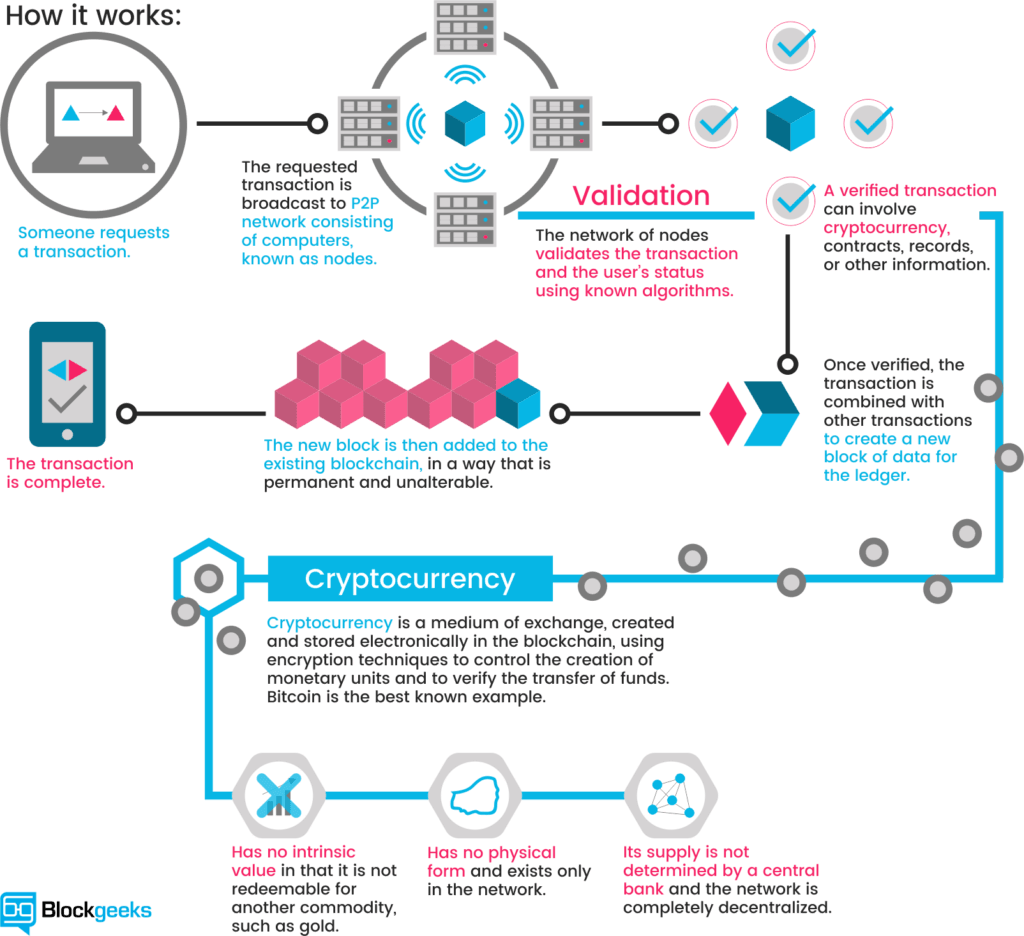
Cryptocurrency, or “క్రిప్టో కరెన్సీ” in Telugu, is a digital or virtual form of currency that uses cryptography for security. This makes it nearly impossible to counterfeit or double-spend. A significant feature of cryptocurrencies is that they are decentralized and based on blockchain technology, which is a distributed ledger enforced by a network of computers, often referred to as nodes.Cryptocurrencies operate through a technology called blockchain, which is a series of blocks that contain transaction data.

Each block is linked to the previous one, creating a chain that is secured through cryptographic principles. This decentralized network allows users to make transactions directly without the need for intermediaries such as banks. Popular examples of cryptocurrencies include Bitcoin (బిట్‌కాయిన్), Ethereum (ఎథీరియమ్), and Ripple (రిపుల్), each serving different purposes within the digital economy.

History and Evolution of Cryptocurrency

The origins of cryptocurrency can be traced back to the early 1980s with the introduction of digital cash concepts. However, the first significant milestone occurred in 2009 when Bitcoin was created by an anonymous person or group under the pseudonym Satoshi Nakamoto. Bitcoin’s launch marked the beginning of a new era in finance, allowing peer-to-peer transactions without central authority.Bitcoin’s impact on the market was profound, leading to the emergence of thousands of other cryptocurrencies.

Significant events, such as the introduction of Ethereum in 2015, which enabled smart contracts, have shaped the cryptocurrency landscape further. In India, the cryptocurrency scene has evolved with regulatory discussions and growing adoption among tech-savvy individuals and investors.

Types of Cryptocurrencies

Understanding the various types of cryptocurrencies is essential as they serve different functions within the ecosystem. Below is a comprehensive list of major types of cryptocurrencies:

  • Bitcoin (BTC)
    -The original cryptocurrency, primarily used as a digital currency.
  • Ethereum (ETH)
    -A platform that enables developers to create decentralized applications using smart contracts.
  • Ripple (XRP)
    -Designed for international money transfers, aiming to facilitate quick and low-cost cross-border transactions.
  • Litecoin (LTC)
    -Created as the ‘silver to Bitcoin’s gold’, it offers faster transaction times.
  • Cardano (ADA)
    -Focuses on creating a more secure and scalable blockchain, aiming for sustainability.
  • Polkadot (DOT)
    -Facilitates the interoperability of different blockchains.

The differences between Bitcoin, Ethereum, and other altcoins primarily lie in their intended use and underlying technology. Bitcoin operates as a store of value, while Ethereum provides a platform for decentralized applications.

Benefits of Using Cryptocurrency

Cryptocurrency offers several advantages over traditional banking systems. It provides users with greater control over their funds and allows for lower transaction fees. Additionally, cryptocurrencies can be accessed globally, promoting financial inclusion for people in developing countries who may lack access to traditional banking.By utilizing cryptocurrencies, international transactions can be processed more efficiently. This speed and reduced cost make cryptocurrencies an attractive alternative for remittances and cross-border trade.

Risks and Challenges of Cryptocurrency

Despite the benefits, investing in cryptocurrency comes with potential risks. Market volatility can lead to significant losses, and the lack of regulation may expose investors to fraud. In India, regulatory challenges are ongoing, with discussions around how to create a balanced framework for the cryptocurrency market.To mitigate risks, traders are encouraged to conduct thorough research and employ strategies such as diversifying their portfolio and using stop-loss orders.

Cryptocurrency and Technology

The foundation of cryptocurrency lies in blockchain technology. Blockchain is a decentralized ledger that records all transactions across a network. This technology enhances security and transparency while reducing the risk of fraud. Smart contracts are self-executing contracts with the terms of the agreement directly written into code. They allow for trustless transactions between parties and have significant implications for businesses, automating processes and reducing the need for intermediaries.

Future of Cryptocurrency in India

The future of cryptocurrency in India appears promising with increasing interest from both investors and technology enthusiasts. Market trends indicate a growing acceptance of digital currencies, though potential government regulations may play a pivotal role in shaping this landscape. Education and awareness are crucial for fostering a positive environment for cryptocurrency adoption. As more people understand the benefits and workings of cryptocurrencies, their integration into the broader financial system may become more seamless.

Cryptocurrency Mining

Cryptocurrency mining is the process by which transactions are verified and added to the public ledger, blockchain. Miners use powerful computers to solve complex mathematical problems that secure the network and validate transactions. However, cryptocurrency mining has environmental impacts due to its high energy consumption. Solutions are being explored, including the transition to more energy-efficient consensus mechanisms, such as Proof of Stake.Individuals interested in mining can start by researching the specific cryptocurrencies they wish to mine and investing in the necessary hardware and software tools.

How to Buy and Store Cryptocurrency

Purchasing cryptocurrency for the first time involves selecting a reputable exchange, creating an account, and completing the verification process. Once verified, users can deposit funds and buy their desired cryptocurrency.Cryptocurrency wallets come in various forms, including hardware wallets, software wallets, and paper wallets, each with different levels of security. Users should choose wallets based on their security needs and convenience.Popular exchanges for buying cryptocurrencies include Binance, Coinbase, and WazirX, each offering diverse features tailored to different types of users.

Impact of Cryptocurrency on the Global Economy

Cryptocurrency is significantly influencing traditional financial systems by offering alternatives to fiat currencies and banking services. It has the potential to transform global trade practices, enabling faster and more secure transactions across borders.Case studies from countries that have adopted cryptocurrency at a national level, such as El Salvador’s recognition of Bitcoin as legal tender, demonstrate the potential for cryptocurrencies to reshape economic frameworks and drive innovation in the financial sector.

Final Review

In summary, cryptocurrency meaning telugu encapsulates a fascinating blend of technology and finance that is shaping the future of global economies. As we navigate this digital frontier, understanding its implications, benefits, and challenges becomes essential for anyone looking to engage with this dynamic market. The journey is just beginning, and the potential for growth and innovation is limitless.

Quick FAQs

What is cryptocurrency?

Cryptocurrency is a type of digital or virtual currency that uses cryptography for security and operates independently of a central authority.

How does cryptocurrency work?

Cryptocurrency works on blockchain technology, which is a decentralized ledger that records all transactions across a network of computers.

What are the risks of investing in cryptocurrency?

Risks include market volatility, regulatory uncertainty, and security threats such as hacking and fraud.

How can I buy cryptocurrency?

You can buy cryptocurrency through various online exchanges using traditional payment methods like credit cards or bank transfers.

What is a cryptocurrency wallet?

A cryptocurrency wallet is a digital tool that allows you to store, send, and receive cryptocurrencies securely.

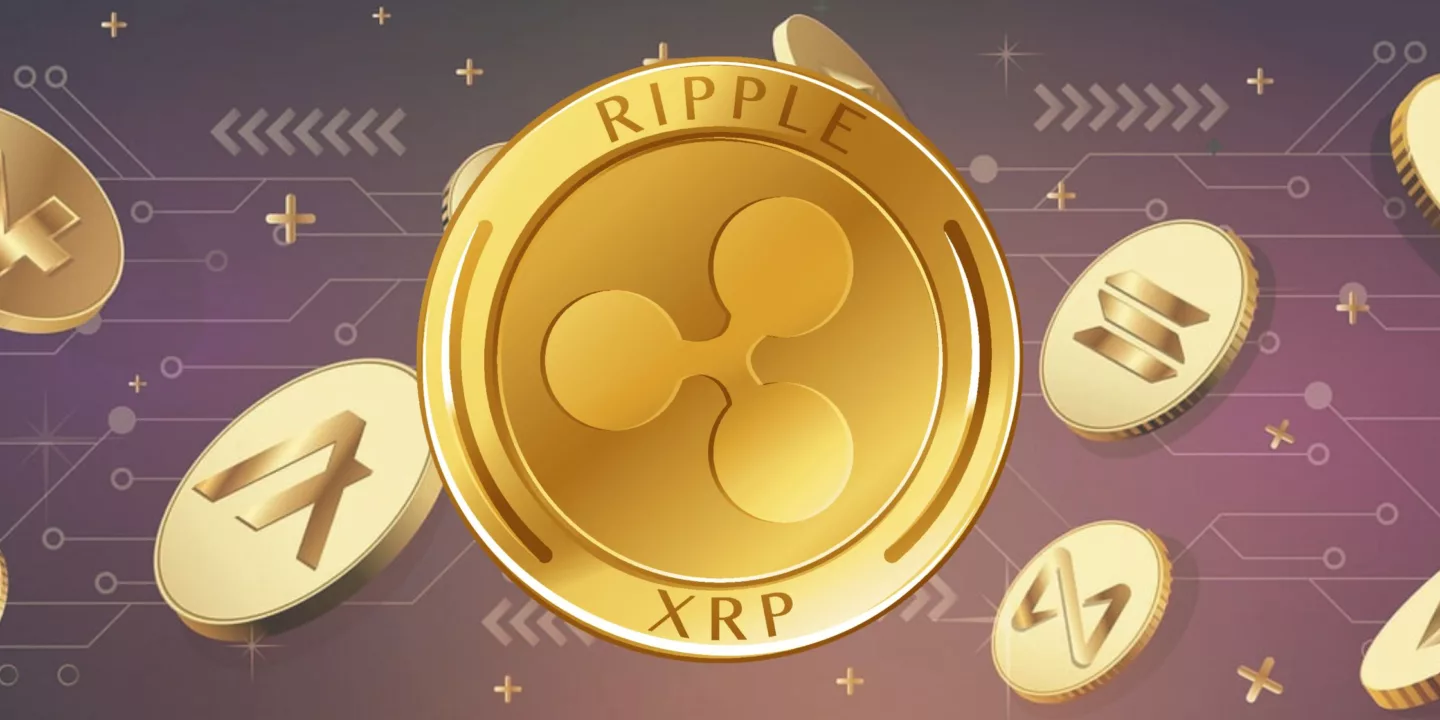
When diving into the world of cryptocurrencies, xrp coin a good investment often comes up in discussions among both seasoned investors and curious newcomers. With its unique technology and potential for substantial growth, XRP presents an intriguing case for those looking to diversify their portfolios. This coin is not just another digital asset; it’s designed to facilitate fast and cost-effective cross-border payments, making it a significant player in the financial landscape.

Understanding the origins and purpose of XRP, along with its distinct technological advantages, sets the stage for exploring its investment potential. In a market as volatile as cryptocurrency, learning about XRP’s historical price trends and the inherent risks associated with its investment can empower you to make informed decisions.

Overview of XRP Coin

XRP Coin, created by Ripple Labs in 2012, has evolved significantly in the cryptocurrency landscape. Initially designed to facilitate cross-border payments, XRP serves as a bridge currency in international transactions, enabling faster and cheaper transfers compared to traditional banking systems. Its innovative protocol allows for the secure transfer of value with minimal transaction time, making it a vital part of the fintech revolution.XRP’s primary function is to enhance the efficiency of the global financial system.

Unlike many cryptocurrencies that focus on decentralized transactions, XRP emphasizes partnerships with financial institutions to streamline operations. The technology behind XRP is the Ripple Protocol, which distinguishes it from other cryptocurrencies through its consensus ledger and unique validation process. This allows for transaction confirmations in mere seconds, significantly quicker than Bitcoin or Ethereum.

Investment Potential of XRP Coin

Historically, XRP Coin’s price has experienced significant fluctuations, influenced by market trends, regulatory news, and overall cryptocurrency adoption. The coin’s value peaked during the cryptocurrency boom of late 2017, followed by a substantial correction. Factors such as partnerships with banks and financial institutions play a crucial role in its price dynamics, as positive news often drives demand.XRP’s main use cases include facilitating real-time international payments and serving as a liquidity tool for banks.

As global demands for faster payments grow, XRP’s utility could enhance its investment value. The increasing interest from institutional investors further supports the notion of XRP as a potential growth asset in the cryptocurrency market.

Risks Associated with Investing in XRP Coin

Investing in XRP Coin comes with regulatory challenges, particularly in the United States, where the SEC has taken action against Ripple Labs regarding the classification of XRP as a security. This ongoing legal battle creates uncertainty, impacting investor confidence and the overall market sentiment.Cryptocurrency markets are notoriously volatile, and XRP is no exception. Price swings can be drastic, influenced by both market sentiment and external events.

Additionally, security risks such as hacks and scams are prevalent in the crypto space, making it essential for investors to exercise caution when investing in XRP.

Comparison with Other Cryptocurrencies

Is XRP (Ripple) A Good Investment? | Mudrex Learn

When compared to Bitcoin, XRP stands out with a significantly lower market capitalization but offers a unique value proposition in terms of transaction speed and cost efficiency. Bitcoin, often seen as a store of value, has experienced steadier growth, while XRP’s price is more affected by speculative trading.In relation to Ethereum, XRP has different use cases; where Ethereum focuses on decentralized applications and smart contracts, XRP is primarily geared towards enhancing payment processes.

XRP’s advantages include faster transaction times and lower fees, but it also faces disadvantages, such as its reliance on partnerships with traditional financial institutions, which might not appeal to all cryptocurrency enthusiasts.

Expert Opinions on XRP Coin

Financial analysts are divided on XRP’s investment potential. Some see it as a promising technology with real-world applications, while others remain skeptical due to ongoing regulatory issues. “XRP has the potential to revolutionize international payments, but regulatory clarity is essential for its long-term viability,” notes a prominent cryptocurrency analyst.Cryptocurrency experts emphasize the importance of diversifying investments. They suggest that investors approach XRP with caution and consider it as part of a broader portfolio strategy.

“XRP can be a valuable asset, but it should be balanced with other cryptocurrencies to mitigate risk,” advises a leading financial strategist.

Community Sentiment and News Impact

Seize Opportunity: Invest in XRP for Retirement

The sentiment within the XRP community plays a significant role in its market price. Social media platforms and online forums often amplify news and discussions, impacting investor behavior. Positive community engagement can lead to price rallies, while negative sentiment can result in sharp declines.Major news events, such as regulatory announcements or breakthroughs in partnerships, tend to significantly impact XRP’s investment appeal.

For instance, announcements regarding new banking partnerships often lead to price surges, while negative regulatory news can have the opposite effect.A compilation of recent news articles highlights the latest developments surrounding XRP. This includes updates on the SEC lawsuit, partnerships with financial institutions, and technological advancements that could influence investor decisions.

Tools and Resources for Investing in XRP Coin

Investors looking to trade XRP can utilize various platforms, including major cryptocurrency exchanges like Binance, Kraken, and Coinbase. Each platform offers different features and trading options, making it essential for investors to choose one that aligns with their investment strategy.To effectively monitor XRP investments, portfolio tracking tools such as Blockfolio or Delta are invaluable. These tools allow investors to track price movements and receive real-time notifications, helping them make informed decisions based on market trends.Staying updated on XRP news and market analysis is crucial for any investor.

Resources such as CoinDesk, CoinTelegraph, and Ripple’s official blog provide insights into the latest developments, ensuring investors are well-informed about market conditions and potential investment opportunities.

Ultimate Conclusion

In summary, while xrp coin a good investment offers exciting opportunities backed by innovative technology and market potential, it’s essential to approach it with a balanced perspective. The insights gathered from expert opinions, community sentiment, and the risks involved can greatly aid investors in navigating this dynamic market. As the cryptocurrency landscape continues to evolve, staying informed and adaptable will be key to maximizing your investment outcomes with XRP.

FAQ Summary

What is XRP Coin used for?

XRP is primarily used for facilitating fast and low-cost international money transfers and as a bridge currency in cross-border transactions.

Is XRP Coin regulated?

The regulatory status of XRP is still under scrutiny, particularly by the SEC, which could impact its future use and investment potential.

How can I buy XRP Coin?

You can purchase XRP through various cryptocurrency exchanges such as Binance, Coinbase, and Kraken.

What are the risks of investing in XRP?

Investing in XRP comes with risks including market volatility, regulatory challenges, and potential security issues.

What is the future outlook for XRP Coin?

While many analysts are optimistic about XRP’s future, it ultimately depends on market conditions and regulatory developments.

Cryptocurrency Course Malaysia is gaining momentum as enthusiasts and professionals seek to navigate the ever-evolving digital finance landscape. With a surge in interest, these courses offer invaluable insights into the world of cryptocurrencies, ensuring participants are well-equipped with the knowledge and skills needed to thrive in this dynamic field.

As Malaysians become increasingly aware of the potential of cryptocurrencies, educational institutions are stepping up to provide comprehensive training. From understanding blockchain technology to learning trading strategies, these courses cater to a diverse audience, making cryptocurrency education more accessible than ever.

Introduction to Cryptocurrency Courses in Malaysia

As the world shifts towards digital currencies, the relevance of cryptocurrency courses has surged in Malaysia. These courses provide individuals with the knowledge and skills necessary to navigate the complex world of cryptocurrencies and blockchain technology. With a growing interest in digital assets, Malaysians are increasingly seeking education in this field, recognizing its potential impact on personal finance and investment opportunities.Several institutions in Malaysia have stepped up to offer cryptocurrency courses, catering to the rising demand for education in this area.

These programs range from short workshops to comprehensive certification courses, covering various aspects of cryptocurrency and blockchain technology.

Types of Cryptocurrency Courses Available

The variety of cryptocurrency courses available in Malaysia caters to diverse learning preferences and needs. Here are some of the main types:

  • Online Courses: These are flexible and accessible, allowing learners to study at their own pace through digital platforms. They often include video lectures, quizzes, and discussion forums.
  • Workshops: Typically short-term, these hands-on sessions offer practical insights and are often led by industry experts. They focus on specific topics like trading strategies or security measures.
  • Certifications: More comprehensive, these programs often require a longer commitment and culminate in a recognized certification, enhancing the learner’s credentials for career advancement.

The duration and structure of these courses can vary significantly. Online courses may take anywhere from a few hours to several weeks, while workshops usually last a day or two. Certification programs often span several weeks or months, depending on the curriculum.Different courses target different audiences. Beginners may find online courses and workshops more suitable, while advanced learners might opt for certification programs that dive deeper into specialized areas of cryptocurrency.

Curriculum and Learning Outcomes

Page for individual images • Quoteinspector.com

Cryptocurrency courses cover a wide range of topics essential for understanding this rapidly evolving field. Common subjects include:

  • Blockchain Technology: The foundational technology behind cryptocurrencies, emphasizing how it works and its potential applications.
  • Trading Strategies: Techniques for buying and selling cryptocurrencies effectively, including market analysis and risk management.
  • Security Measures: Best practices for safeguarding digital assets, including wallet management and recognizing scams.

Upon completion of these courses, students are expected to gain a robust understanding of cryptocurrency fundamentals, practical trading skills, and essential security knowledge. Many courses also incorporate practical components, such as live trading simulations or projects that require applying learned concepts in real-world scenarios.

Cost and Accessibility of Cryptocurrency Courses

Cryptocurrency courses in Malaysia come with a wide price range, generally influenced by the course’s depth, duration, and the institution’s reputation. On average, online courses may cost between RM100 to RM1,000, while workshops and certification programs can range from RM500 to RM5,000.For students who may need financial support, several institutions offer scholarships or financial aid options. It’s advisable for prospective learners to inquire about such opportunities before enrolling.Accessibility is another critical factor.

Online courses provide a convenient option for anyone with internet access, while in-person classes may require specific locations and schedules. The growth of hybrid models, which combine online and face-to-face learning, offers even more flexibility for students.

Benefits of Taking Cryptocurrency Courses

Enrolling in cryptocurrency courses offers numerous benefits, particularly for personal finance management. Understanding cryptocurrencies can empower individuals to make informed investment decisions, diversify their portfolios, and enhance their financial literacy.Completing these courses can also open up various career opportunities. Industries such as finance, technology, and consulting increasingly seek professionals with expertise in cryptocurrency and blockchain technology. Positions such as blockchain developer, cryptocurrency analyst, and compliance officer are becoming more prevalent.Testimonials from past students often highlight transformative learning experiences.

Many report increased confidence in managing their investments and a clearer understanding of the cryptocurrency landscape, which has proven invaluable in their personal and professional lives.

Challenges and Considerations

While enrolling in cryptocurrency courses can be beneficial, students may face several challenges. One common issue is the overwhelming amount of information available, which can make it difficult to discern quality courses from less reputable ones.Choosing reputable institutions is crucial; students should research and seek recommendations to ensure they receive a credible education. Furthermore, the cryptocurrency landscape is ever-evolving, making continuous education essential to stay updated with the latest developments.

Future Trends in Cryptocurrency Education

Looking ahead, the future of cryptocurrency education in Malaysia is promising. As technology advances, the course offerings are likely to expand, incorporating new trends such as decentralized finance (DeFi) and non-fungible tokens (NFTs). The impact of technological advancements will likely lead to more interactive and engaging learning experiences, utilizing virtual reality and gamification to enhance understanding. Additionally, community involvement and networking opportunities will play an increasingly significant role in the cryptocurrency educational space, fostering collaboration and knowledge sharing among enthusiasts and professionals alike.

Ending Remarks

Page for individual images • Quoteinspector.com

In summary, engaging in a cryptocurrency course in Malaysia opens up a world of opportunities for personal finance management and career advancement. As the landscape continues to evolve, staying informed through education is essential for anyone looking to capitalize on the benefits of this digital currency revolution.

Frequently Asked Questions

What is the duration of cryptocurrency courses?

Courses can range from a few days for workshops to several weeks or months for more comprehensive programs.

Are there prerequisites for enrolling in these courses?

Most courses are designed for all levels, but some advanced classes may require prior knowledge of blockchain or trading.

Is there an age limit for participants?

Generally, participants should be at least 18 years old, though some courses may accept younger students with parental consent.

Can I find courses online?

Yes, many institutions offer online courses, providing flexibility for students to learn at their own pace.

What career paths can I pursue after completing a course?

Graduates can explore roles in crypto trading, blockchain development, financial analysis, and more within the growing cryptocurrency sector.

In recent years, crypto companies in Utah have emerged as significant players in the rapidly evolving blockchain landscape. This rise is attributed to a supportive environment that fosters innovation, combined with a growing interest among entrepreneurs and investors in the region. Utah’s unique blend of technological talent and favorable regulations has positioned it as a burgeoning hub for cryptocurrency and blockchain businesses, attracting a diverse range of companies and talent.

From exchanges to mining operations, these companies are not only reshaping the financial landscape but also contributing to the local economy and job market. As we explore the various facets of crypto companies in Utah, you’ll discover how this sector is influencing and transforming the community.

Overview of Crypto Companies in Utah

The emergence of crypto companies in Utah has been a noteworthy development in the tech landscape of the state. Over the past decade, the crypto scene has seen significant growth, spurred by a burgeoning interest in blockchain technology and cryptocurrency among entrepreneurs and investors alike. Utah’s unique combination of a supportive regulatory environment, access to tech-savvy talent, and a vibrant community of innovators has paved the way for this expansion.Several factors contribute to Utah’s growth as a hub for crypto businesses.

The state’s low cost of living and high quality of life attract many tech professionals, while its proximity to major markets enhances business opportunities. Moreover, the local government has implemented favorable regulations that encourage innovation in the crypto sector. Key players in the Utah crypto market include established firms such as Salt Lake City-based NiceHash and BlockFi, both of which have made significant impacts on the local economy by creating jobs and attracting investment.

Types of Crypto Companies in Utah

Crypto in Utah Undergoing Regulatory Scrutiny - SxHx News

In Utah, various types of crypto companies operate, each offering distinct services that cater to different aspects of the cryptocurrency ecosystem. The primary categories of these companies include exchanges, mining operations, and blockchain startups.

  • Exchanges: Platforms that facilitate the buying and selling of cryptocurrencies. Notable examples include Coinbase and Kraken, which offer user-friendly interfaces for trading a wide variety of digital assets.
  • Mining Operations: Facilities that use powerful computers to mine cryptocurrencies. Companies like Hive Blockchain have established mining farms in Utah, leveraging the state’s affordable energy costs.
  • Blockchain Startups: Innovative companies focused on developing blockchain technology for various applications. For instance, companies like VeChain are exploring supply chain solutions using blockchain.
Company Name Type Services Offered
Coinbase Exchange Cryptocurrency trading, wallet services, educational resources
Hive Blockchain Mining Cryptocurrency mining, hosting services
VeChain Blockchain Startup Blockchain solutions for supply chain management

Regulatory Environment for Crypto Companies in Utah

Utah has established a regulatory framework that significantly impacts crypto businesses. The state’s laws are designed to foster innovation while ensuring consumer protection. For instance, Utah’s Uniform Regulation of Virtual Currency Businesses Act provides clear guidelines for cryptocurrency exchanges and other businesses operating in the space.These regulations shape the operations of crypto companies by imposing compliance requirements, such as anti-money laundering (AML) and know your customer (KYC) protocols.

The local government plays a crucial role in encouraging crypto entrepreneurship by providing resources and support for startups. Additionally, initiatives like the Utah Blockchain Taskforce aim to create a conducive environment for blockchain innovation.

Community and Networking Opportunities

The crypto community in Utah benefits from a range of networking events and meetups that foster collaboration and knowledge sharing among enthusiasts and professionals. These gatherings create opportunities for individuals to connect with industry leaders, share ideas, and explore potential partnerships.Local organizations, such as the Utah Blockchain Foundation, actively support crypto innovation by hosting educational workshops and events. The following is a list of upcoming events and conferences related to crypto in Utah:

  • Utah Crypto Conference – March 15, 2024
  • Blockchain and Beyond Meetup – April 10, 2024
  • Annual Utah Crypto Hackathon – May 5-6, 2024

Challenges Faced by Crypto Companies in Utah

Despite the promising landscape, crypto companies in Utah face several challenges, including securing funding, navigating regulatory compliance, and competing in a rapidly evolving market. Many startups struggle to attract investors due to the perceived risks associated with cryptocurrencies.To overcome these challenges, companies implement various strategies. Building strong networks with local investors and participating in accelerator programs can provide valuable resources and support.

Case studies of successful Utah crypto companies, such as NiceHash, highlight how innovative solutions and strategic partnerships can help navigate obstacles.

Future Trends and Predictions for Crypto Companies in Utah

Crypto Companies List | BlockSurvey

The future looks promising for crypto companies in Utah, with several emerging trends that are likely to shape the industry’s landscape. One notable trend is the increasing interest in decentralized finance (DeFi) and the potential for Utah companies to innovate in this space. Additionally, the rise of non-fungible tokens (NFTs) is opening new avenues for blockchain startups.Emerging technologies, such as artificial intelligence and the Internet of Things (IoT), are also relevant to the Utah crypto landscape.

These technologies can enhance blockchain applications and create new business opportunities. The following table Artikels anticipated developments in the crypto market over the next five years:

Year Expected Development
2024 Increased adoption of DeFi platforms
2025 Growth of NFT marketplaces
2026 Integration of AI in blockchain solutions
2027 Expansion of crypto regulations and compliance frameworks
2028 Widespread acceptance of cryptocurrencies in mainstream finance

Impact of Crypto Companies on Local Communities

Crypto companies are making significant contributions to job creation in Utah, providing employment opportunities in tech, finance, and other related fields. This growth not only boosts the local economy but also enriches the community by fostering a tech-savvy workforce.Moreover, many crypto firms engage in community initiatives aimed at supporting local causes. For example, companies may sponsor events, contribute to educational programs, or support charitable organizations.

Testimonials from community members emphasize the positive influence of these companies, highlighting their role in driving economic growth and innovation.

Educational Resources and Training for Crypto Professionals

Utah offers a variety of educational programs and courses for individuals interested in pursuing careers in the crypto space. Institutions like the University of Utah provide courses in blockchain technology, cryptocurrency, and financial technology, equipping students with the skills needed for the industry.Partnerships between crypto companies and educational institutions further enhance training opportunities. For instance, companies may collaborate with universities to create internship programs or workshops that provide hands-on experience.

The following table compares different training options available in Utah and their outcomes:

Program Name Institution Outcomes
Blockchain Fundamentals University of Utah Certificate in Blockchain Technology
Crypto Trading Strategies Salt Lake Community College Practical skills for trading cryptocurrencies
FinTech Innovations Brigham Young University Degree in Financial Technology

Ultimate Conclusion

In summary, the impact of crypto companies in Utah extends beyond mere financial transactions; they are catalysts for growth and innovation within local communities. As the landscape continues to evolve, the potential for further advancements and contributions to the economy is promising. With a strong foundation and a community-driven spirit, Utah’s crypto sector is poised for a bright future.

Questions Often Asked

What types of crypto companies are in Utah?

Utah hosts a variety of crypto companies, including exchanges, mining operations, blockchain startups, and service providers, each offering unique services.

How do regulations affect crypto companies in Utah?

Regulations in Utah shape the operational landscape, ensuring compliance while also encouraging innovation, though they can pose challenges for startups.

Are there networking opportunities for crypto enthusiasts in Utah?

Yes, Utah offers numerous networking events and meetups for crypto enthusiasts to connect, share ideas, and foster collaborations within the industry.

How do crypto companies contribute to local communities?

Crypto companies in Utah contribute to local communities by creating jobs, supporting local initiatives, and fostering technological education.

What future trends can we expect from crypto companies in Utah?

Future trends may include advancements in blockchain technology, increased regulatory clarity, and a growing focus on sustainability within the crypto space.

Cryptocurrency business kya hai? It’s a question that intrigues many, especially as digital currencies become a dominant force in global finance. This field combines innovative technology with complex market dynamics, presenting unique opportunities and challenges for entrepreneurs and investors alike.

At its core, the cryptocurrency business encompasses various aspects, from understanding the technology behind it, like blockchain, to exploring different business models such as exchanges and Initial Coin Offerings (ICOs). The evolving regulatory landscape and investment opportunities further shape this sector, making it a compelling area for exploration.

Understanding Cryptocurrency

Cryptocurrency Faucet Bitcoin Free Frame Transparent HQ PNG Download ...

Cryptocurrency has revolutionized the way we perceive money in the digital age. It represents a decentralized form of currency that exists entirely online, free from traditional banking systems. At its core, cryptocurrency employs cryptographic techniques to secure transactions and control the creation of new units, which makes it distinct from conventional currencies.The market is filled with various types of cryptocurrencies, each serving different purposes and functionalities.

Popular currencies like Bitcoin and Ethereum have paved the way for thousands of alternatives, ranging from stablecoins that peg their value to traditional currencies, to utility tokens that power specific applications within their ecosystems. The diversity in cryptocurrencies allows for a wide range of investment and use-case opportunities.

Blockchain Technology

Blockchain technology is the backbone of the cryptocurrency ecosystem, providing a transparent and immutable ledger for transactions. Each block in the chain contains a number of transactions, and once a block is filled, it is added to the chain in a way that is verifiable and secure. This technology enhances trust, as it eliminates the need for intermediary institutions and reduces the risk of fraud.

Cryptocurrency Business Models

The cryptocurrency market has fostered various innovative business models that are reshaping industries. Several companies are leveraging these models to create sustainable revenue streams in a highly volatile environment.

Cryptocurrency Exchanges

Cryptocurrency exchanges are platforms that facilitate the buying, selling, and trading of cryptocurrencies. These platforms generate revenue through trading fees, withdrawal fees, and listing fees charged to projects seeking to have their tokens listed. Some exchanges also offer services like margin trading and staking, creating additional layers of income.

Initial Coin Offerings (ICOs)

ICOs serve as a fundraising mechanism for new cryptocurrency projects, allowing developers to raise capital by selling tokens directly to investors. This model has gained popularity due to its accessibility and the potential for high returns. However, it also requires thorough due diligence from investors due to the inherent risks involved.

Regulatory Landscape

The regulatory environment surrounding cryptocurrency is complex and dynamic, varying significantly across different jurisdictions. This creates both opportunities and challenges for businesses operating in this space.

Global Regulatory Challenges

Cryptocurrency businesses face a myriad of regulatory challenges, including compliance with anti-money laundering (AML) and know your customer (KYC) regulations. In many countries, the lack of clear guidelines can hinder the establishment and growth of crypto enterprises. Moreover, the evolving legal landscape means that businesses must stay informed and agile to adapt to changes.

Compliance Requirements

Starting a cryptocurrency business often entails navigating a labyrinth of compliance requirements. For example, in the United States, businesses must register with the Financial Crimes Enforcement Network (FinCEN) and may need to comply with state-specific regulations. In contrast, countries like Malta have created favorable environments with clear frameworks for crypto businesses, attracting a surge of new ventures.

Investment Opportunities

Investing in cryptocurrencies can be both exciting and daunting due to the market’s inherent volatility. Understanding the landscape is crucial for making informed investment decisions.

Safe and Effective Investment Guide

IMF Warns about Cryptocurrency - Economy news - Tasnim News Agency

Investing in cryptocurrencies requires careful planning and strategy. Here are some key considerations:

  • Start by educating yourself about the basics of cryptocurrency and the specific coins you are interested in.
  • Consider your risk tolerance and only invest what you can afford to lose.
  • Diversify your portfolio to mitigate risks associated with individual assets.
  • Utilize secure wallets for storing your digital assets to protect against hacks.

Risks and Rewards

The cryptocurrency market is known for its potential high rewards but equally high risks. Price volatility can lead to significant gains or losses within short time frames. Investors must weigh these factors carefully, taking into account their financial goals and risk appetite.

Importance of Market Research

Conducting thorough market research and analysis is essential before making investments. This includes studying market trends, understanding the technology behind cryptocurrencies, and evaluating the team behind projects. Reliable sources of information and community feedback can also provide valuable insights into the potential success of a cryptocurrency.

Technological Innovations

Technological advancements are a driving force behind the growth of the cryptocurrency industry, pushing the boundaries of what is possible within financial systems.

Decentralized Finance (DeFi)

Decentralized finance, commonly known as DeFi, has emerged as a significant innovation impacting traditional financial systems. By utilizing smart contracts on blockchain platforms, DeFi applications offer users services such as lending, borrowing, and earning interest without middlemen typically associated with banks.

Innovative Blockchain Projects

Various innovative blockchain projects are showcasing the technology’s potential. For instance, supply chain management solutions leverage blockchain to enhance transparency and traceability. Other projects are focused on digital identity verification, enabling individuals to control their personal data securely.

Marketing Strategies for Cryptocurrency Businesses

Marketing plays a crucial role in the success of cryptocurrency businesses, especially in a crowded market. Implementing targeted strategies can help startups stand out and attract users.

Effective Marketing Strategies

Successful marketing strategies for cryptocurrency startups include:

  • Utilizing social media platforms to build a community and engage with potential users.
  • Creating informative content that educates users about your product and the cryptocurrency ecosystem.
  • Partnering with influencers and industry leaders to increase visibility and credibility.

Promotion Channels and Platforms

Identifying the right channels for promotion is vital. Platforms like Twitter, Telegram, and Reddit are popular within the crypto community, making them effective for targeting potential users. Additionally, participating in industry conferences and webinars can help establish authority and connect with a broader audience.

Security Best Practices

With the increase in cryptocurrency transactions, security has become paramount. Implementing best practices can help safeguard digital assets from cyber threats.

Importance of Security

Security in cryptocurrency transactions is critical to prevent losses from hacks and fraud. Users must remain vigilant and adopt comprehensive security measures to protect their investments.

Best Practices for Safeguarding Assets

To ensure the safety of digital assets, businesses and individuals should consider the following best practices:

  • Use hardware wallets for long-term storage of cryptocurrencies.
  • Implement two-factor authentication (2FA) for all accounts related to cryptocurrencies.
  • Regularly update software and security protocols to mitigate vulnerabilities.

Future Trends

The cryptocurrency market is continuously evolving, and several emerging trends are expected to shape its future.

Emerging Trends

Some key trends to watch include:

  • The increasing participation of institutional investors, which could lead to greater market stability and legitimacy.
  • The rise of central bank digital currencies (CBDCs) as governments explore digital alternatives to traditional money.
  • Innovations in interoperability between different blockchain networks to enhance usability and functionality.

Challenges Ahead

Despite its promising future, the cryptocurrency market may face challenges such as regulatory hurdles, technological barriers, and market volatility. Addressing these challenges will be crucial for the sustained growth of the cryptocurrency ecosystem.

Closure

In summary, the cryptocurrency business is a multifaceted domain that blends technology, finance, and regulatory considerations. As we look towards the future, staying informed about trends and best practices in this space will be essential for anyone looking to engage in the industry.

Common Queries

What is cryptocurrency?

Cryptocurrency is a digital or virtual currency that uses cryptography for security and operates on a technology called blockchain.

How do I start a cryptocurrency business?

To start a cryptocurrency business, you need to understand the market, comply with regulations, and choose a suitable business model, such as an exchange or ICO.

What are the risks of investing in cryptocurrencies?

Risks include high volatility, regulatory uncertainties, and security threats, making thorough research essential before investing.

How can I secure my cryptocurrency assets?

Secure your assets by using hardware wallets, enabling two-factor authentication, and following best security practices for online transactions.

What is DeFi and its significance?

Decentralized Finance (DeFi) refers to financial services built on blockchain technology, allowing users to engage in activities like lending and trading without traditional intermediaries.

Bitcoin meaning in punjabi sets the stage for this enthralling narrative, offering readers a glimpse into a story that is rich in detail and brimming with originality from the outset. Bitcoin, the pioneering digital currency, has transformed the landscape of financial transactions and investments globally, and its influence is steadily making waves in Punjabi culture.

This overview will delve into the significance of Bitcoin within the digital economy, its underlying technology, and how it is perceived and adopted in Punjabi communities. From understanding its historical backdrop to exploring its practical applications, we will uncover the multifaceted nature of Bitcoin in the context of Punjab.

Understanding Bitcoin

Bitcoin has emerged as a revolutionary digital currency that significantly influences the modern economy. It operates independently of traditional financial institutions, allowing peer-to-peer transactions without intermediaries. This decentralized nature empowers individuals by providing greater control over their finances and enabling borderless transactions. Bitcoin is not just a form of currency; it represents a paradigm shift in how we perceive money and financial systems.The technology underlying Bitcoin is rooted in blockchain and cryptography.

Blockchain is a distributed ledger that records all transactions across a network of computers, ensuring transparency and security. Each transaction is verified by network nodes through cryptography, making it nearly impossible to alter past records. This technological framework establishes Bitcoin’s credibility and security, which is crucial for its acceptance as a reliable medium of exchange.Bitcoin was created in 2009 by an anonymous entity known as Satoshi Nakamoto.

Initially, it was seen as a niche project, but over the years, its popularity has surged. From being worth just a few cents, Bitcoin has reached significant valuations, capturing the attention of investors and financial institutions alike. Its evolution highlights the growing acceptance of cryptocurrencies in global finance, paving the way for innovations in digital assets.

Bitcoin in Punjabi Culture

Within Punjabi communities, Bitcoin’s perception is gradually changing as awareness grows. Initially viewed with skepticism, many Punjabis are now recognizing its potential as an investment and a means of transaction. The increasing connectivity through the internet has played a vital role in this shift, as more individuals learn about Bitcoin’s advantages.Entrepreneurs and investors in Punjab are increasingly adopting Bitcoin. Startups in technology and finance sectors are exploring its use for transactions and fundraising, while investors are looking at Bitcoin as a hedge against inflation and currency fluctuations.

This trend indicates a burgeoning interest in digital currencies among the youth in Punjab.Local businesses in Punjab are also beginning to accept Bitcoin as a form of payment. Cafes, tech hubs, and retail shops are experimenting with cryptocurrency transactions, allowing customers to pay for goods and services using Bitcoin. This growing acceptance signifies a shift in the traditional business landscape and showcases the adaptability of Punjabi entrepreneurs.

Translation of Bitcoin Meaning

In Punjabi, Bitcoin is often translated as “ਬਿਟਕੋਇਨ.” This term encapsulates the essence of the cryptocurrency but also reflects the cultural context of its usage. Understanding Bitcoin in Punjabi terms goes beyond translation; it requires an appreciation of the cultural implications of integrating such a modern financial concept.Translating Bitcoin into Punjabi highlights the need for clear financial terminology that resonates with local speakers.

Financial literacy among Punjabis is essential for embracing new technologies like Bitcoin. The nuances involved in translating financial terms can create barriers or facilitate understanding, emphasizing the importance of accurate communication in this domain.

Advantages and Disadvantages of Bitcoin

Bitcoin offers several benefits for financial transactions, making it an attractive option for users. Here are some key advantages:

  • Decentralization: Bitcoin operates without central authority, reducing reliance on banks.
  • Lower Transaction Fees: Compared to traditional banking methods, Bitcoin transactions often incur lower fees.
  • Security: Transactions are secured through cryptographic technology, making them resistant to fraud.
  • Privacy: Users can maintain a degree of anonymity in their transactions, protecting their identity.
  • Global Reach: Bitcoin can be sent and received from anywhere in the world, facilitating international transactions.

However, there are also challenges and risks associated with Bitcoin investment:

  • Price Volatility: Bitcoin is known for its fluctuating prices, leading to potential financial losses.
  • Lack of Regulation: The absence of regulatory oversight can expose users to scams and fraud.
  • Technological Barriers: Understanding and using Bitcoin requires a certain level of technical knowledge.
  • Irreversibility: Once a transaction is made, it cannot be reversed, leading to potential issues in case of errors.
  • Security Risks: While secure, Bitcoin wallets can be vulnerable to hacking if not properly protected.

Comparing Bitcoin with traditional currencies reveals a unique set of advantages and challenges in Punjab. While Bitcoin provides innovative solutions, the risks and volatility can be daunting for those accustomed to stable fiat currencies.

Future of Bitcoin in Punjab

The future of Bitcoin in Punjab looks promising as awareness and adoption continue to grow. Over the next decade, several trends are likely to shape its integration into the local economy. Increased internet penetration and smartphone usage will facilitate access to Bitcoin, especially among the younger population. Key industries in Punjab that may benefit from Bitcoin integration include agriculture, manufacturing, and e-commerce.

For instance, farmers could use Bitcoin for direct transactions with buyers, reducing dependency on intermediaries. Similarly, manufacturers could streamline their cross-border payments using cryptocurrency.Individuals and businesses interested in Bitcoin can start by educating themselves about its workings. Creating user-friendly platforms for buying and selling Bitcoin will be essential. Local merchant adoption will also play a crucial role, as more businesses accept Bitcoin, creating a cycle of use and acceptance within the community.

Practical Guidance on Bitcoin

For those looking to buy Bitcoin in Punjab, the process is relatively straightforward. Here is a step-by-step guide:

  1. Choose a Bitcoin wallet: Select a secure wallet to store your Bitcoin. Options include software wallets and hardware wallets.
  2. Register on a cryptocurrency exchange: Sign up on a reputable exchange that operates in India, such as WazirX or CoinDCX.
  3. Verify your identity: Complete any necessary KYC (Know Your Customer) requirements, which may involve providing identification.
  4. Deposit funds: Transfer money to your exchange account using bank transfer or other accepted methods.
  5. Buy Bitcoin: Use the deposited funds to purchase Bitcoin at the current market rate.

Storing Bitcoin securely is crucial. Users should consider the following methods:

  • Hardware Wallets: These are physical devices that store your Bitcoin offline, providing enhanced security.
  • Software Wallets: These apps can be installed on mobile or desktop devices for easy access, though they may be less secure than hardware options.
  • Paper Wallets: Writing down your Bitcoin address and private key on paper is a secure method, provided it is kept safe from damage or loss.

For those looking to trade Bitcoin, understanding market trends and using reliable trading platforms is vital. Engaging in research and joining local cryptocurrency communities can provide valuable insights and support for new investors.

Final Summary

In conclusion, as we have explored, the story of Bitcoin meaning in punjabi is not just about a currency; it represents a shift towards new financial possibilities for individuals and businesses in Punjab. The future holds promising opportunities for integration and growth, as more people become aware of the advantages and challenges that Bitcoin presents.

FAQ Resource

What is Bitcoin?

Bitcoin is a decentralized digital currency that allows peer-to-peer transactions without the need for intermediaries like banks.

How do I buy Bitcoin in Punjab?

You can buy Bitcoin in Punjab through cryptocurrency exchanges or peer-to-peer platforms that facilitate buying and selling.

Is Bitcoin legal in Punjab?

Yes, Bitcoin is legal in India, including Punjab, but it’s important to stay updated on regulations as they can change.

What are the risks of investing in Bitcoin?

The risks include market volatility, potential loss of funds, and the need for secure storage and management of cryptocurrency.

How is Bitcoin perceived in Punjabi culture?

In Punjabi culture, Bitcoin is gradually gaining recognition, with increasing interest among entrepreneurs and local businesses.

As crypto news new zealand takes center stage, this opening passage beckons readers into a world crafted with good knowledge, ensuring a reading experience that is both absorbing and distinctly original.

The cryptocurrency market in New Zealand is evolving rapidly, driven by recent legislative changes and growing public interest. Local exchanges are stepping up to facilitate transactions, while influential figures and startups are shaping the community. Understanding the current landscape, including regulatory frameworks and popular cryptocurrencies, is essential for anyone looking to navigate this dynamic space.

Current State of Crypto in New Zealand

The cryptocurrency market in New Zealand has been experiencing significant growth and transformation in recent years. This growth can be attributed to the increasing interest from both retail and institutional investors, as well as advancements in technology that facilitate crypto trading. Local platforms are becoming pivotal in enabling seamless transactions and fostering a supportive environment for cryptocurrency adoption.Recent legislative changes have further shaped the landscape of crypto trading in New Zealand.

The government has been active in addressing regulatory concerns, which has resulted in a clearer framework for crypto businesses. These legislative updates are crucial in establishing trust and security in the market, allowing more individuals and businesses to engage with cryptocurrencies without fear of legal repercussions.The role of local exchanges and platforms is indispensable for facilitating crypto transactions. They provide a user-friendly interface for buying, selling, and trading various cryptocurrencies, making it easier for New Zealanders to participate in the crypto economy.

Major Players in the New Zealand Crypto Scene

New Zealand boasts several key cryptocurrency exchanges that are crucial to the local market. These exchanges not only provide trading services but also contribute to the overall development of the crypto ecosystem.

  • Easy Crypto: A popular exchange known for its user-friendly interface and support for a wide range of cryptocurrencies.
  • CoinHQ: This platform caters to both beginners and experienced traders, offering various trading pairs.
  • DigiFinex: Known for its robust security measures and advanced trading features.

Influential figures in the New Zealand crypto community are also shaping the market. Entrepreneurs, developers, and advocates are working tirelessly to educate the public and improve adoption rates. Startups in the region are making significant contributions by developing innovative solutions and services that enhance the user experience.

Regulatory Framework for Cryptocurrency

New Zealand has adopted a proactive regulatory approach to cryptocurrencies, aiming to balance innovation with consumer protection. The Financial Markets Authority (FMA) plays a vital role in overseeing the crypto sector, ensuring that businesses comply with established regulations.Compliance requirements for crypto businesses include registration with the FMA, implementing Anti-Money Laundering (AML) measures, and adhering to consumer protection laws. This regulatory clarity helps foster a stable and secure environment for both investors and operators in the crypto space.

Popular Cryptocurrencies Among New Zealand Investors

New Zealand investors are increasingly gravitating towards a variety of cryptocurrencies. Among the most popular are Bitcoin, Ethereum, and Cardano, each attracting considerable investment due to their unique features and growth potential.

  • Bitcoin: Continues to lead the market as the first and most recognized cryptocurrency.
  • Ethereum: Gaining popularity for its smart contract functionality, driving the rise of decentralized applications.
  • Cardano: Known for its research-driven approach to development and emphasis on sustainability.

Trends in cryptocurrency adoption are evident across various sectors, including finance, e-commerce, and even gaming. With the rise of crypto wallets, statistics show an increase in ownership, indicating a growing acceptance of digital currencies among the general public.

Risks and Challenges in the New Zealand Crypto Market

Investing in cryptocurrencies in New Zealand comes with certain risks that potential investors should be aware of. Market volatility is a common characteristic of the crypto market, with prices experiencing significant fluctuations that can lead to substantial gains or losses.Security concerns are also paramount, as incidents of hacks and scams have affected local investors. It is essential for individuals to implement strong security measures to protect their investments and personal information.

Future Trends in New Zealand’s Crypto Landscape

Looking ahead, predictions for the future of cryptocurrency regulations in New Zealand suggest a continued emphasis on consumer protection while fostering innovation. As the market matures, regulatory bodies may introduce more refined guidelines that support the growth of the industry.Technological advancements are expected to play a significant role in shaping the crypto landscape. The rise of decentralized finance (DeFi) and non-fungible tokens (NFTs) are examples of innovations that may drive further adoption.Emerging trends in the New Zealand crypto market include increased institutional investment and partnerships between traditional financial institutions and crypto companies.

These developments signal a promising future for the integration of cryptocurrencies into the mainstream economy.

Community and Educational Resources

The importance of community engagement in the crypto space cannot be overstated. Various organizations and groups in New Zealand are dedicated to supporting crypto education, helping newcomers navigate this complex landscape.Resources such as local meetups, online forums, and educational platforms offer valuable information for new investors looking to learn about cryptocurrencies. Engaging with these communities fosters a sense of belonging and empowerment, essential for anyone looking to enter the crypto market confidently.

Ending Remarks

In summary, the future of crypto in New Zealand looks promising, with ongoing developments in regulation and technology. Increased community engagement and educational resources are paving the way for broader adoption. As the market continues to grow, staying informed about trends and challenges will be key to success for investors and enthusiasts alike.

Answers to Common Questions

What are the main cryptocurrencies popular in New Zealand?

Bitcoin, Ethereum, and Cardano are among the most popular cryptocurrencies among New Zealand investors.

How does New Zealand regulate cryptocurrencies?

The Financial Markets Authority oversees crypto regulations, ensuring compliance and consumer protection.

Are there any risks associated with crypto investments in New Zealand?

Yes, common risks include market volatility, security concerns, and potential regulatory changes.

What resources are available for new crypto investors in New Zealand?

Organizations like Blockchain NZ and various online courses offer educational resources for new investors.

How has the adoption of cryptocurrencies changed in New Zealand?

Adoption is increasing across various sectors, with more businesses accepting cryptocurrencies as payment.